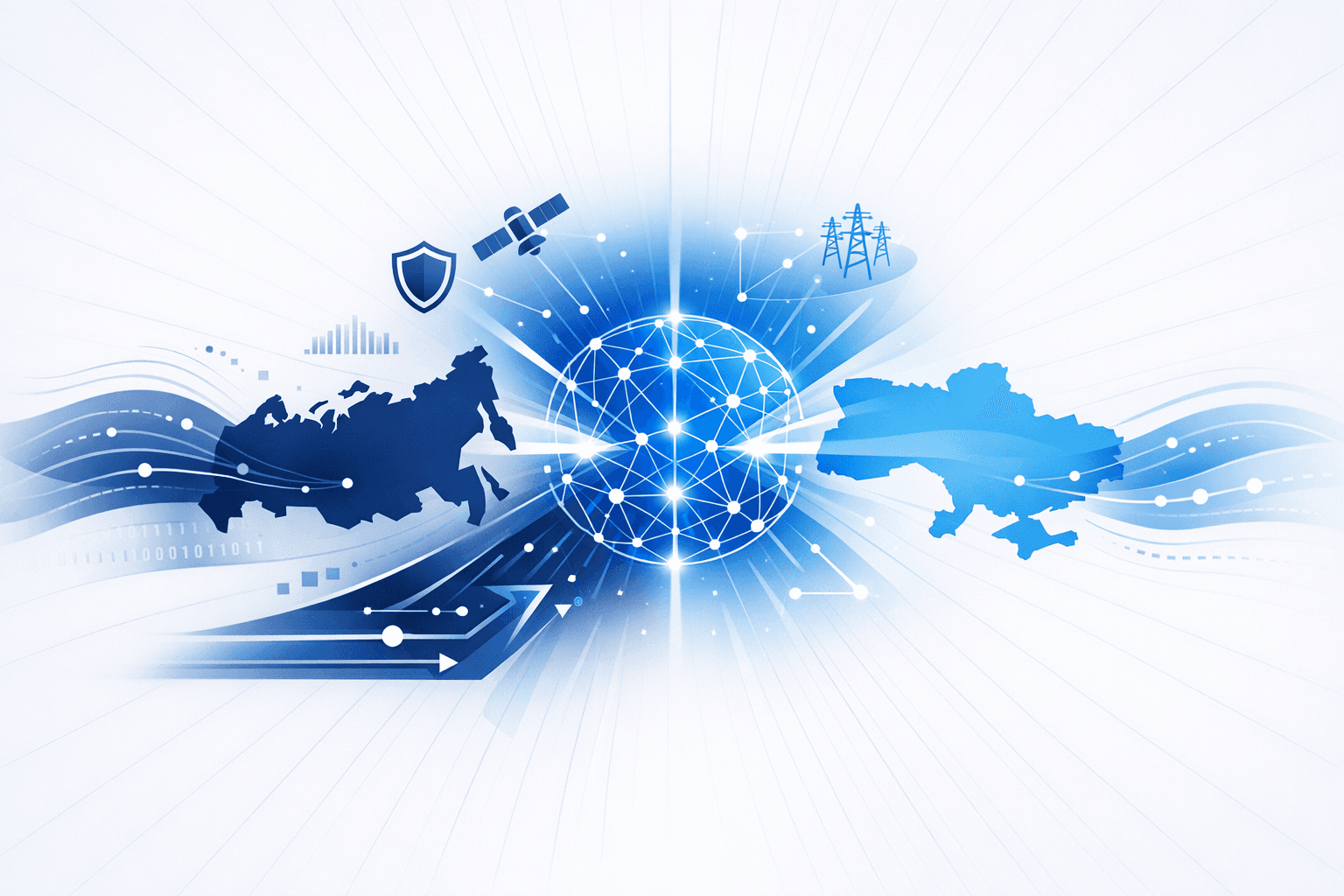
Russia has intensified its campaign against Ukraine's energy infrastructure, deploying advanced weaponry to target not only electricity generation but also natural gas production, with a focus on the most vulnerable regions. In response, Ukraine has launched strikes on Russian energy sites deep within Russian territory, forcing Moscow to curtail some energy exports and ration fuel internally. The ongoing attacks have placed significant strain on Ukraine's energy grid, which relies heavily on nuclear power plants, thermal power, and hydroelectric sources, while the Zaporizhzhia nuclear plant remains under Russian control and offline.
Concurrently, Russia has implemented new digital security measures, including 24-hour mobile internet blackouts for travelers returning from abroad, to prevent Ukrainian drones from exploiting domestic SIM cards for navigation. These restrictions have caused unexpected outages, particularly in border regions, and are part of a broader effort to expand the powers of the FSB to order shutdowns of mobile and internet access in response to perceived threats. Despite these measures, government-approved digital services remain accessible, and officials have indicated that some restrictions will persist around critical infrastructure until the end of the conflict.

Mallory correlates global threat intelligence with your attack surface — know if you’re exposed before adversaries strike.
4 events from the most recent confirmed update back to the earliest known activity.
Ukraine carried out long-range attacks against Russian energy facilities as part of the escalating energy war between the two countries. The strikes contributed to fuel shortages and export restrictions inside Russia.
In response to the renewed Russian strikes, Ukraine fortified parts of its power grid and invested in alternative generation and energy storage to reduce the impact of outages. These defensive and resilience measures were part of its effort to sustain electricity supply during continued attacks.
Russia renewed its seasonal campaign targeting Ukraine's energy infrastructure, using more advanced weapons and focusing on both electricity generation and natural gas production. The attacks hit critical infrastructure including thermal and other power facilities, worsening pressure on a grid already reduced to about half its prewar capacity.
Russian authorities imposed a 24-hour mobile internet blackout affecting travelers returning home, according to reporting on the measure. The restriction reflects a domestic communications control response linked to the broader wartime drone threat environment.
Vulnerabilities, threat actors, malware, products, organizations, and breaches Mallory has linked to this story.
2 references tracked. Mallory keeps watching after this page renders.
Map indicators from this story to your assets and identify affected systems in minutes.
Every observed campaign, victim, and pivot linked to actors named in this story.
Malware, exploits, and IOCs connected to the activity described here.
YARA, Sigma, and Snort rules deployed to your SIEM as soon as they’re published.
Get matching new stories delivered to your team as they break — not the next morning.
Ask questions about this story and take action on the answers.