Challenges and Risks of AI Integration in Cybersecurity
Emerging Technology Risk · 2 sources · Updated 4mo ago · First seen Nov 19, 2025
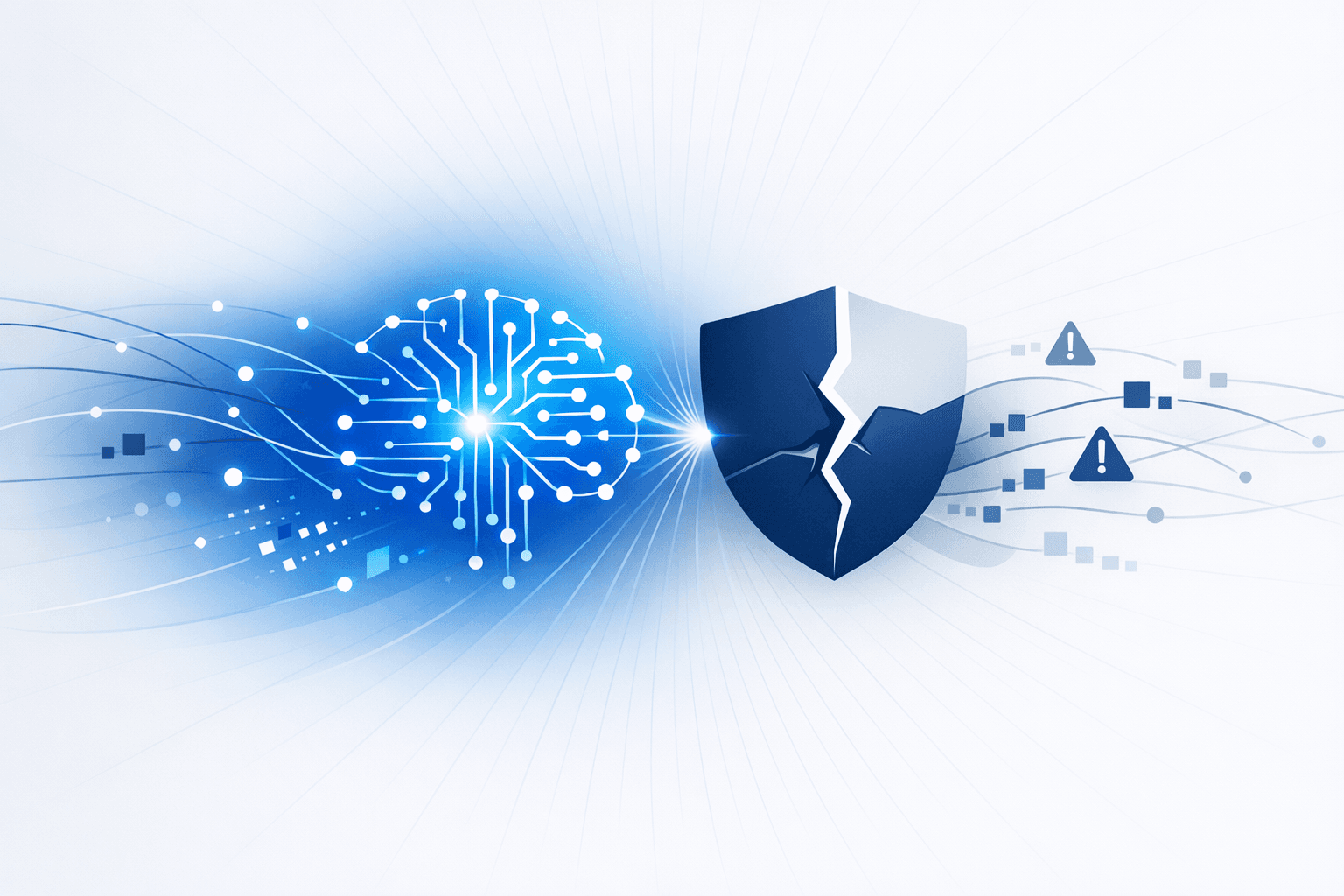
Security leaders are facing increasing pressure as artificial intelligence becomes more deeply integrated into both attack and defense strategies. The rapid adoption of AI in organizations is outpacing traditional security controls, with many security teams struggling to adapt risk models and processes to address the structural changes AI introduces. While vendors aggressively market AI-driven security solutions, there is growing skepticism about their effectiveness and concerns that these tools may generate excessive noise, such as false positives and alert fatigue, rather than providing actionable intelligence.
AI is not only being used by defenders but also by attackers to create novel threats and exploit vulnerabilities, including those introduced by flawed AI development tools and opaque third-party models. Security teams are challenged to distinguish between hype and genuine value, as current AI tools often lack the contextual understanding and creativity required to identify complex business logic flaws. The consensus among security professionals is that while AI offers potential, it cannot replace human expertise in critical areas of risk assessment and incident response, and organizations must evolve their approaches to manage the unique risks AI brings to the cybersecurity landscape.