
Russia's telecommunications regulator, Roskomnadzor, has blocked access to the Roblox online gaming platform, citing the platform's alleged failure to prevent the distribution of LGBT-related content, extremist materials, and facilitation of violent or illegal activities. The regulator claims that Roblox's moderation team was unable to adequately restrict such content, leading to the decision to restrict access. This move follows a pattern of increasing regulatory actions against foreign digital services in Russia, including previous bans on messaging apps like Viber and Signal for similar reasons.
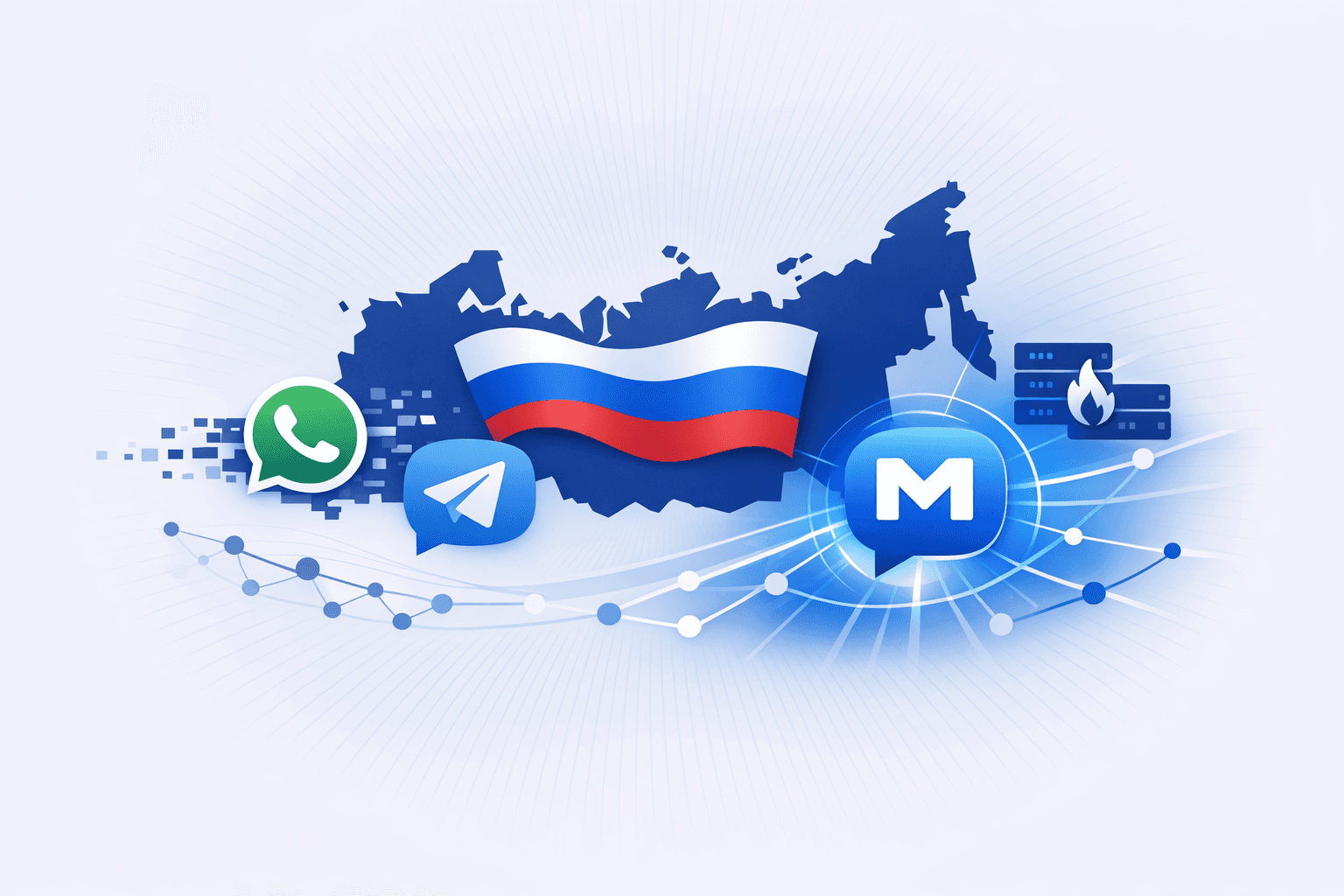
In parallel, Roskomnadzor has issued warnings and imposed tighter restrictions on WhatsApp, threatening a potential total ban due to the platform's alleged non-compliance with new information-sharing requirements related to terrorism and fraud investigations. Russian authorities accuse WhatsApp of being used to organize and facilitate terrorist activities and other crimes, and are encouraging users to transition to government-backed alternatives such as the MAX messaging app. These actions reflect Russia's broader efforts to control digital communications and limit the influence of foreign technology platforms within its borders.
Mallory correlates global threat intelligence with your attack surface — know if you’re exposed before adversaries strike.
5 events from the most recent confirmed update back to the earliest known activity.
Russia’s internet regulator Roskomnadzor reportedly added Bluesky to the national registry of banned websites, blocking access to the social media platform in the country. The move was reported by digital rights group RKS Global and fits Russia’s broader crackdown on foreign online platforms.
Roskomnadzor blocked the Roblox platform in Russia, claiming it failed to stop the spread of LGBT propaganda, extremist materials, and other harmful content aimed at children. The move extended Russia's broader campaign against foreign online platforms.
Russia previously banned messaging platforms including Viber and Signal, citing alleged violations tied to anti-extremism, terrorism, and national security laws. These earlier bans formed part of a broader pattern of restricting foreign digital platforms.
Russia's media watchdog Roskomnadzor imposed stricter restrictions on WhatsApp, alleging non-compliance with new information-sharing laws related to terrorism and fraud investigations. Russian authorities also warned that a full ban could follow, potentially to push users toward the state-backed MAX messaging app.
Russian authorities started banning VPN applications in multiple waves as part of broader internet controls and restrictions on access to foreign services. The reporting notes these bans have occurred repeatedly since 2020.
Vulnerabilities, threat actors, malware, products, organizations, and breaches Mallory has linked to this story.
3 references tracked. Mallory keeps watching after this page renders.
therecord.media
Open sourcebleepingcomputer.com
Open sourcescworld.com
Open sourceMap indicators from this story to your assets and identify affected systems in minutes.
Every observed campaign, victim, and pivot linked to actors named in this story.
Malware, exploits, and IOCs connected to the activity described here.
YARA, Sigma, and Snort rules deployed to your SIEM as soon as they’re published.
Get matching new stories delivered to your team as they break — not the next morning.
Ask questions about this story and take action on the answers.