UK Sanctions Russian and Chinese Entities for Information Warfare and Hybrid Threats
Regulatory & Policy · 2 sources · Updated 5mo ago · First seen Dec 10, 2025
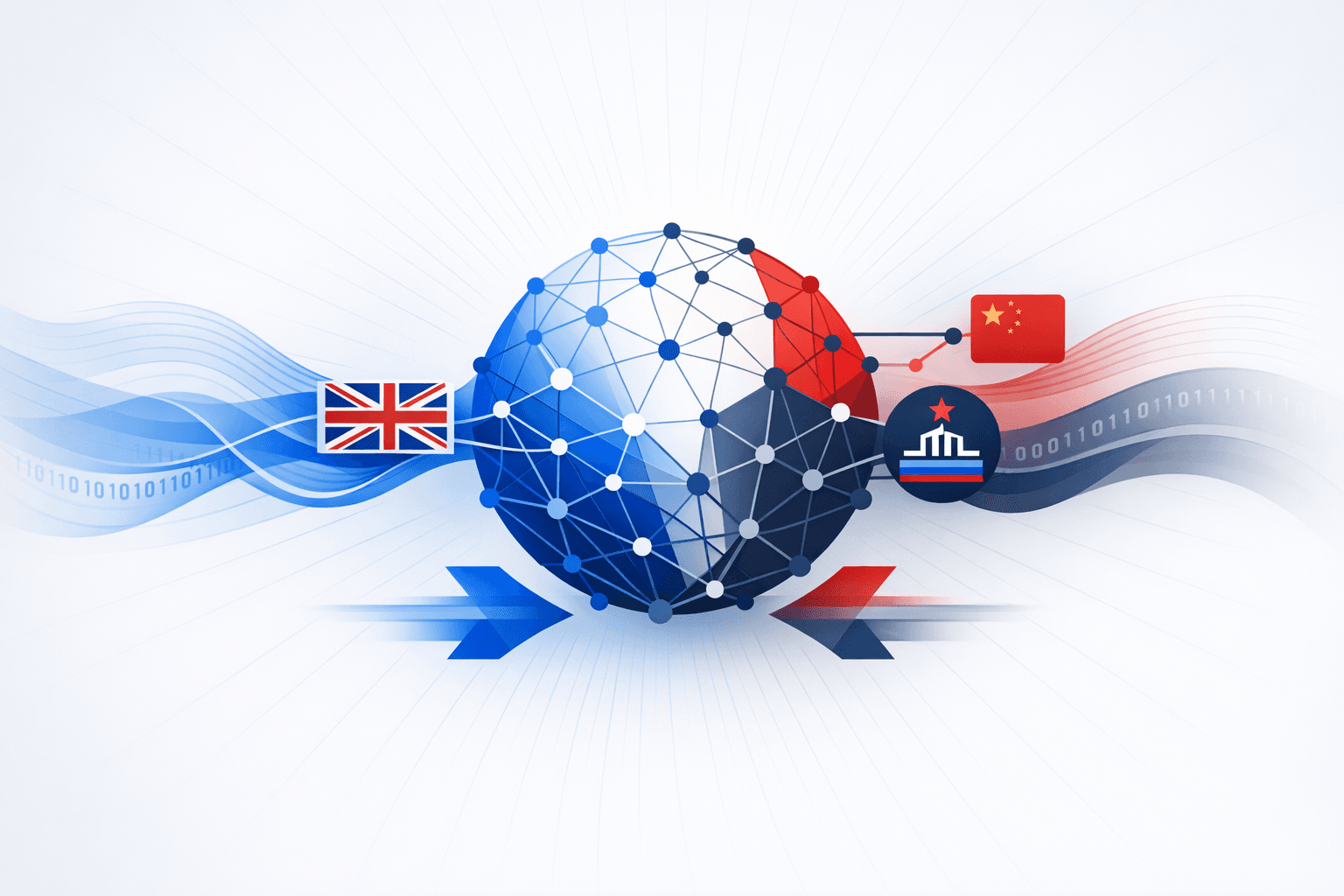
The United Kingdom has imposed new sanctions on several Russian and Chinese organizations and individuals accused of conducting cyberattacks and influence operations aimed at undermining Western democracies. Foreign Secretary Yvette Cooper announced these measures, which target Russian influence networks such as the Telegram channel Ryber, Pravfond, and the Centre for Geopolitical Expertise, as well as Chinese technology companies i-Soon and Integrity Technology Group. The sanctions are part of a broader effort to counter hybrid security threats, including disinformation campaigns and cyber operations, with the UK calling for enhanced multilateral cooperation across Europe to address these evolving challenges.
In a related address, Cooper emphasized the growing sophistication and democratization of tools used by hostile foreign states, particularly Russia, to conduct information warfare and hybrid attacks targeting critical infrastructure and democratic institutions. She highlighted recent examples of Russian disinformation campaigns, such as the Doppelgänger operation and attempts to undermine political stability in Moldova and Africa through fake news and deepfakes. The UK government is urging European partners to strengthen collaboration and resilience against these persistent and complex threats to national and regional security.
Why it matters
Impact assessment
The immediate impact is strategic rather than a newly disclosed software exposure: governments, critical infrastructure operators, media ecosystems, and democratic institutions across Europe and allied countries are the primary affected populations. The activity described includes cyber-enabled influence operations, botnet-supported espionage, and hybrid campaigns intended to erode trust, disrupt political stability, and weaken support for Ukraine.
The severity is high at the national-security and reputational level because these operations can shape public opinion, interfere with elections, and support broader hostile state objectives. The scope is multinational and persistent, with known activity attributed to Russian and Chinese entities and references to prior real-world incidents and sanctions, but the story does not provide a new victim list, malware family, or enterprise-specific exploitation details.
Supporting facts
- The UK sanctioned Russian and Chinese organizations and individuals for cyberattacks and influence operations.
- Sanctioned Russian-linked entities: Ryber Telegram channel, Mikhail Zvinchuk, Pravfond, Centre for Geopolitical Expertise.
- Sanctioned Chinese-linked entities: i-Soon, Integrity Technology Group.
- The UK stated these actors were involved in hybrid threats targeting the UK and allies.
- Reported target sets include critical infrastructure, democratic institutions, and public opinion across Europe and other regions.
- Russian influence activity cited in the reporting includes the Doppelgänger disinformation campaign, fake documents targeting Moldova’s PAS party, and fake news/deepfake activity in Africa.
- Integrity Technology Group was accused by the FBI of operating a botnet for cyber espionage.
- Several i-Soon employees and two Chinese Ministry of Public Security officers were previously charged by the US for computer intrusions against US and Asian targets.
- The UK action includes asset freezes and restrictions on access to the British financial system.
- The reporting notes known incidents in the wild tied to sanctioned actors or related state entities, including prior GRU-linked activity and ongoing Russian information operations.