Modern Security Challenges in AI-Driven and Hybrid Cloud Environments
Emerging Technology Risk · 3 sources · Updated 5mo ago · First seen Dec 31, 2025
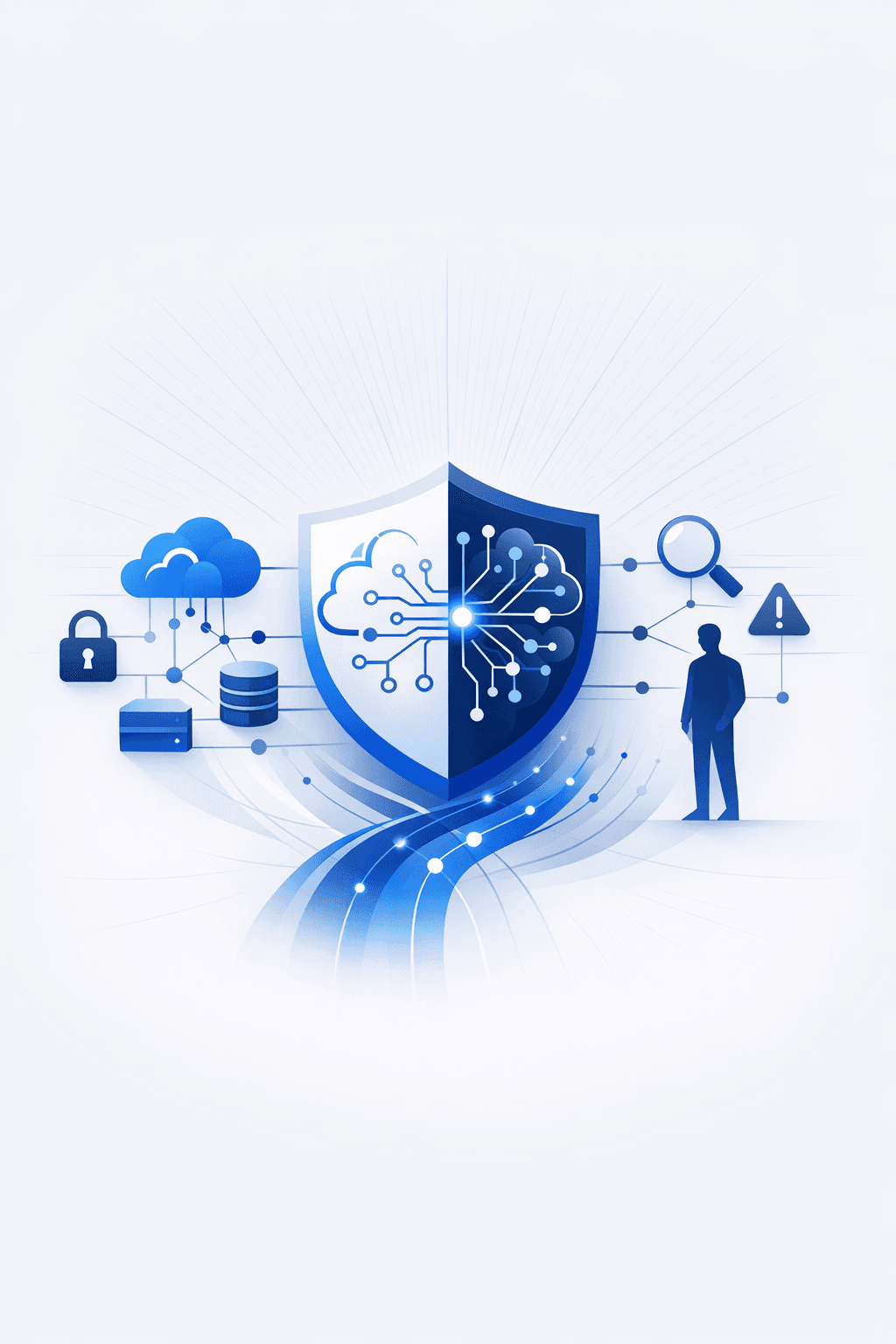
Organizations are increasingly integrating AI technologies and large language models (LLMs) into their DevSecOps pipelines, but this adoption can create a false sense of security. Relying solely on AI-driven automation for security checks and policy enforcement may lead to overlooked vulnerabilities, as true security requires ongoing human oversight, robust threat modeling, and a clear understanding of the limitations of automated tools. The rapid pace of automation, especially with LLMs, can outstrip the ability of teams to critically assess and manage risk, making it essential to maintain friction and scrutiny in security processes.
At the same time, the evolution toward hybrid cloud infrastructures and the proliferation of AI orchestration protocols like Model Context Protocol (MCP) introduce new attack surfaces and risks. Traditional security measures, such as standard TLS, are increasingly inadequate in the face of emerging threats like quantum computing, which could compromise encrypted AI data in the future. To address these challenges, organizations must adopt quantum-resistant encryption, modern threat modeling techniques, and a proactive approach to securing both cloud and on-premise environments, ensuring that security keeps pace with technological innovation.