
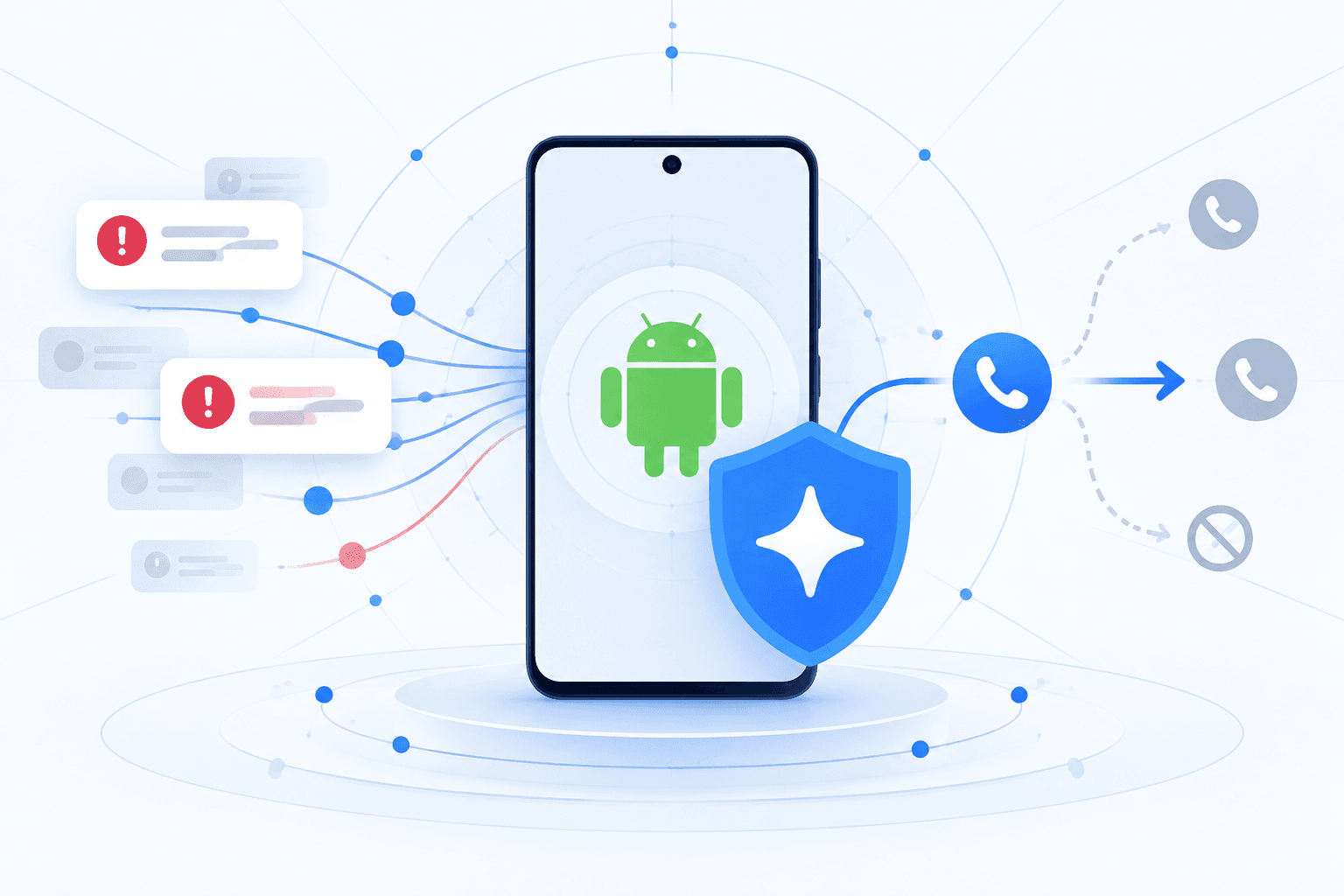
Google announced updated Android Theft Protection capabilities aimed at reducing account takeover and financial fraud risks following device theft, with availability starting on devices running Android 16+. The updates strengthen authentication safeguards by making screen lock guessing harder (longer lockout periods after repeated failed PIN/pattern/password attempts) and by improving controls around lock behavior after excessive failed authentications, including a dedicated settings toggle for Failed Authentication Lock.
Google also expanded Identity Check—which requires biometric authentication for sensitive actions when the device is outside trusted places—to cover a broader set of actions and apps that use the Android Biometric Prompt, including third-party banking apps and Google Password Manager. In parallel, Android’s Remote Lock capabilities were highlighted as part of the theft-response toolset, giving users more control to lock a lost or stolen device and limit further misuse.

Mallory correlates global threat intelligence with your attack surface — know if you’re exposed before adversaries strike.
5 events from the most recent confirmed update back to the earliest known activity.
Google said the new authentication safeguards are rolling out to Android 16+ devices, while enhanced Remote Lock recovery protections are being made available on Android 10+ devices. Multiple reports described the features as available now or rolling out following the announcement.
As part of the January 2026 update, Google said newly activated Android devices in Brazil will have Theft Detection Lock and Remote Lock enabled by default. The change uses on-device AI theft detection and reflects a regional hardening step for out-of-the-box protection.
Google announced a new set of Android theft-protection updates aimed at reducing device takeover, financial fraud, and data theft after phone theft. The update includes stronger screen-lock guessing defenses, broader Identity Check coverage, a dedicated Failed Authentication Lock toggle, and an optional ownership challenge for Remote Lock.
Google first introduced Android theft protection features, which later updates would build on. Subsequent reporting says these protections were first introduced in October 2024.
Google began beta testing key Android theft-protection features in Brazil, a high-risk market for phone theft, according to later reporting. The testing preceded a broader policy change to enable some protections by default on new devices in the country.
Vulnerabilities, threat actors, malware, products, organizations, and breaches Mallory has linked to this story.
10 references tracked. Mallory keeps watching after this page renders.
zdnet.com
Open sourcecybersecuritynews.com
Open sourcebleepingcomputer.com
Open sourcescworld.com
Open sourcesecurityonline.info
Open sourcezdnet.com
Open sourcesecurity.googleblog.com
Open sourceMap indicators from this story to your assets and identify affected systems in minutes.
Every observed campaign, victim, and pivot linked to actors named in this story.
Malware, exploits, and IOCs connected to the activity described here.
YARA, Sigma, and Snort rules deployed to your SIEM as soon as they’re published.
Get matching new stories delivered to your team as they break — not the next morning.
Ask questions about this story and take action on the answers.