
Loading story…
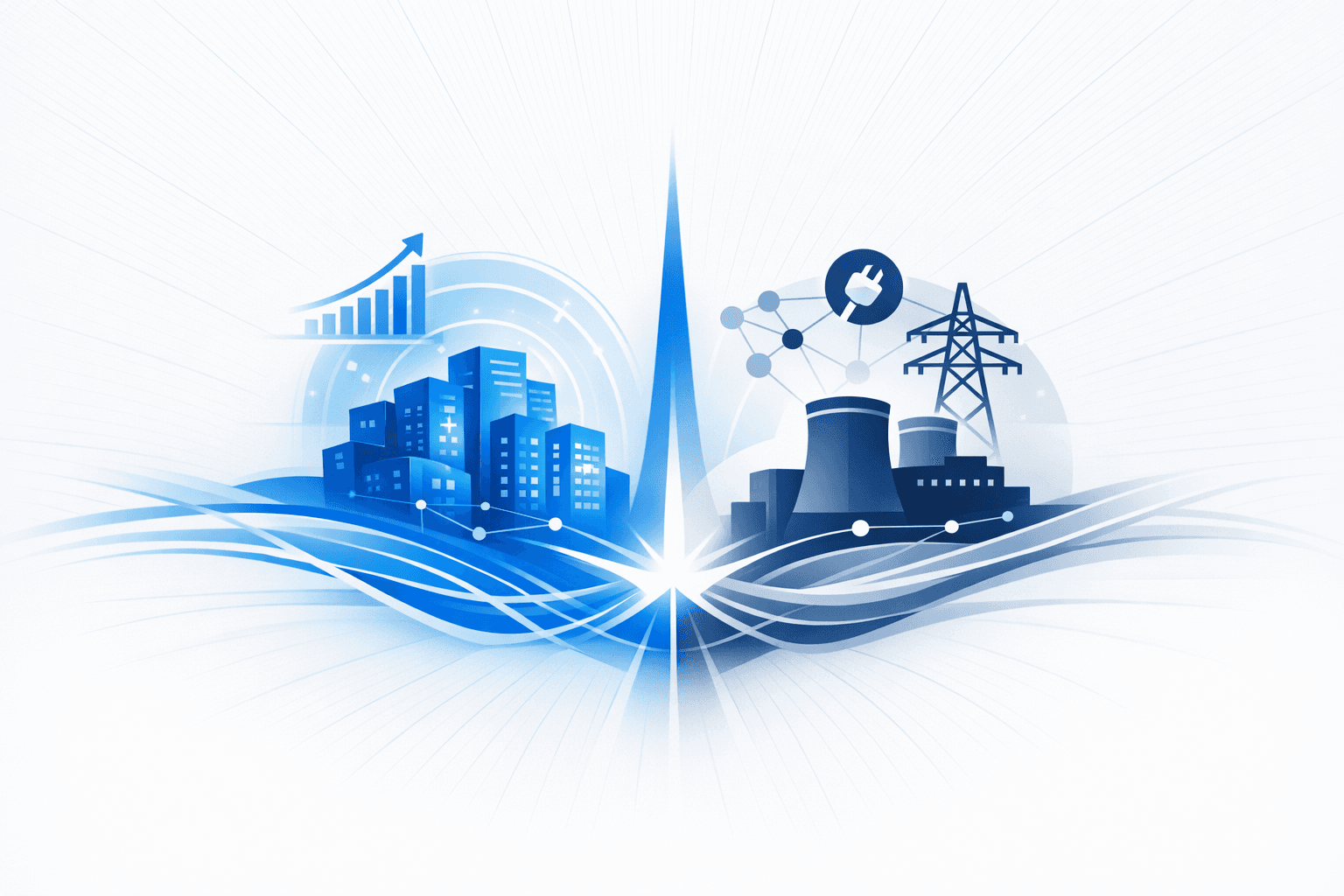
President Trump used the State of the Union to propose a “ratepayer protection pledge” aimed at curbing electricity price increases attributed to hyperscale AI data center growth, arguing the grid cannot sustain rapidly rising demand. The plan would require large technology companies to build, bring, or buy dedicated power supplies (including building their own power plants) for new AI data centers so that local ratepayers are less exposed to AI-driven load growth and associated cost increases.
In parallel, industry investment in AI infrastructure continues to accelerate: AMD and Meta announced a reported $100B multi-year partnership for up to 6 gigawatts of AI compute capacity using AMD’s Instinct GPU platforms (including MI450-based systems), EPYC CPUs, and ROCm, underscoring the scale of new deployments that intensify power and cooling requirements. Separately, commentary on AI’s societal impact highlighted how AI adoption is reshaping institutions (e.g., courts, academia, open source ecosystems) and amplifying “arms race” dynamics, but it did not address the specific US power-policy proposal or the AMD–Meta infrastructure deal.
Track how attackers are adapting to this technology.
6 events from the most recent confirmed update back to the earliest known activity.
Maine enacted a statewide moratorium on new data centers larger than 20 megawatts until November 2027 amid growing local opposition to large-scale projects. The measure followed mounting concerns about grid strain, noise, water use, and limited local benefits.
Sen. Bernie Sanders and Rep. Alexandria Ocasio-Cortez announced the Artificial Intelligence Data Center Moratorium Act, which would pause new AI-related data center construction until Congress adopts broader federal AI rules. The proposal would also halt AI chip exports until protections for workers, consumers, communities, privacy, and environmental standards are established.
The administration said major technology companies are expected to visit the president in early March to sign the proposed ratepayer protection pledge for AI data centers. The plan was framed as a way to balance AI competitiveness with limits on grid impacts and electricity price increases.
During a State of the Union address, President Trump proposed a 'ratepayer protection pledge' that would require companies building new AI data centers to build, bring, or buy their own power rather than rely on the public grid. The White House said the measure is intended to prevent AI-driven electricity demand from raising consumer power bills.
As part of the partnership announcement, AMD said the first gigawatt of compute capacity for Meta is expected to begin deployment in the second half of 2026. AMD also said Meta will be a lead customer for its sixth-generation EPYC 'Venice' CPUs and future 'Verano' processors.
AMD and Meta announced a major agreement for AMD to supply up to 6 gigawatts of Instinct-based AI computing capacity for Meta data centers using Helios rack-scale systems, custom MI450-based GPUs, EPYC CPUs, and ROCm software. Reporting cited in the coverage valued the deal at more than $100 billion and said Meta could receive up to 160 million AMD shares through performance-based warrants tied to shipment milestones.
Vulnerabilities, threat actors, malware, products, organizations, and breaches Mallory has linked to this story.
Follow how adversaries are adapting to this technology, and where it touches your stack today.
5 references tracked. Mallory keeps watching after this page renders.
pivot-to-ai.com
Open sourcelawfaremedia.org
Open sourcevtdigger.org
Open sourcetomshardware.com
Open sourcetomshardware.com
Open sourceMap indicators from this story to your assets and identify affected systems in minutes.
Every observed campaign, victim, and pivot linked to actors named in this story.
Malware, exploits, and IOCs connected to the activity described here.
YARA, Sigma, and Snort rules deployed to your SIEM as soon as they’re published.
Get matching new stories delivered to your team as they break — not the next morning.
Ask questions about this story and take action on the answers.
Other stories Mallory is tracking that overlap on entities, sources, or topic labels.
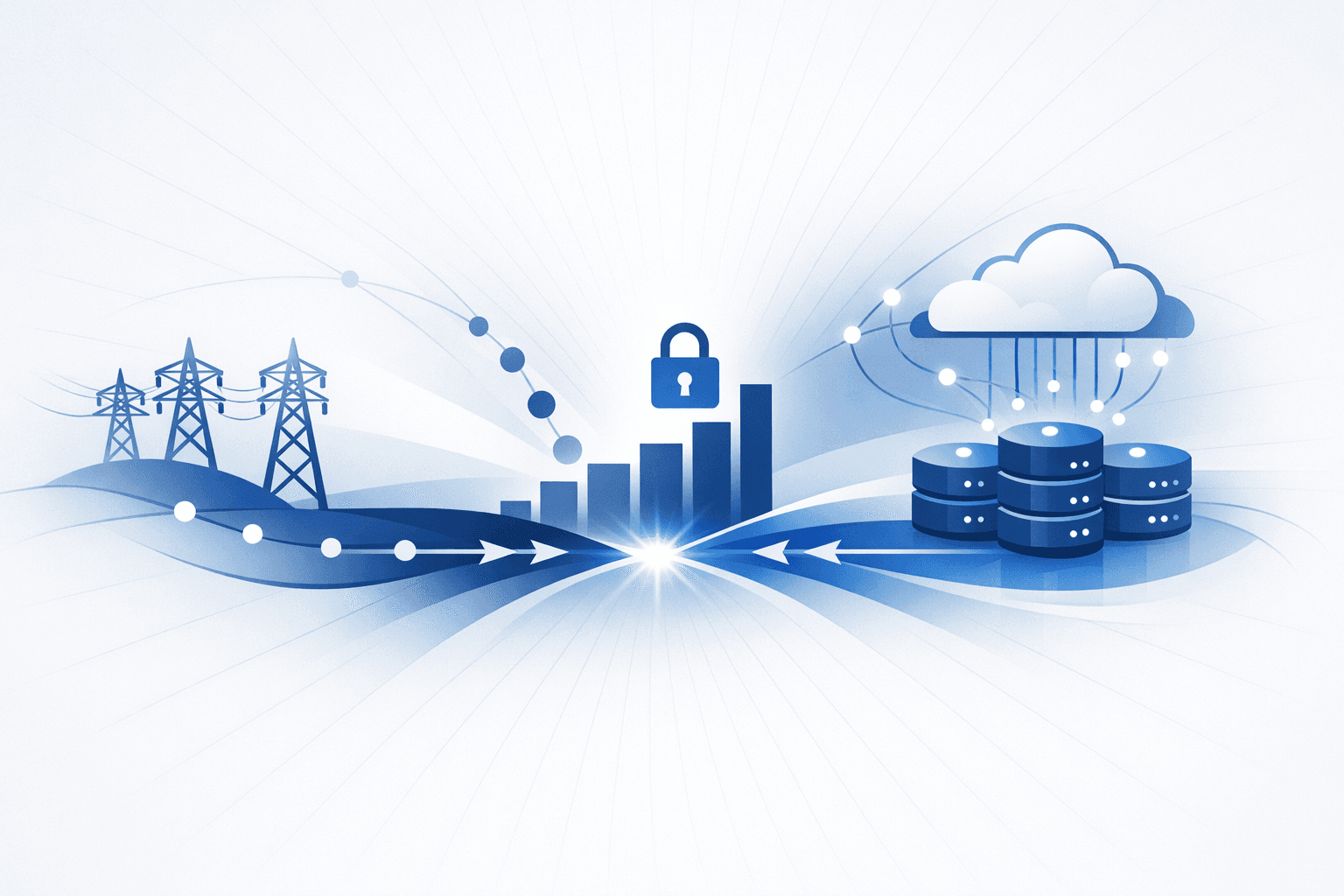
Google warned that **power-grid interconnection delays** are becoming the primary bottleneck to expanding data center capacity for surging AI workloads, with some US utilities reportedly quoting **4–10 years** for new data center connections and, in extreme cases, up to **12 years** even to review interconnection requests. The company framed the issue as a transmission and interconnection constraint that is increasingly limiting cloud capacity expansion as data center electricity demand accelerates. Microsoft, responding to community and regulatory concerns about **higher residential electricity rates** and local resource impacts tied to large AI data centers, said it will push for utility rate structures that ensure **data centers pay the full cost** of the electricity and required grid infrastructure upgrades needed to serve them. The company also highlighted efforts to reduce environmental externalities—targeting a **40% improvement in water-use intensity by 2030** and deploying a closed-loop cooling design (already used in Wisconsin and Georgia) intended to eliminate the need for potable water for cooling—underscoring that grid capacity, pricing, and resource constraints are becoming central operational risks for AI-scale infrastructure.
Jun 29, 2026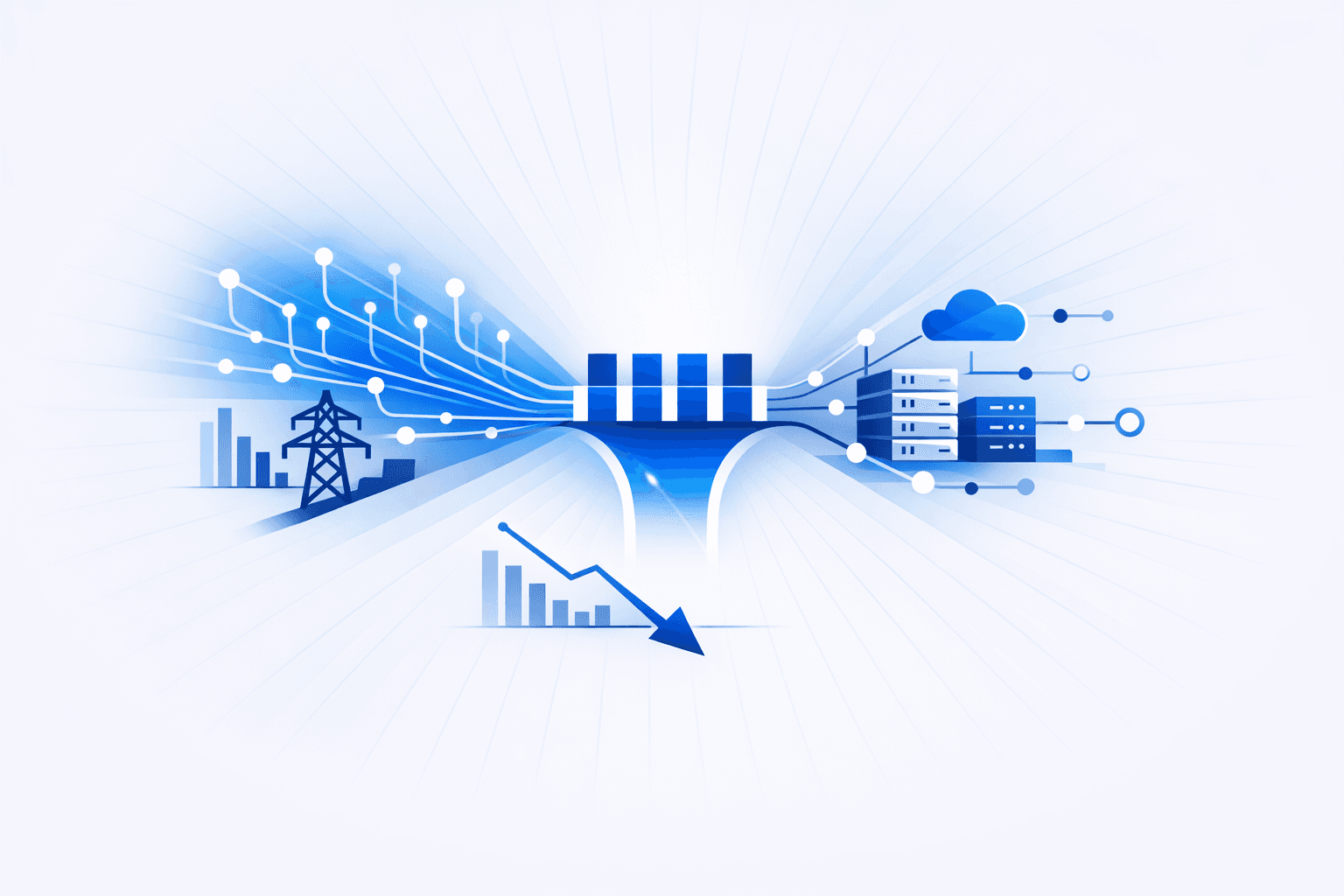
A growing **data center capacity crunch** is putting enterprise AI, cloud migration, and broader digital transformation roadmaps at risk as power-grid limitations, permitting, and construction constraints slow new builds. Reporting citing a Sightline Climate analysis says 2025 saw nearly **6 GW** of capacity deployed, but **26% of projects were delayed**; for 2026, roughly **16 GW** is slated to come online, yet only about **5 GW** is reportedly under construction so far, with projections that **30%–50%** of planned projects could slip due to power availability and related bottlenecks. Separately, OpenAI’s planned *Stargate* AI data center expansion with **Oracle** and **SoftBank** has reportedly been delayed by governance and control disputes among partners, complicating efforts to rapidly secure large-scale compute. The reporting indicates OpenAI initially sought to own the data centers outright to reduce long-term dependence on third-party cloud providers, but investor concerns about upfront capital requirements and projections that OpenAI could run out of cash by mid-2027 pushed it back into negotiations; the delays reportedly affect plans to secure up to **10 GW** of compute capacity over three years, alongside previously reported commitments including Oracle’s proposed facility targeting **~2 million chips** and OpenAI’s stated intent to purchase **$300B** in compute over five years.
Jun 29, 2026
Nvidia is preparing to resume shipments of its H200 data center GPUs to China following the U.S. government's decision to allow limited exports under strict licensing and a 25% tax. CEO Jensen Huang confirmed that demand for the H200 in China is extremely high, but actual deliveries are pending final regulatory approvals. The move comes amid ongoing U.S. export controls that have restricted Chinese access to advanced AI accelerators, prompting Nvidia to restart its supply chain and prepare for significant orders once licenses are finalized. As a result of these export restrictions, China's AI infrastructure market is rapidly consolidating around domestic champions such as Baidu and Huawei, who now control over 70% of the country's "GPU cloud" market using homegrown AI chips. This shift is supported by substantial investment in domestic silicon development and a strategic move by Chinese tech giants to vertically integrate hardware, software, and cloud services. Meanwhile, the global surge in AI data center construction is straining electricity grids, with companies like Meta and Microsoft exploring alternative power sources, including small modular nuclear reactors, to meet the growing energy demands of AI workloads.
Jun 29, 2026