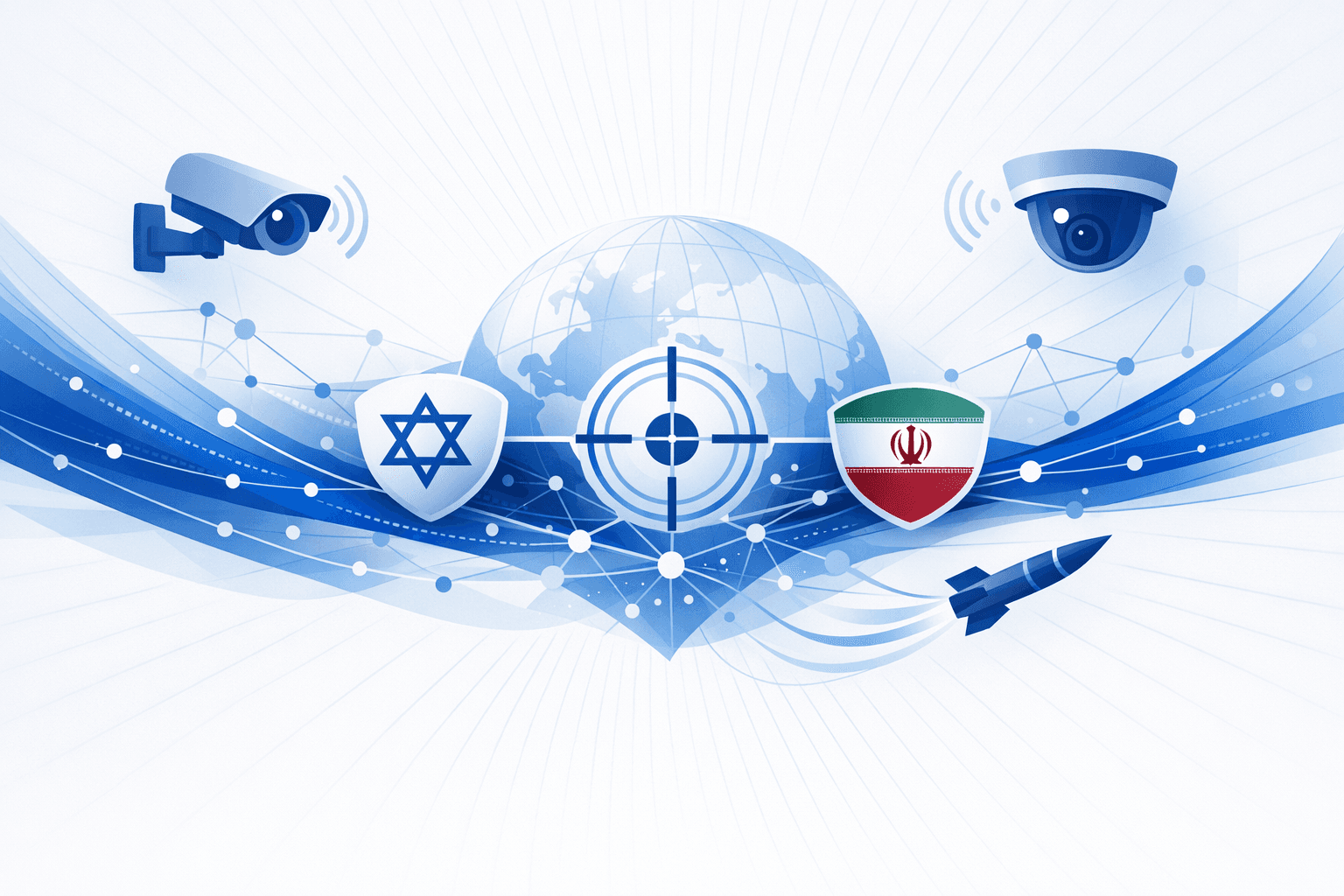
Reporting indicates state-linked operators are compromising or attempting to compromise internet-exposed traffic and security cameras to support real-world military and intelligence operations in the Israel–Iran conflict. Multiple outlets cited by Schneier on Security describe Israel hacking Iranian traffic cameras to help track movements and assist in the killing of Iranian leadership, with broader context reportedly covered by The New York Times on the overall intelligence operation.
Separately, Risky Business reports a spike in scanning and exploitation attempts against Hikvision and Dahua cameras across Israel and several Middle East countries (including Qatar, Bahrain, Kuwait, the UAE, and Cyprus), attributed to a group tied to the Iranian government. Check Point assessed the activity included attempts to exploit older, known vulnerabilities, and analysts believe the intent was to obtain street-level imagery for targeting support, battle-damage assessment, and propaganda; similar camera-focused activity was also noted during earlier periods of heightened tension and prior regional strikes, reinforcing camera compromise as an emerging, repeatable battlefield tactic.

Mallory correlates global threat intelligence with your attack surface — know if you’re exposed before adversaries strike.
5 events from the most recent confirmed update back to the earliest known activity.
By March 6–7, 2026, reporting based on newly released Check Point research described hundreds of blocked attempts to exploit five previously patched vulnerabilities in Hikvision and Dahua cameras across Israel and several Middle East countries. Check Point linked parts of the infrastructure to Iranian actors, including overlap with the Iran-aligned group Handala, and assessed the likely purpose as battlefield reconnaissance, targeting support, and battle-damage assessment.
Multiple outlets reported that Israel had accessed traffic cameras in Tehran as part of a broader intelligence operation tied to precision strikes against Iranian leadership. Some reporting described the camera access as helping build targeting intelligence used in assassinations or leadership strikes.
On March 1, 2026, Check Point identified additional concentrated targeting of internet-exposed cameras in parts of Lebanon. The activity was part of the broader Iran-linked campaign against camera infrastructure across Israel and neighboring states.
Check Point observed a notable surge in Iran-linked attempts to access exposed IP cameras beginning on February 28, 2026. The activity coincided with heightened regional military tensions and was assessed as supporting targeting, reconnaissance, or battle-damage assessment.
Check Point reported earlier waves of scanning and exploitation attempts against internet-exposed Hikvision and Dahua cameras on January 14–15, 2026, activity it linked to Iran-associated infrastructure. The campaign targeted Israel and other Middle East countries and appeared aimed at reconnaissance and military intelligence collection.
Vulnerabilities, threat actors, malware, products, organizations, and breaches Mallory has linked to this story.
7 references tracked. Mallory keeps watching after this page renders.
nozominetworks.com
Open sourcedarkreading.com
Open sourcearstechnica.com
Open sourcesecurityaffairs.com
Open sourcewired.com
Open sourcenews.risky.biz
Open sourceschneier.com
Open sourceMap indicators from this story to your assets and identify affected systems in minutes.
Every observed campaign, victim, and pivot linked to actors named in this story.
Malware, exploits, and IOCs connected to the activity described here.
YARA, Sigma, and Snort rules deployed to your SIEM as soon as they’re published.
Get matching new stories delivered to your team as they break — not the next morning.
Ask questions about this story and take action on the answers.