HHS OCR fines four healthcare entities over ransomware-linked HIPAA failures
Regulatory & Policy · 3 sources · Updated 5mo ago · First seen Apr 24, 2026
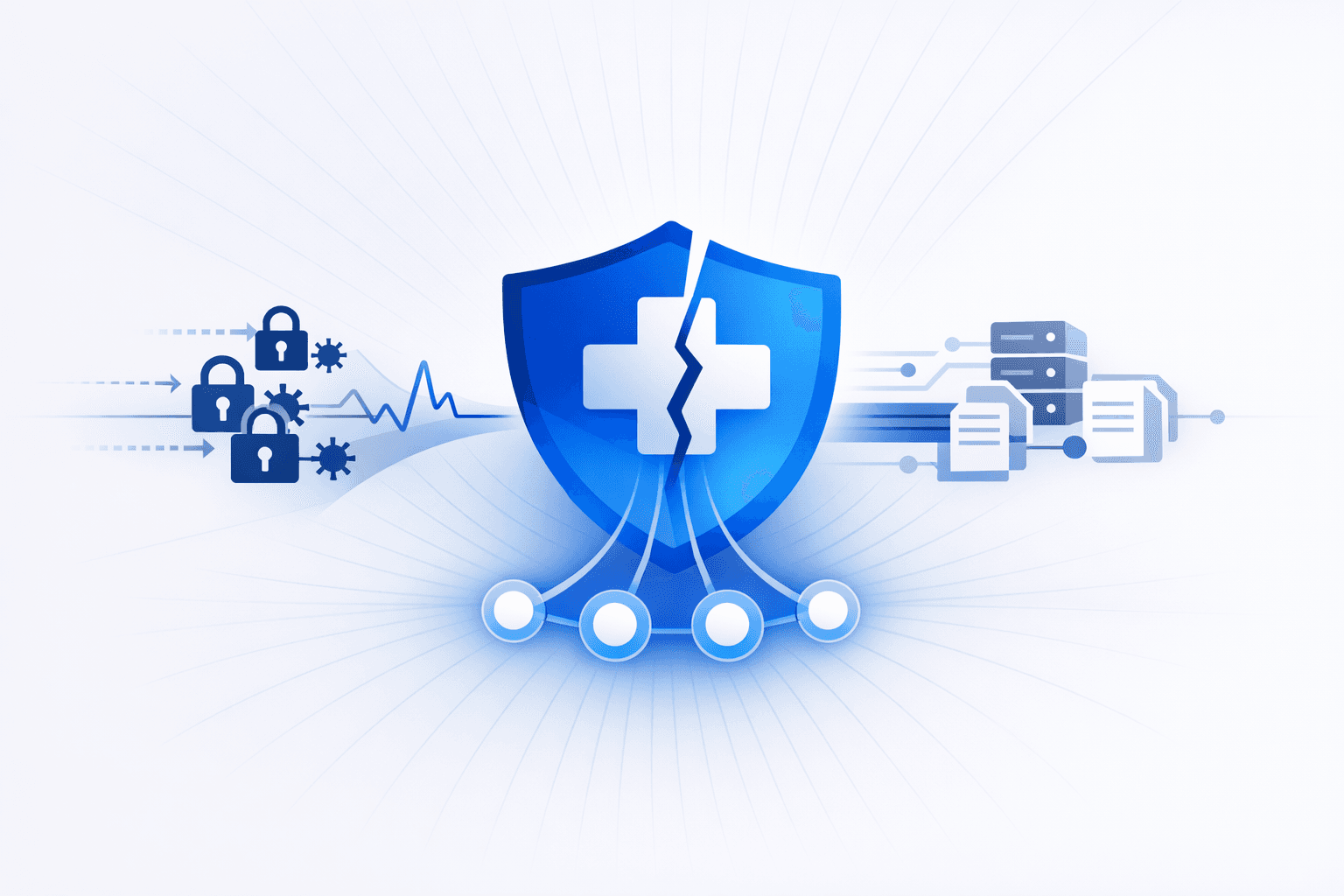
The U.S. Department of Health and Human Services Office for Civil Rights announced HIPAA enforcement settlements against Assured Imaging Affiliated Covered Entities, Axia Women’s Health, Star Group, L.P. Health Benefits Plan, and Consociate Health after ransomware-related breaches exposed the electronic protected health information of about 427,000 individuals. OCR said the cases shared the same core failure: deficient or nonexistent security risk analysis under the HIPAA Security Rule, and each organization agreed to a corrective action plan with two years of federal monitoring.
The settlements totaled about $1.7 million across the four cases, with reports also citing $1,165,000 in penalties as part of the enforcement actions. OCR said a HIPAA gap assessment is not a substitute for a formal risk analysis and warned that unresolved known risks can increase liability after a breach. Regulators and experts said covered entities should inventory all systems holding ePHI, assess threats and vulnerabilities, assign and track risk remediation, and strengthen controls such as access management, audit logging, encryption, incident response planning, and workforce training.
Why it matters
Impact assessment
HHS OCR enforcement confirms that ransomware-related breaches in healthcare continue to create both security and regulatory exposure, with about 427,000 individuals' ePHI affected across four cases. The directly affected population includes healthcare providers, health benefit plans, and business associates handling ePHI; impact includes patient privacy loss, breach notification costs, federal oversight, and financial penalties totaling between $1.165 million in cited penalties and about $1.7 million in reported settlements.
Key business impact
- Affected entities: Assured Imaging Affiliated Covered Entities, Axia Women’s Health, Star Group, L.P. Health Benefits Plan, and Consociate Health.
- Affected sectors: healthcare delivery, employee health benefits administration, and third-party benefit administration.
- Data exposed included highly sensitive ePHI and PII: names, addresses, dates of birth, Social Security numbers, driver’s license numbers, diagnoses, lab results, medications, treatment information, claims data, benefit selections, and in one case financial account data.
- Severity is high for regulated healthcare organizations because consequences extend beyond the ransomware event to HIPAA enforcement, corrective action plans, and two years of federal monitoring.
- Scope is not a single vendor-wide software flaw; it is a sector-wide governance and control failure pattern centered on inadequate security risk analysis and risk management.
- Known incidents of exploitation in the wild: yes. The story describes completed ransomware intrusions and data theft, including PYSA activity against Assured Imaging and a phishing-led compromise at Consociate Health.
Entity-specific facts
- Assured Imaging: ransomware discovered May 19, 2020; 244,813 individuals affected; $375,000 penalty; OCR found no evidence of any completed risk analysis and cited delayed breach notification.
- Axia Women’s Health: ransomware-related breach reported December 2020; 37,989 individuals affected; $320,000 penalty.
- SG Health Plan: ransomware attack reported October 2021; 9,316 plan members affected; $245,000 penalty.
- Consociate Health: ransomware discovered January 14, 2021; 136,539 individuals affected; $225,000 penalty; compromise reportedly began about six months earlier via phishing.
Analyst note
This story is primarily a compliance and exposure signal rather than a new software vulnerability. It indicates that healthcare organizations with weak or undocumented risk analysis processes remain likely targets for both ransomware operators and subsequent regulatory action.