
Loading story…
Fraudsters are using physical mail to target both website owners and households with scams designed to trigger payments or harvest personal information. One campaign sends official-looking "Domain Name Services" letters to domain registrants, using public WHOIS data and urgent renewal language to pressure recipients into transferring domains to another registrar at prices reportedly more than ten times normal renewal fees. The notices may conceal disclaimers such as "not a bill" or "non-invoice" in fine print, and victims are urged to verify renewal status directly with their legitimate registrar and avoid paying unsolicited mailers.
A separate mail-based scheme involves unsolicited USPS packages, including reports of empty parcels allegedly sent by "Davve Garzaz" from Valley Stream, New York, with cardboard inserted to simulate contents and a QR code enclosed. The scam matches a broader brushing pattern in which criminals send unordered items so they can post fake reviews under a recipient’s identity, while QR codes may redirect victims to phishing pages or fraudulent surveys that collect sensitive data. USPS has reportedly received similar complaints nationwide, and recipients are advised not to pay for unsolicited goods, avoid scanning included QR codes, monitor accounts, change passwords if exposed, and report suspicious shipments or fraudulent marketplace activity.

Get the infrastructure and lures behind it.
2 events from the most recent confirmed update back to the earliest known activity.
Online Threat Alerts reported an apparent brushing scam involving an unsolicited USPS package allegedly sent by 'Davve Garzaz' from Valley Stream, New York, containing only cardboard and a QR code. The report noted USPS said this type of scam has been reported nationwide and warned that QR codes in such packages may lead to phishing or fake survey sites.
Online Threat Alerts published a warning about deceptive postal letters sent to website owners that impersonate domain renewal notices. The scam pressures recipients to transfer domains to another registrar at highly inflated prices, reportedly using public WHOIS data and fine-print disclaimers such as 'not a bill' or 'non-invoice'.
Vulnerabilities, threat actors, malware, products, organizations, breaches, and observables Mallory has linked to this story. Indicator values are masked here and available in full in the app.
Indicator values are masked on this page. See the values in Mallory Domains, IPs, hashes, and URLs are exportable to your SIEM.
Get the infrastructure, lures, and IOCs behind this campaign, ready to push into your email and identity stack.
2 references tracked. Mallory keeps watching after this page renders.
Map indicators from this story to your assets and identify affected systems in minutes.
Every observed campaign, victim, and pivot linked to actors named in this story.
Malware, exploits, and IOCs connected to the activity described here.
YARA, Sigma, and Snort rules deployed to your SIEM as soon as they’re published.
Get matching new stories delivered to your team as they break — not the next morning.
Ask questions about this story and take action on the answers.
Other stories Mallory is tracking that overlap on entities, sources, or topic labels.
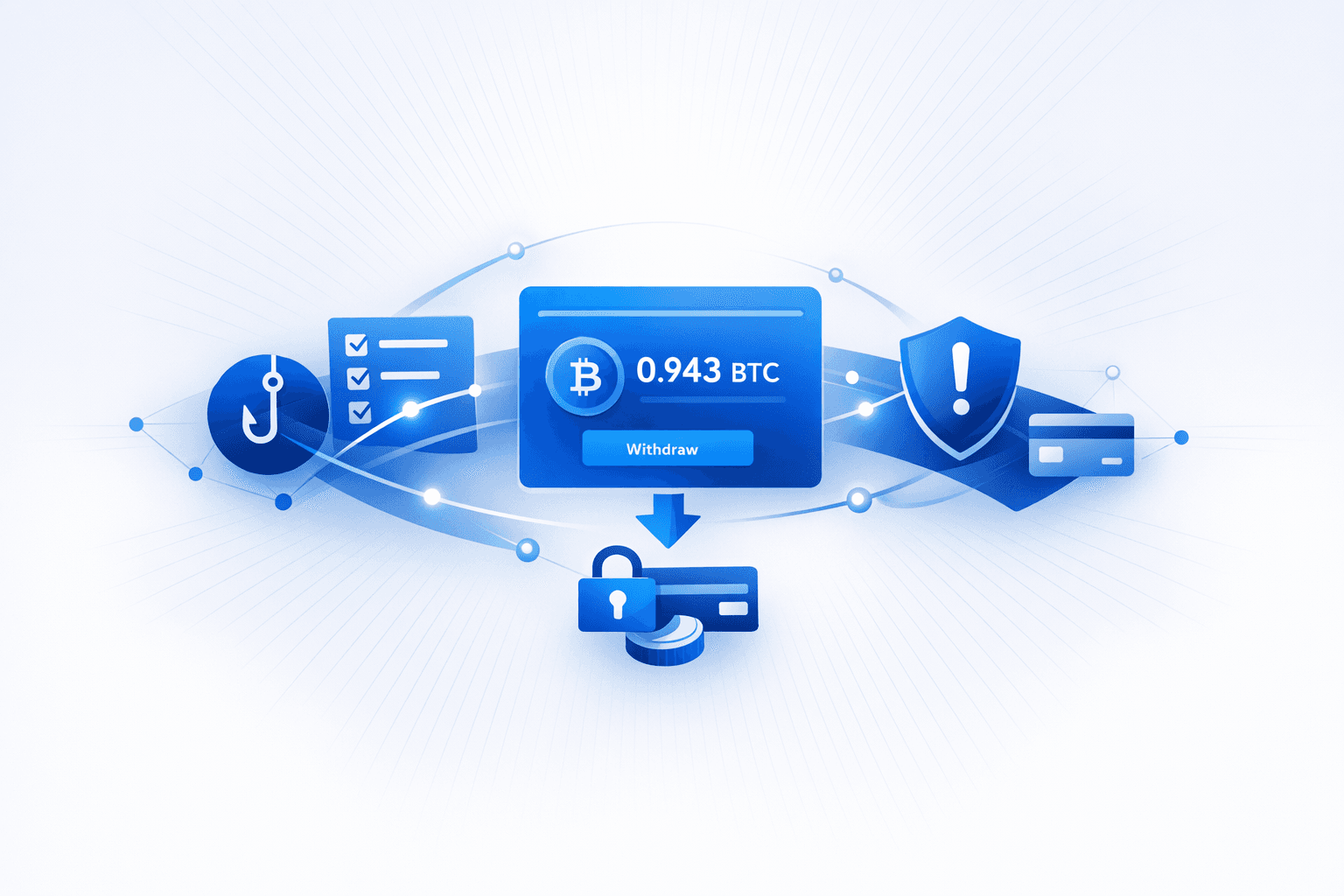
Multiple reports describe **social-engineering scams** that impersonate trusted brands and payment providers to drive victims into credential theft or direct monetary loss. A “crypto compensation” lure abuses a legitimate-looking *Yandex* poll as an entry point, then redirects victims to a fake Bitcoin payout page claiming an approved `0.943 BTC` transaction and imposes a small “commission”/fee to withdraw funds—classic advance-fee fraud wrapped in a polished, multi-step funnel (including a fake chat “support agent”). Separately, Japanese-language phishing emails impersonating **ANA**, **DHL**, and **myTOKYOGAS** show consistent infrastructure patterns (notably `.cn` domains in sender and landing-page URLs), suggesting a single operator or shared kit targeting Japanese-speaking recipients. Several consumer scam advisories highlight **SMS-based fraud alerts** that push targets to call attacker-controlled phone numbers, where scammers pose as “support” to steal **Apple ID/2FA codes** or payment details, or to coerce victims into moving money. One PayPal-themed case escalated to cash withdrawals handed to a courier after a victim called a number from an unsolicited text, illustrating how “fraud department” pretexts can transition from phishing to **cash-out theft**. Additional warnings cover lookalike payment sites (e.g., `payyourbill.aps medical.com`) and generic guidance on what to do after clicking a phishing link; these are broadly consistent with the same theme (phishing/payment fraud) but are not tied to a single, specific campaign or actor across all items.
Jul 2, 2026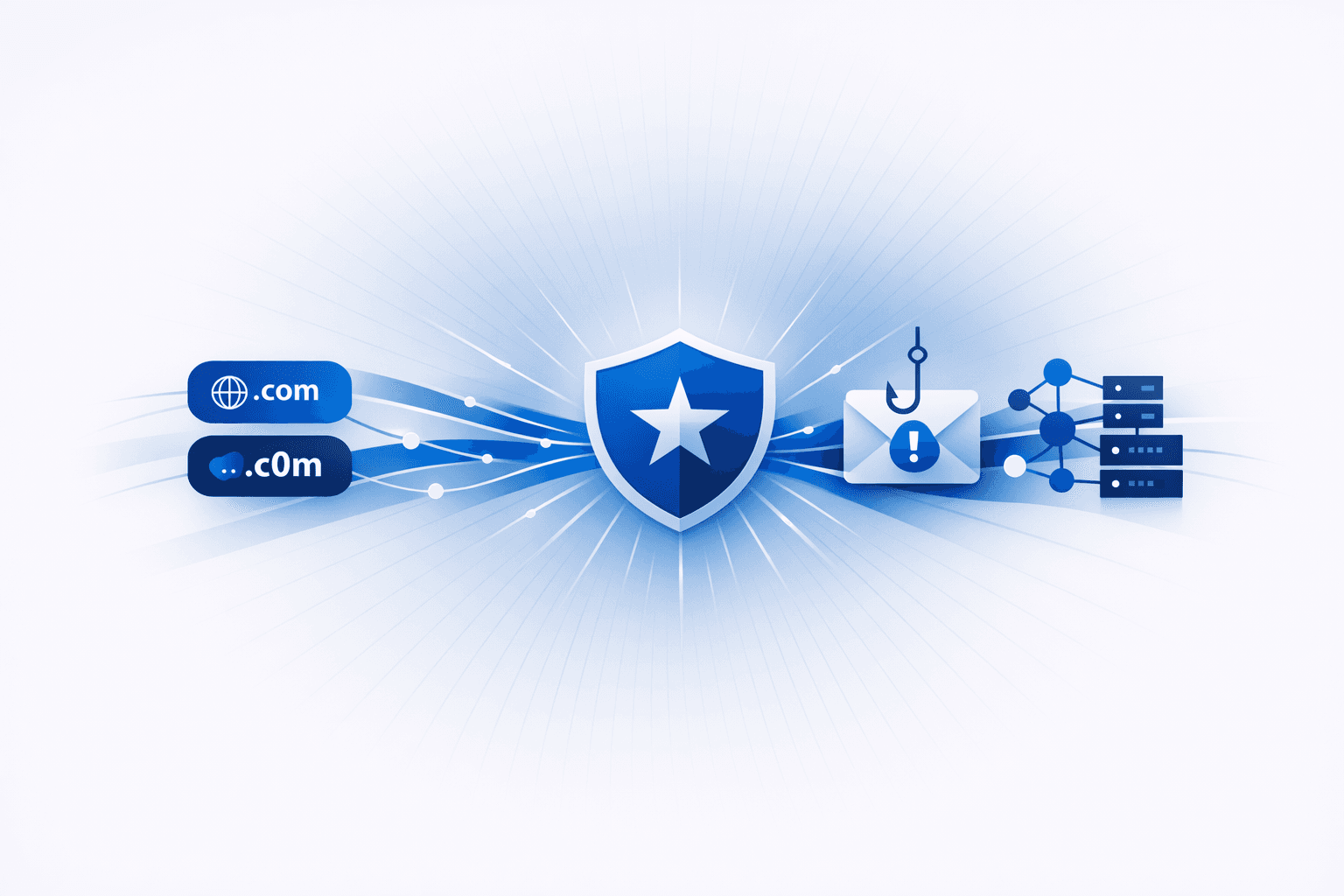
A senior **U.S. Secret Service** official warned that weaknesses in the internet’s domain registration and governance model are being actively exploited to scale phishing and fraud, citing the ease with which attackers can register deceptive, brand-imitating domains and then force defenders into reactive, court-driven takedowns. The official argued that insufficient identity validation in domain registration and abuse concentration in certain networks (e.g., via **ASNs**) represent systemic gaps that enable business email compromise and link-based phishing campaigns across SMS and email. Threat intelligence reporting on Canada-linked fraud activity illustrates how these domain-registration weaknesses translate into operational campaigns: attackers are using lookalike domains, SMS lures, and paid ads to drive victims to convincing fake portals impersonating **PayBC, ServiceOntario, Canada Post, CRA, and Air Canada** to steal credentials and payment data. CloudSEK attributed much of the activity to the **“PayTool” phishing ecosystem**, describing reusable phishing kits and shared infrastructure that can be rapidly rebranded and expanded from provincial payment portals into broader “Government of Canada” themed entry points. Separate coverage of Anguilla’s `.ai` domain boom is primarily economic/industry-focused and does not provide substantive security reporting tied to the phishing and domain-abuse problem described above.
Jun 29, 2026
Multiple consumer-facing fraud campaigns are circulating that use **fake online stores**, **impersonation**, and **social-media marketplace deception** to steal money and potentially harvest personal/financial data. One campaign uses “**That’s my shit**” as a recurring phrase/branding for fraudulent storefronts that copy legitimate creators’ images and videos to sell counterfeit or non-existent merchandise; victims report non-delivery, low-quality goods, or exposure of personal and payment information during checkout. Separately, a phishing-style email scam impersonates **Kroll** by referencing class-action settlements and crypto/FTX themes to entice recipients to engage; the message appears to be sent via a legitimate email-sending infrastructure (notably a Shopify-associated domain with passing SPF/DKIM/DMARC), illustrating how attackers can abuse reputable platforms/domains to increase credibility. Another active scam targets would-be pet buyers through fake “**Cats of Albany**” Facebook groups/ads, pushing victims to pay deposits via **PayPal Friends and Family** (no buyer protection) for kittens that do not exist, then escalating fees (shipping/insurance/crates) before disappearing.
Jun 29, 2026