US Cyber Operations Disrupted Election Interference as Federal Defenses Were Cut
Sector Threat Intelligence · 11 sources · Updated 5mo ago · First seen May 25, 2026

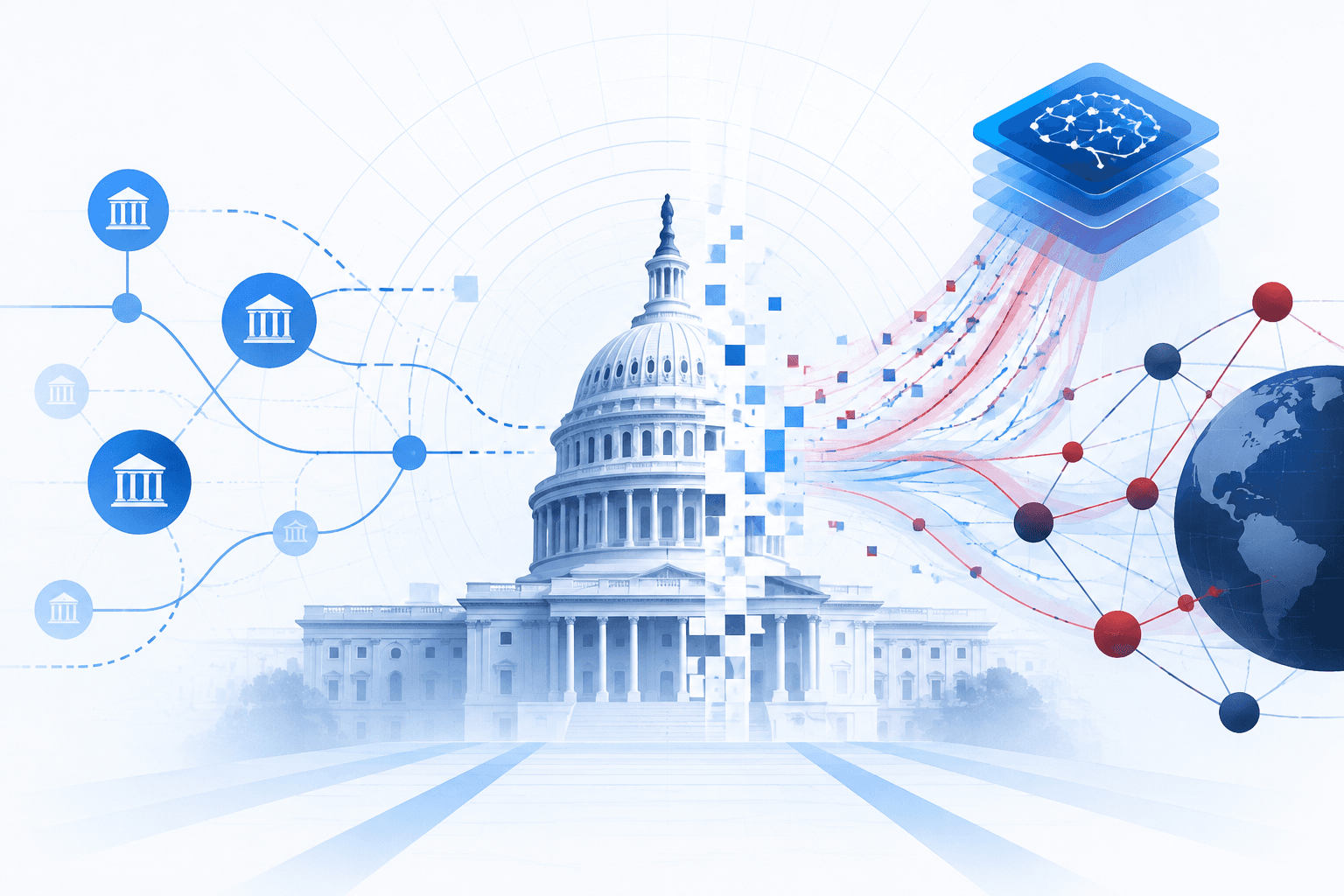
US Cyber Command and the NSA have repeatedly used covert cyber operations to blunt foreign election interference, including ejecting Iranian hackers from a municipal website used to post unofficial 2020 results before false information could be spread and disrupting Russian influence operators targeting voters ahead of the 2024 election. Officials said the 2020 intrusion did not affect voting, ballot tabulation, or certified results, and described the broader mission as a joint effort with CISA, the FBI, DHS, and other agencies to counter cyberattacks, troll farms, fake websites, and AI-enabled propaganda tied to Russia, Iran, China, North Korea, and non-state actors.
At the same time, the US government has reduced parts of the election security apparatus built after 2016. Reporting says the Trump administration put CISA election security staff who worked with states on leave and dismantled or downsized programs across ODNI, the FBI, the State Department, and CISA that tracked and exposed foreign influence campaigns. Current and former officials warned that the cuts weaken coordination with state and local election officials, reduce visibility into ongoing threats, and leave the country less prepared for future elections even as harassment of election workers and concern over the safety of cyber personnel have pushed agencies to keep some leadership roles out of public view.
Why it matters
Impact assessment
US election-related organizations, state and local election offices, and the broader voting public are affected by ongoing foreign cyber-enabled influence operations and by the reported reduction of federal election security support. The direct operational impact described here is less about vote manipulation and more about loss of visibility, weaker coordination, and increased risk that website compromises, fake content, and propaganda campaigns could undermine public trust during future elections.
The current exposure appears persistent and targeted rather than indiscriminate: Russia, Iran, and China are repeatedly cited as active actors, with operations aimed at U.S. voters, election infrastructure, and public perception. Known incidents include an Iranian intrusion into a municipal website used for unofficial 2020 election results, a later breach of an Arizona state election website by pro-Iranian hackers, and Russian influence activity targeting voters in six swing states ahead of the 2024 election.
Supporting facts
- Affected entities:
- State and local election offices
- Municipal and state election-result websites
- Federal agencies supporting election defense: CISA, FBI, DHS, ODNI, NSA, U.S. Cyber Command, State Department
- U.S. voter populations, especially in six swing states cited in the reporting
- Severity:
- Primary risk is reputational and societal: erosion of confidence in election legitimacy through fake websites, propaganda, AI-generated media, and website defacement
- Secondary operational risk is disruption of election security coordination and reduced intelligence sharing with local officials
- No evidence in the cited incidents that voting, ballot tabulation, voter data integrity, or certified results were altered
- Scope:
- National strategic issue with repeated foreign targeting over multiple election cycles
- Specific campaigns were targeted at U.S. elections and selected voter populations rather than broad opportunistic cybercrime
- Exploitation and incidents in the wild:
- Iranian hackers accessed a municipal website used to post unofficial 2020 election results
- Pro-Iranian hackers reportedly breached an Arizona state election website and replaced candidate photos with an image of Ayatollah Ali Khamenei
- Russian influence operators reportedly used at least 200 fake websites since March to target audiences in the U.S., France, and elsewhere
- U.S. officials reportedly conducted cyber operations to disrupt at least two Russian companies involved in covert influence activity before the 2024 election