Mallory
← Back to News
phishing-campaign-intelligencerapid-weaponizationendpoint-software-vulnerabilitycredential-stealer-activity

Dridex Campaign Exploited Microsoft Word Zero-Day to Infect Millions

Social Engineering & Fraud · 3 sources · Updated 5mo ago · First seen May 25, 2026
Dridex Campaign Exploited Microsoft Word Zero-Day to Infect Millions

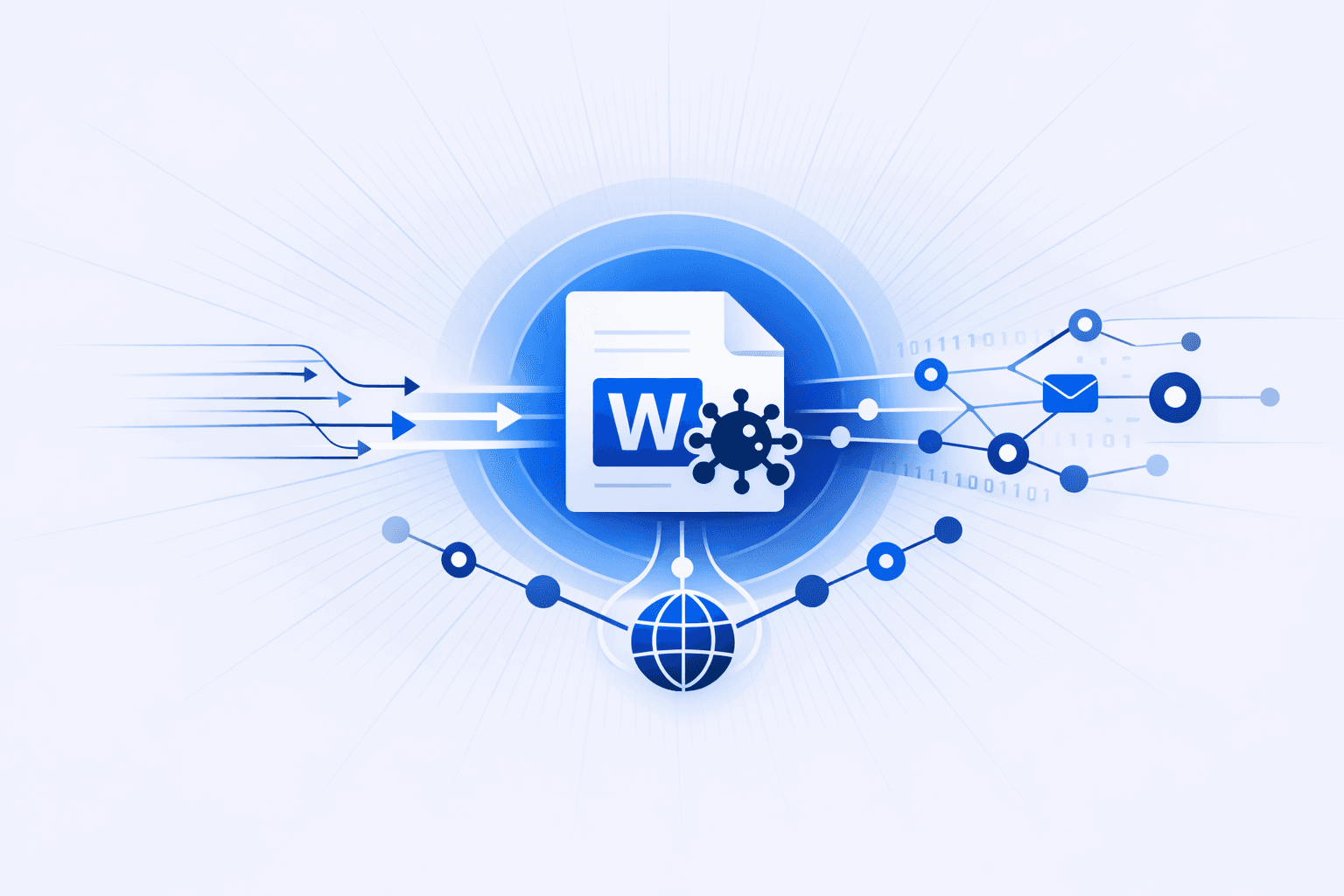
A large email campaign used malicious Microsoft Word RTF attachments to exploit CVE-2017-0199 and install the Dridex banking trojan on vulnerable systems. Researchers said the operation targeted millions of recipients across numerous organizations, primarily in Australia, using lures such as "Scan Data" and spoofed sender formats to make booby-trapped documents appear legitimate. Proofpoint identified the activity as a notable shift for Dridex operators, who had more commonly relied on macro-enabled documents, while McAfee, FireEye, and Ars Technica reported that the exploit worked broadly across Windows versions of Word and could bypass common exploit mitigations.

The attack was especially dangerous because it did not require macros and could execute even when Word presented warning dialogs; in many Protected View cases, users only needed to click Enable Editing for the infection chain to proceed. Successful exploitation reportedly installed Dridex botnet ID 7500, and Microsoft issued a patch for the flaw on April 11 after researchers warned that the zero-day had already been rapidly weaponized in the wild. Separately, Microsoft has also disclosed CVE-2026-35440, an Important Microsoft Word information disclosure flaw that requires user interaction and is assessed as less likely to be exploited, but it was not reported as publicly exploited.

Is your org in this campaign?Get the infrastructure and lures behind it.
Hunt this campaign
Event timeline

How this story unfolded

Events from the most recent confirmed update back to the earliest known activity.

5 events · Jan 1, 2017 – May 12, 2026
  1. May 12, 20267mo ago

    Microsoft discloses CVE-2026-35440 for Word

    Microsoft published advisory details for CVE-2026-35440, an Important Microsoft Word information disclosure vulnerability with a CVSS score of 5.5. The company said exploitation required user interaction, the Preview Pane was not an attack vector, the issue was not publicly disclosed or exploited, and a fix was available.

  2. Apr 11, 201710y ago

    Microsoft releases patch for CVE-2017-0199

    Microsoft released a security update for CVE-2017-0199 on April 11, 2017, after the flaw was weaponized in active Dridex spam campaigns. Researchers urged immediate patching because of the exploit's broad effectiveness across Word and Windows versions.

  3. Apr 11, 201710y ago

    Researchers publicly report Dridex use of CVE-2017-0199

    Proofpoint, along with other security firms including McAfee and FireEye, disclosed technical details of the campaign and said it marked the first Dridex activity they had observed using the newly disclosed Microsoft zero-day. They noted the exploit bypassed common mitigations, did not require macros, and could still succeed with minimal user interaction.

  4. Apr 11, 201710y ago

    Dridex operators launch mass campaign using Word zero-day

    A large email campaign began using booby-trapped Word RTF documents exploiting CVE-2017-0199 to install the Dridex banking trojan. The campaign targeted millions of recipients across numerous organizations, primarily in Australia, and used lures such as "Scan Data."

  5. Jan 1, 201710y ago

    Microsoft learns of Word remote-code-execution flaw

    Microsoft had reportedly known about the Microsoft Word remote-code-execution vulnerability later tracked as CVE-2017-0199 since January 2017, before public disclosure or a patch was issued.

Linked entities

Related entities

Vulnerabilities, threat actors, malware, products, organizations, and breaches Mallory has linked to this story.

Open in app →

Malware

1 linked

Affected products

1 linked
Word
Do you run this?Get the infrastructure, lures, and IOCs behind this campaign, ready to push into your email and identity stack.
Hunt This Campaign
Mallory platform

See the full picture, correlated to your attack surface.

This page covers what’s public. Mallory adds the parts that aren’t: which of your assets are affected, which threat actors are using it right now, and what to deploy next.

Exposure mappingMap indicators from this story to your assets and identify affected systems in minutes.
Threat actor evidenceEvery observed campaign, victim, and pivot linked to actors named in this story.
Associated malwareMalware, exploits, and IOCs connected to the activity described here.
Detection signaturesYARA, Sigma, and Snort rules deployed to your SIEM as soon as they’re published.
Scheduled alertsGet matching new stories delivered to your team as they break, not the next morning.
AI threadsAsk questions about this story and take action on the answers.