Phantom Stealer Campaign Uses Business-Themed Phishing and In-Memory Execution
Malware Intelligence · 2 sources · Updated 4mo ago · First seen Jul 22, 2026
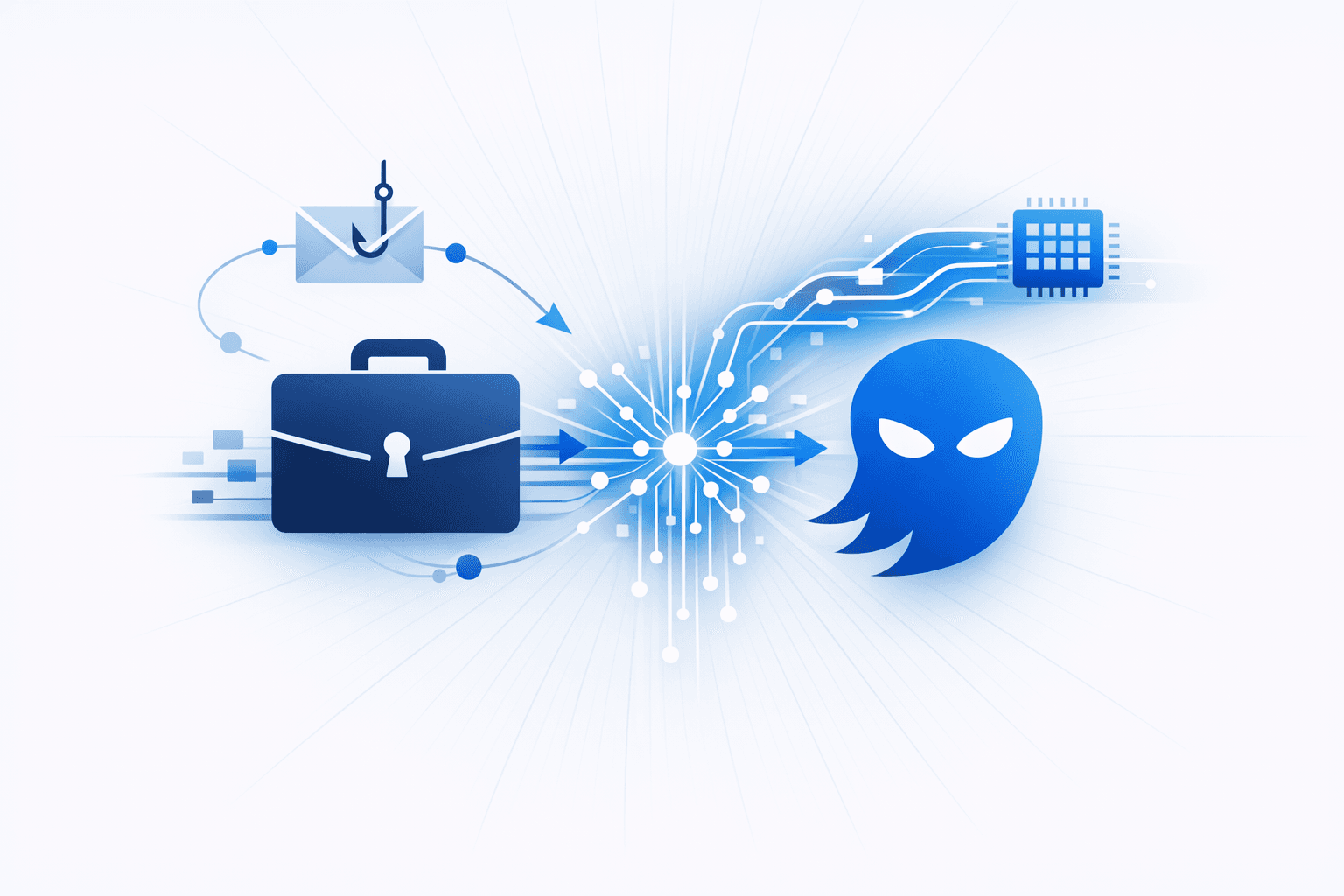
A multi-stage phishing campaign is delivering Phantom Stealer v3.5.0 through compressed archive attachments that contain obfuscated JavaScript, using shipment and tax-audit lures that impersonate trusted organizations including UPS Forwarding Hub and Malaysia’s Inland Revenue Board (LHDN). After a victim opens the attachment, the JavaScript launches hidden PowerShell stages that decode and decrypt additional payloads with AES and XOR, keeping much of the activity in memory to reduce detection.
The final payload is reflectively executed and injected into aspnet_compiler.exe, where it steals system information, browser credentials, cookies, payment card data, cryptocurrency wallet files, and messaging application data. The stolen information is then exfiltrated over authenticated SMTP on TCP port 587 using EHLO, STARTTLS, and AUTH LOGIN with Base64-encoded credentials; researchers said they could not conclusively attribute the activity to a specific threat actor, noting that Phantom Stealer is broadly available in the cybercriminal ecosystem.
Why it matters
Impact assessment
This campaign primarily affects organizations and users exposed to email-based business workflows, especially procurement, logistics, finance, and tax-handling functions. The impact is high for credential theft and financial fraud because Phantom Stealer targets browser passwords, cookies, saved payment cards, cryptocurrency wallet files, and messaging data, creating immediate account takeover and data-loss risk.
The exposure is potentially broad rather than tightly targeted because the malware is distributed through common phishing themes and Phantom Stealer is widely available in the cybercriminal ecosystem. The story describes active delivery in the wild via phishing, but it does not provide confirmed downstream enterprise breaches tied to a named actor.
Affected populations
- Organizations with users who receive shipment, quotation, procurement, banking, or tax-related emails
- Procurement and logistics mailboxes targeted by UPS-themed lures
- Malaysia-linked organizations or Malay-speaking recipients targeted by LHDN tax-audit lures
- Windows endpoints where JavaScript and PowerShell execution is permitted
Severity and business consequences
- Theft of browser credentials and cookies can enable SaaS, email, and banking account takeover
- Theft of saved payment card data and cryptocurrency wallet files creates direct financial-loss risk
- Theft of messaging application data can expose internal communications and support follow-on phishing or fraud
- In-memory execution and process injection reduce detection likelihood, increasing dwell time and scope of data theft
Scope and exploitation status
- Active phishing campaign observed in the wild
- Broad criminal availability of Phantom Stealer increases likelihood of reuse across sectors
- No conclusive attribution to a specific threat actor or intrusion set
- No explicit victim count or geographic scope beyond the observed lure themes was provided