Iran Allegedly Leveraged Ad-Tech and SS7 Data to Track U.S. Military Phones
Threat Actor Intelligence · 2 sources · Updated 4mo ago · First seen Jul 24, 2026
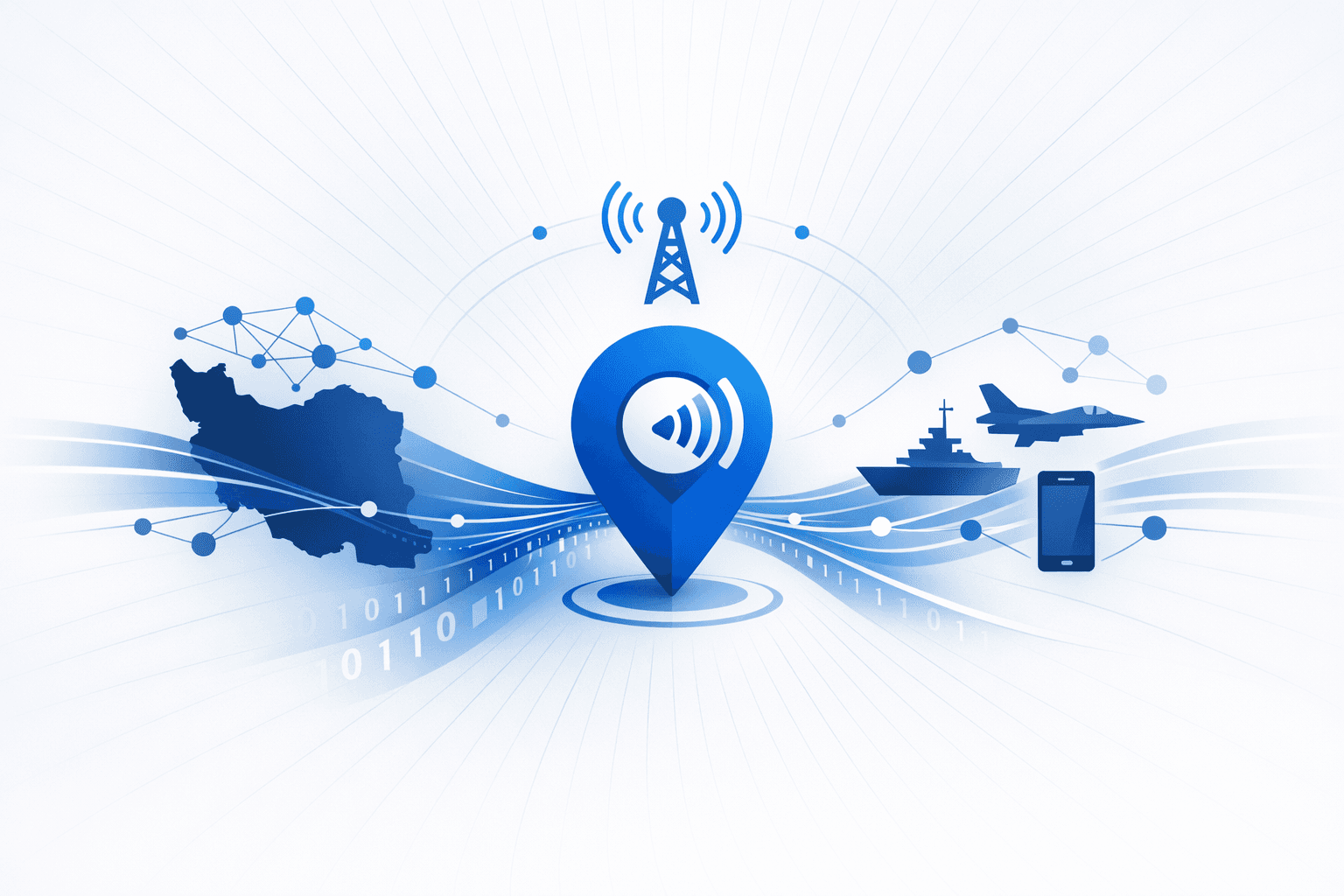
Investigators suspect Iran or Iranian-aligned actors used commercial advertising data and vulnerable cellular infrastructure to help locate U.S. military personnel during the recent Iran-U.S. conflict. Reporting cited by multiple sources says troops moved from bases into hotels and civilian buildings in locations including Iraqi Kurdistan and Bahrain, where repeated mobile app bid requests may have exposed device identifiers and precise movement patterns through real-time bidding systems. Researchers said social media, human sources, and telecom signaling data were also likely part of the targeting picture, although attribution for specific strikes or attacks remains unconfirmed.
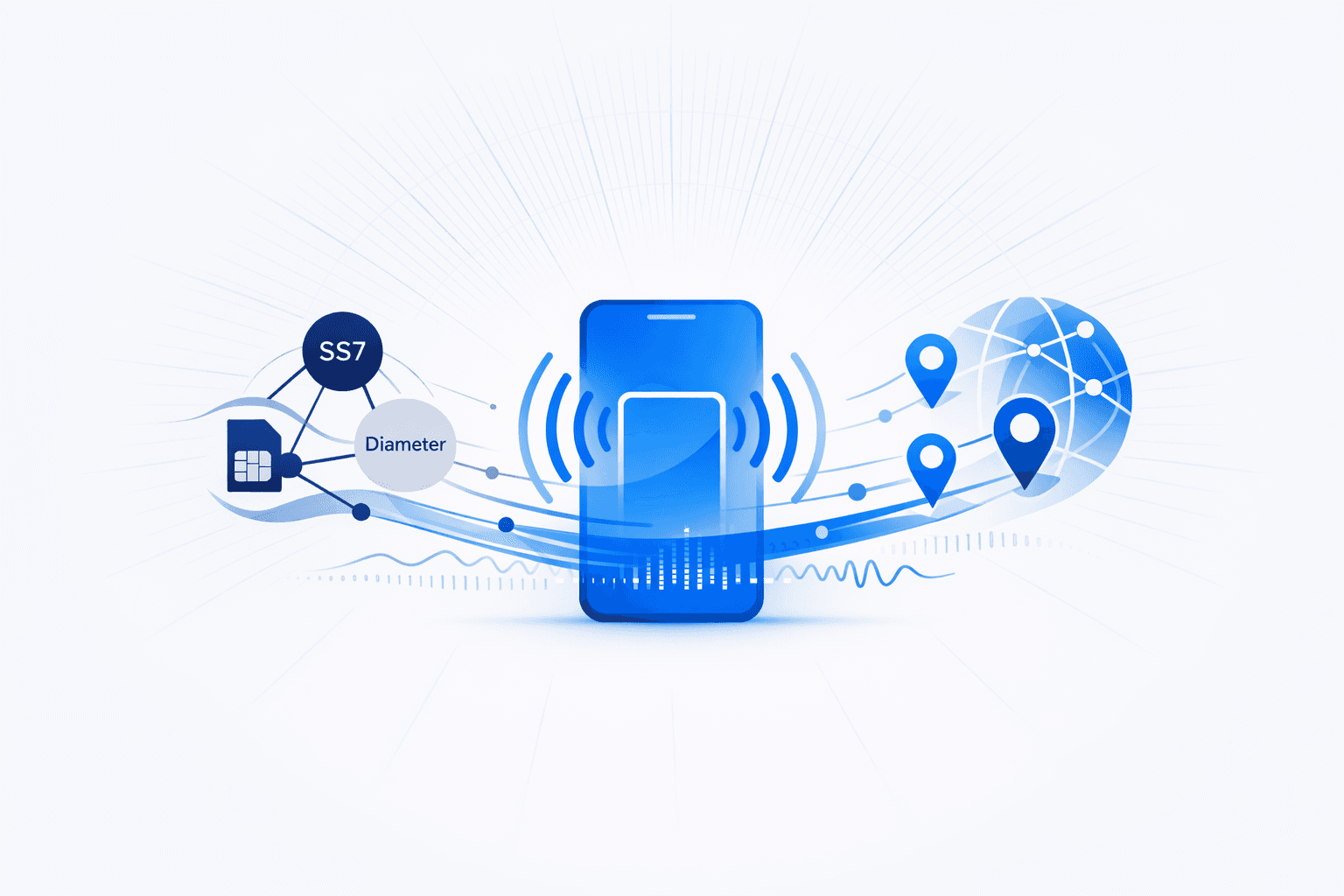
Citizen Lab said the activity reflects a long-running weakness in global mobile networks, where SS7-style attacks and broader telecom interconnect abuse can still be used to track phones despite years of warnings. The combined reporting underscores that commercially available location data and insecure carrier infrastructure can create a persistent intelligence exposure for deployed personnel, allowing state actors and surveillance vendors to identify, monitor, and potentially target sensitive movements outside traditional military facilities.
Why it matters
Impact assessment
State and state-aligned actors can use commercial ad-tech data and insecure telecom signaling to track sensitive personnel movements, creating a direct operational security risk for military, government, diplomatic, and other high-risk mobile users. The impact includes physical targeting risk, exposure of temporary lodging and movement patterns, and broader reputational and policy consequences for organizations that rely on ordinary consumer mobile devices in sensitive environments.
Key impact points
- Affected populations: U.S. military personnel, government travelers, contractors, diplomats, executives, journalists, and other users operating in contested or high-surveillance regions.
- Affected sectors: defense, government, telecommunications, travel/hospitality, ad-tech, and mobile app ecosystems.
- Severity: high for targeted populations because exposed location patterns can support surveillance, targeting, force protection failures, and physical harm.
- Scope: targeted rather than indiscriminate, but the underlying exposure is widespread because it relies on common ad-supported apps and globally interconnected mobile networks.
- Known incidents: reporting alleges Iranian or Iranian-aligned actors may have used ad-tech data and SS7-related telecom signaling to help locate U.S. personnel in Iraqi Kurdistan and Bahrain; attribution for specific strikes guided by this data remains unconfirmed.
- Operational consequence: personnel moved from bases into hotels and civilian buildings, increasing the chance that consumer-device telemetry could reveal sensitive locations.
Entities and locations named
- Iran
- Iranian-aligned actors
- U.S. military personnel
- Department of Homeland Security
- Senator Ron Wyden
- Citizen Lab
- Financial Times
- Reason
- Project Osint
- Iraqi Kurdistan
- Bahrain
- Crowne Plaza in Bahrain