DarkSword iOS Exploit Kit Expanded Into Large Spyware Delivery Infrastructure
Malware Intelligence · 3 sources · Updated 4mo ago · First seen Aug 3, 2026

Hungary's National Cybersecurity Institute warned that DarkSword, a publicly available spyware and exploit kit for Apple devices, is targeting iPhones and iPads running iOS 18.4 through 18.7 and corresponding iPadOS versions. The malware was described as easy to deploy after its code was released on a popular code-sharing platform, lowering the barrier for cyber-espionage activity. Once executed, DarkSword can steal contacts, messages, call history, authentication-related data, and other sensitive information, then exfiltrate it to attacker-controlled servers before deleting itself from the device to hinder detection.
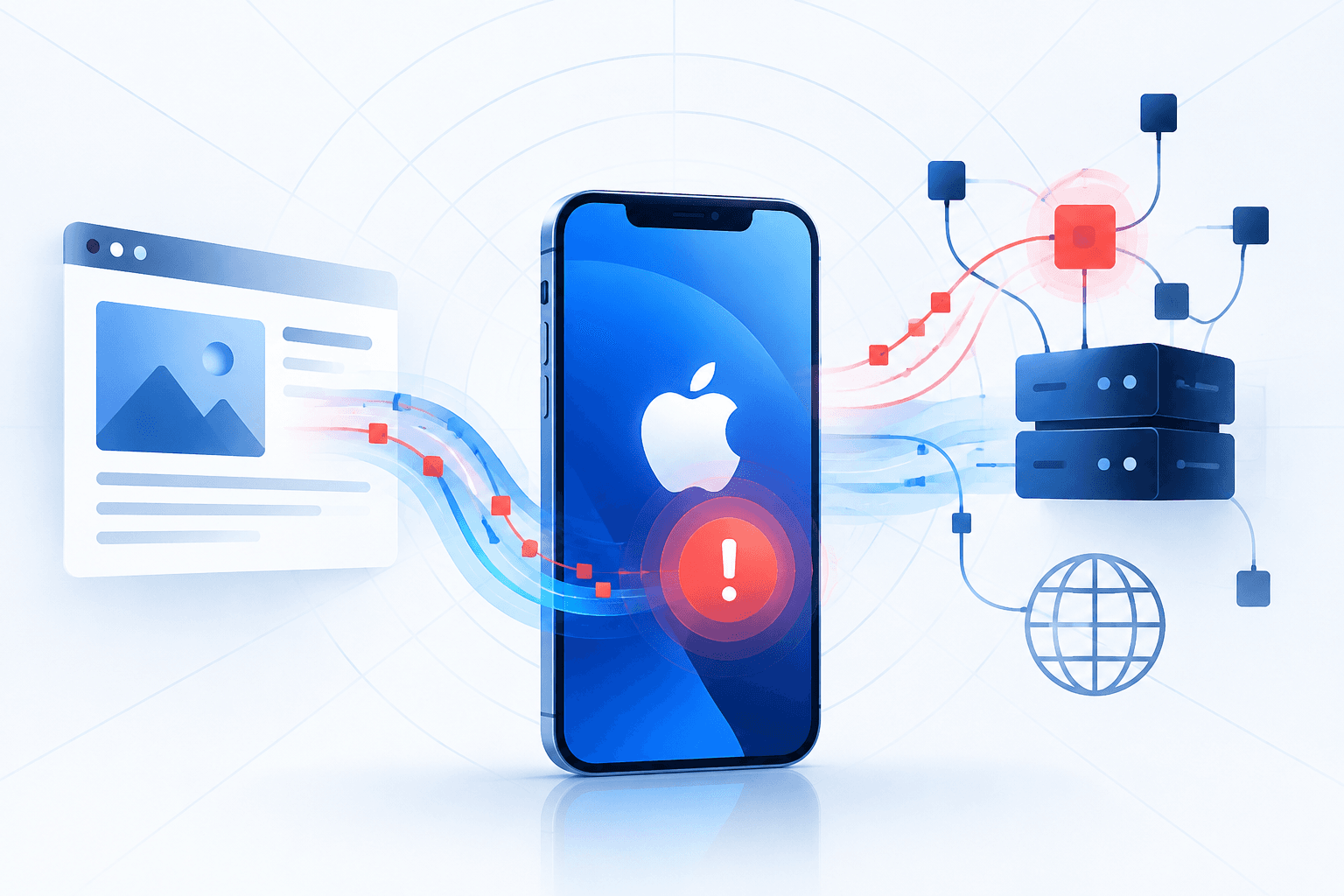
New reporting says the operation has since grown into a broad malicious web infrastructure spanning 180 web properties and 27 hosts, using fake Apple sign-in pages, Apple-themed lures, and compromised websites to deliver a leaked six-vulnerability exploit chain and GHOSTBLADE data-theft modules. Researchers said successful compromise can expose keychain contents, iCloud data, Wi-Fi credentials, files, and Apple ID credentials, while operators rotate servers quickly and remove artifacts such as crash reports and RemoteLog.log to frustrate forensic analysis. Defenders were urged to apply Apple security updates, enable Lockdown Mode where patching is delayed, and monitor for recurring infrastructure fingerprints tied to the campaign.
Why it matters
Impact assessment
DarkSword presents a high-impact mobile espionage risk for organizations with managed or unmanaged Apple devices, especially executives, journalists, government users, and enterprises with iPhone/iPad access to corporate email, cloud storage, and MFA tokens. The campaign appears broad in delivery infrastructure but likely supports targeted exploitation, with confirmed in-the-wild activity across 180 web properties and 27 hosts and direct credential-harvesting components.
Affected populations and products
- iPhones running iOS 18.4 through 18.7
- iPads running iPadOS 18.4 through 18.7
- Users exposed to fake Apple sign-in pages, Apple-themed lure sites, compromised websites, and fake AWS console pages
- Organizations relying on Apple devices for access to iCloud, saved credentials, Wi-Fi profiles, files, and authentication data
Severity and business impact
- Successful compromise can expose contacts, messages, call history, authentication-related data, keychain contents, iCloud data, Wi-Fi credentials, files, and Apple ID credentials.
- Theft of Apple ID credentials and keychain data can enable follow-on account compromise, cloud access, lateral movement through synced credentials, and persistent surveillance.
- Anti-forensics behavior, including self-deletion and removal of crash reports and RemoteLog.log, increases incident response difficulty and raises the risk of undetected compromise.
Scope and exploitation status
- Exploitation is active in the wild according to reporting from NBSZ NKI and follow-on infrastructure tracking by Censys-based reporting.
- The infrastructure is sizable and fast-rotating: 180 web properties and 27 hosts observed as of 2026-07-30.
- Public release of the exploit kit on 2026-03-23 lowered the barrier to entry, increasing the likelihood of copycat use and broader cyber-espionage adoption.