Jackskid Botnet Turned Infected Routers Into Residential Proxy Exits via UPnP
Malware Intelligence · 2 sources · Updated 4mo ago · First seen Aug 14, 2026
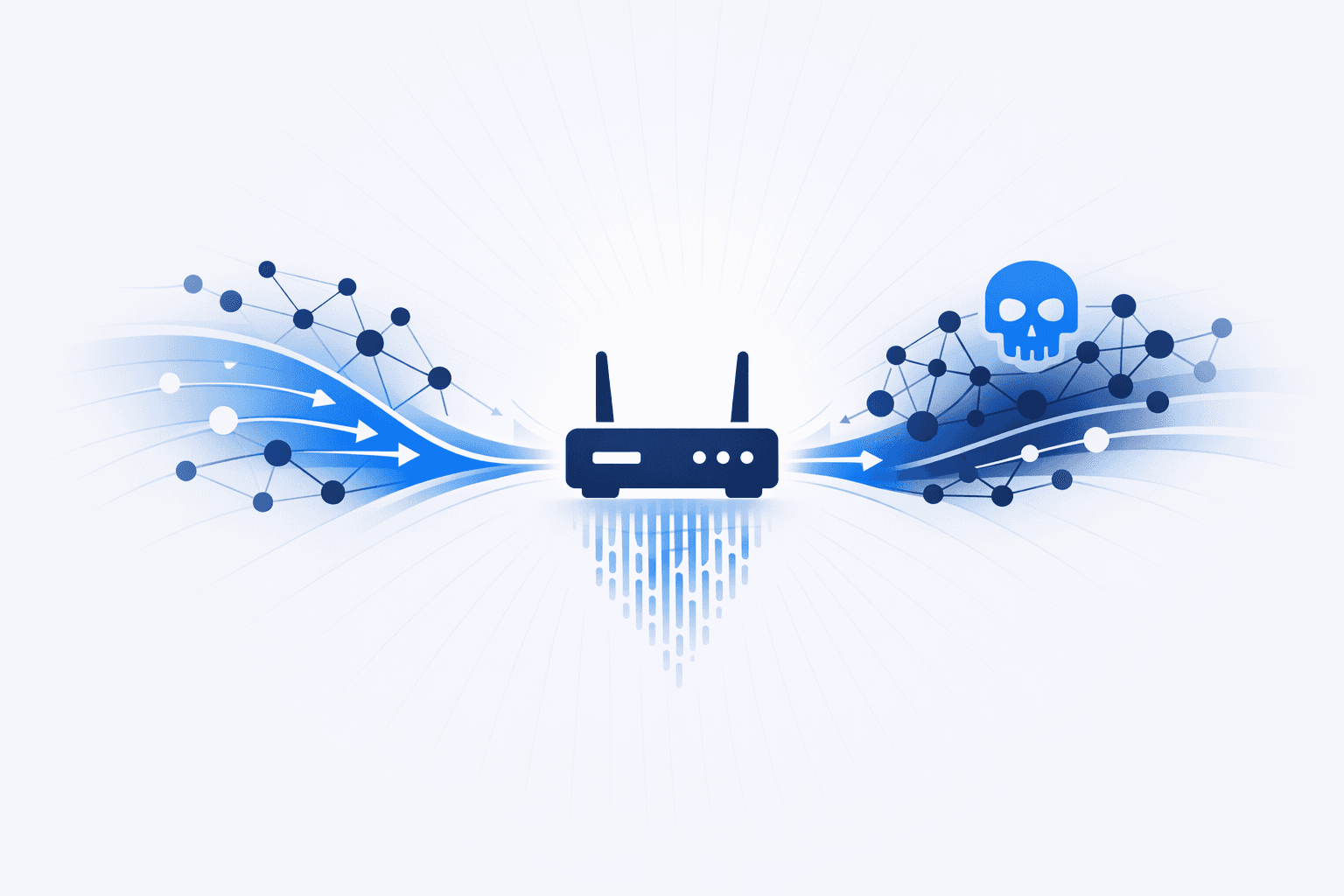
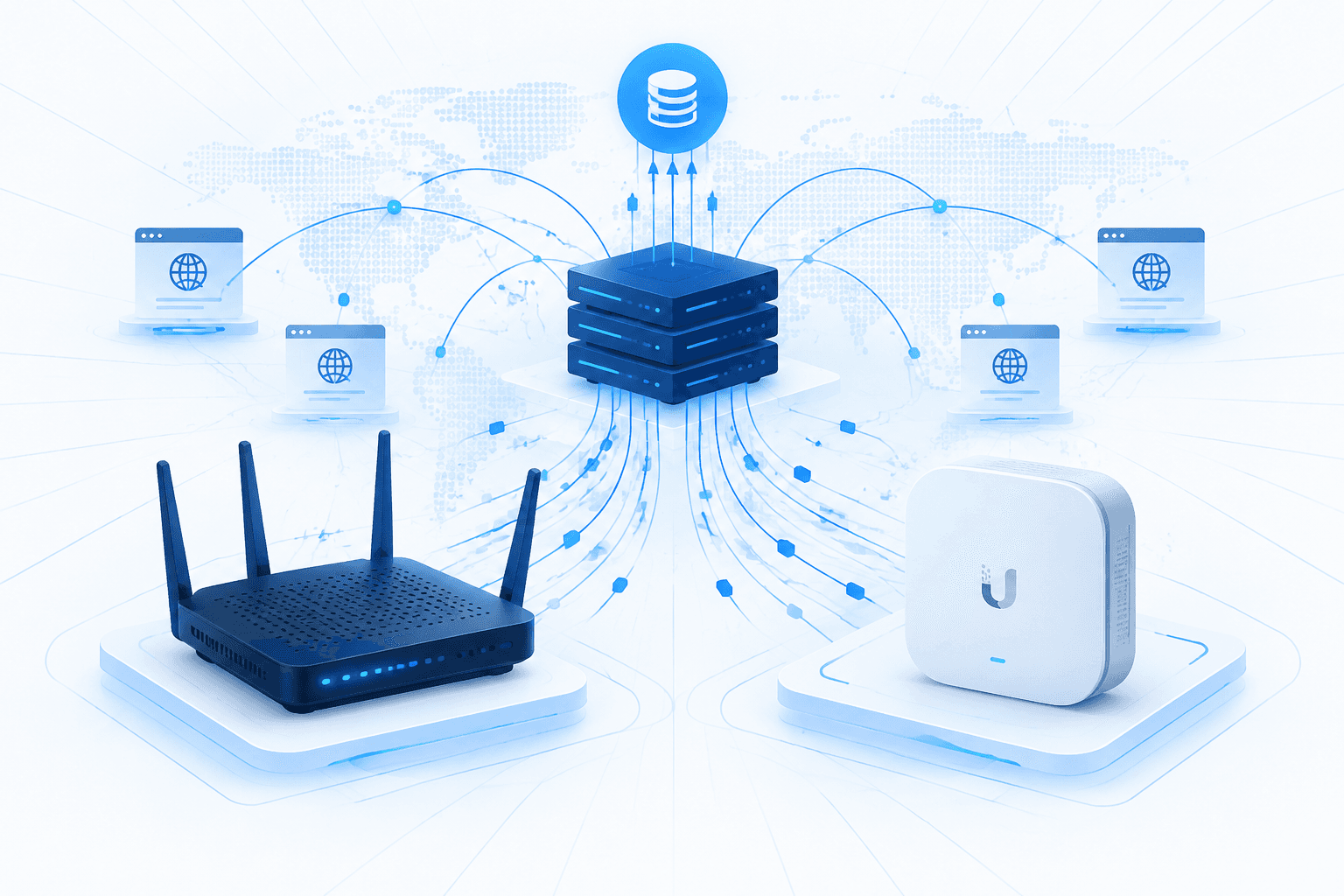
Nokia Deepfield researchers reported that the Jackskid DDoS botnet, the peer4you-mirai hybrid malware, and the trees4sale residential proxy service are linked to a single operator that abuses UPnP Internet Gateway Device port mapping to expose infected residential devices directly to the internet. Instead of routing traffic through outbound tunnels, the malware opens about 165 external router ports marked "RELAY", converting compromised home devices into proxy exits. The report ties the operations together through shared relay code, a byte-identical RCtea configuration key, overlapping infrastructure, and cryptocurrency wallets funded by the same upstream source.
The research says peer4you-mirai connects the DDoS and proxy activity, while newer Jackskid variants either deploy the relay as a second Android payload or embed it directly into Linux bot binaries. In addition to DDoS and proxy services, the operator reportedly uses compromised residential devices as a rotating C2 relay mesh populated from a /nodes director. The technique builds on the long-observed UPnProxy abuse pattern, but the newer campaign operationalizes it at scale for botnet control and commercial proxying. Defenders were urged to watch for SSDP discovery, SOAP AddPortMapping requests, and NAT entries whose description is "RELAY", which the researchers described as strong indicators of compromise.
Why it matters
Impact assessment
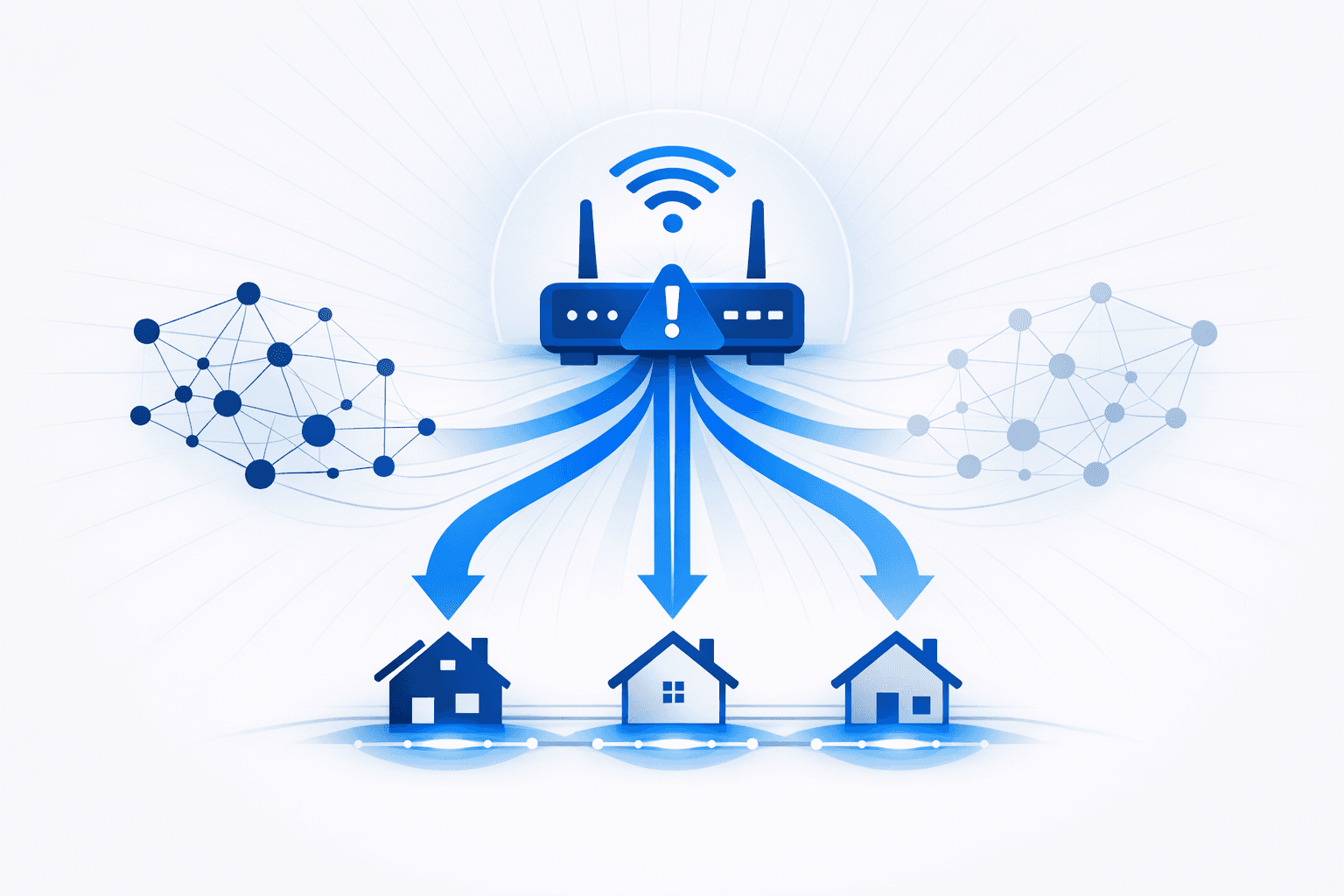
This activity affects residential broadband users, ISPs, and any organization with consumer-grade routers or unmanaged edge devices exposed to malware infection paths. The operator converts infected devices into internet-reachable proxy exits and C2 relays, creating operational risk beyond DDoS participation: victim IP space can be abused for anonymization, malicious traffic relay, and botnet resilience.
The impact is high for exposed consumer and small-office environments because the malware abuses UPnP IGD to publish internal devices directly to the internet at scale, with roughly 165 external ports opened per victim. Exploitation is confirmed in the wild through active Jackskid, peer4you-mirai, and trees4sale operations, and the campaign appears broad rather than narrowly targeted.
Affected populations and exposure
- Residential internet subscribers with UPnP-enabled routers
- Small-office/home-office environments using consumer routers
- ISPs whose customer address space may be repurposed as proxy exits or relay nodes
- Organizations with unmanaged Linux, Android, or IoT devices on consumer-style edge networks
Severity and business risk
- Compromised devices can be exposed directly to the internet as residential proxy exits
- Victim IPs may be used for malicious traffic, fraud enablement, scanning, or follow-on intrusion staging
- Botnet operators also use infected residential devices as rotating C2 relay mesh nodes, increasing takedown resistance
- DDoS capability remains present in Jackskid and peer4you-mirai variants, adding service disruption risk
- Reputational and abuse-handling burden may fall on ISPs and enterprises whose addresses appear in malicious activity
Scope and evidence of active exploitation
- Nokia Deepfield linked Jackskid, peer4you-mirai, and trees4sale to one operator
- The campaign operationalizes UPnP/UPnProxy-style abuse at scale rather than isolated experimentation
- Active infrastructure, malware samples, and relay telemetry were observed in July 2026
- The report documents regrouping after prior March 2026 disruption of the wider Aisuru cluster