Atomic Stealer Updated and Spread via Fake Slack Google Ads on macOS
Malware Intelligence · 2 sources · Updated 4mo ago · First seen Jan 8, 2024

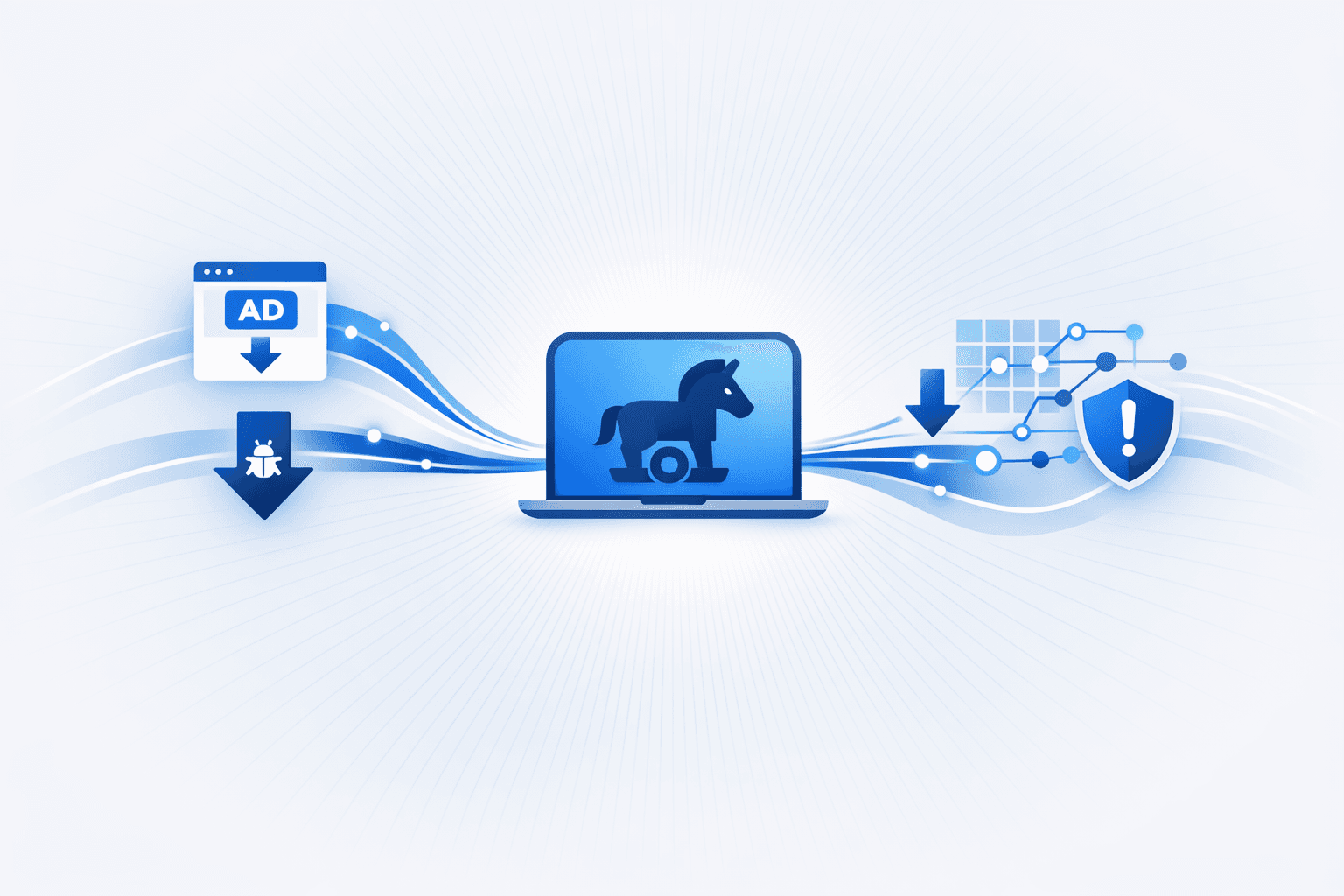
An updated version of Atomic Stealer (also known as AMOS) was distributed to macOS users through a malvertising campaign that abused Google search ads and impersonated Slack. Victims who clicked the ads were redirected through intermediary sites to a fake Slack-themed download page, where macOS users received a malicious DMG carrying the stealer, while Windows users were served a FakeBat payload, showing a cross-platform delivery operation. Researchers reported that the malware had been refreshed in late 2023 with added obfuscation designed to conceal strings, payload components, and command-and-control details from defenders.
Once launched on macOS, Atomic Stealer prompted victims for their system password and harvested browser data, saved credentials, cookies, cryptocurrency wallet information, and other sensitive files before exfiltrating the data to its operators. Separate analysis of the malware family has documented its focus on stealing high-value user data from Apple systems, while reporting around the campaign also tied the operation to a malware-as-a-service model promoted on Telegram, including discounted access offers that highlighted the commercialized nature of the threat.
Why it matters
Impact assessment
Atomic Stealer is a credential and data theft threat targeting macOS users through Google malvertising that impersonates Slack, with parallel delivery of FakeBat to Windows users. The primary impact is theft of browser credentials, cookies, cryptocurrency wallet data, and other sensitive files, creating immediate risk of account takeover, financial loss, and follow-on compromise.
Severity and scope
This is a high-impact user-focused campaign because it abuses trusted brand impersonation and paid search placement to reach broad populations rather than a narrowly targeted victim set. The campaign appears active in the wild as of January 2024, with researchers directly observing malicious ads, redirect chains, payload delivery, and exfiltration behavior.
Who is affected
- macOS users searching for Slack downloads via Google ads
- Windows users exposed to the same campaign infrastructure, who were served FakeBat instead of AMOS
- Organizations with BYOD or unmanaged Apple endpoints
- Users storing browser passwords, active session cookies, or cryptocurrency wallet data on macOS systems
Business impact
- Credential theft can enable unauthorized access to SaaS, email, developer, and financial platforms
- Cookie theft can bypass MFA in some cases through session hijacking
- Wallet theft creates direct financial loss exposure
- Stolen credentials and sessions can lead to broader enterprise intrusion, fraud, and reputational damage
Structured facts extracted
- Malware family: Atomic Stealer, also known as AMOS
- Related malware in same campaign: FakeBat
- Delivery method: Google search ad malvertising impersonating Slack
- Threat model: malware-as-a-service promoted on Telegram
- Pricing reported: $3,000/month standard, discounted to $2,000 through December 31, 2023
- Exploitation status: observed in the wild in January 2024
- Scope: broad opportunistic distribution with cross-platform payloading