Windows Lateral Movement Tradecraft Expands Beyond WMI to COM Hijacking and Service Abuse
Attack Tradecraft · 5 sources · Updated 3mo ago · First seen Apr 1, 2022
Recent research shows attackers continue to rely on legitimate Windows administration features for lateral movement, with WMI, Scheduled Tasks, SMB admin shares, RDP, PsExec, and anomalous Kerberos activity remaining common across enterprise intrusions. VMware telemetry covering 489 multi-host intrusions found 44.7% included lateral movement, typically across fewer than 20 hosts and using short, focused paths, while Gigamon detailed how remote WMI execution and Scheduled Tasks often blend into normal administration through DCE/RPC operations such as ExecMethod, SchRpcRegisterTask, SchRpcRun, and SchRpcDelete, frequently paired with SMB payload transfer and shared outbound command-and-control destinations.
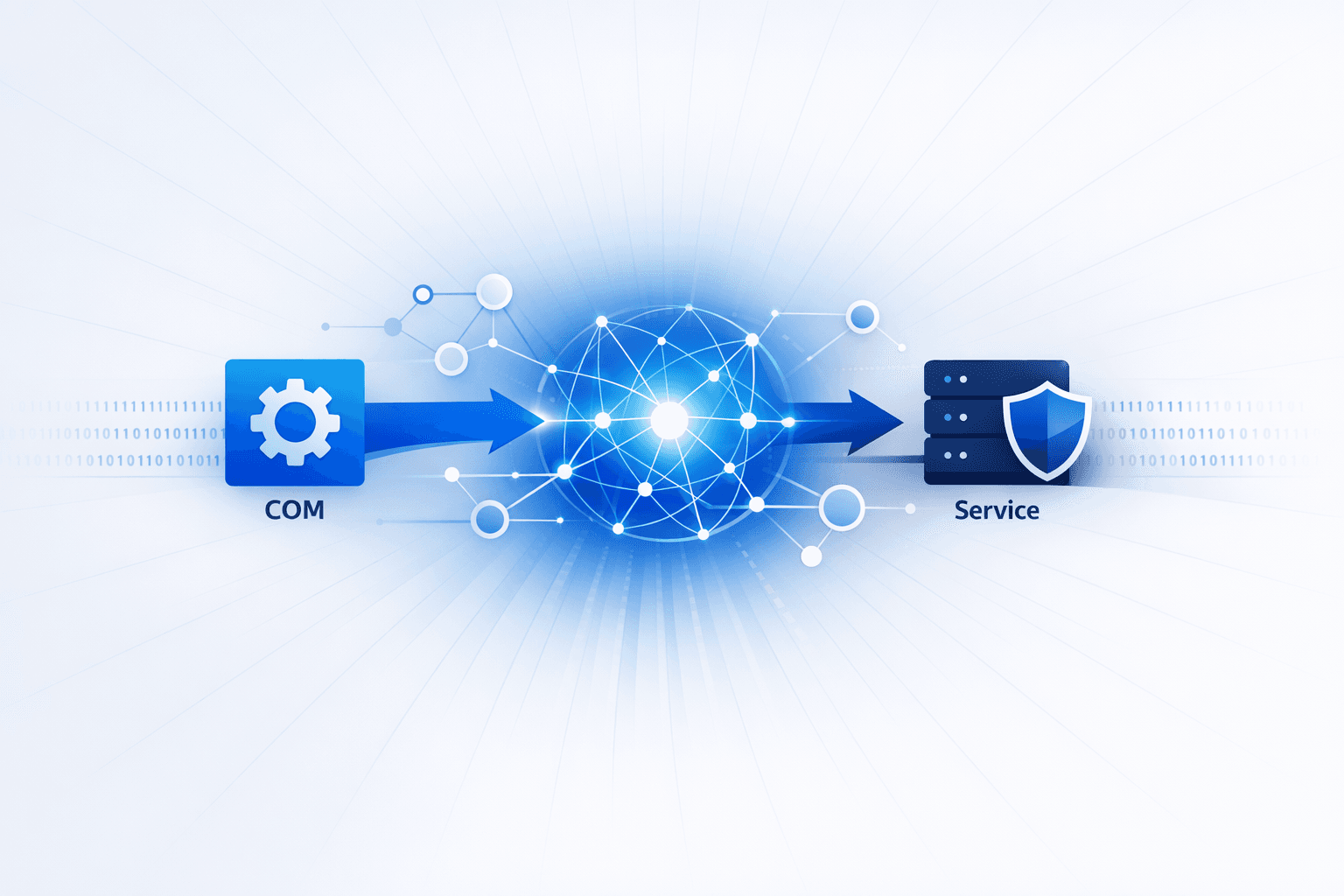
Newer Windows tradecraft is also exploiting cross-session activation and service manipulation to execute code under another user’s interactive session or persist more stealthily after compromise. Purple Team research described COM/DCOM abuse using RunAs=Interactive User, remote registry changes, and CLSID hijacking—including abuse of SpeechRuntime.exe via the CLSID {655D9BF9-3876-43D0-B6E8-C83C1224154C}—as well as tooling such as COMThanasia, PermissionHunter, SessionHop, and SpeechRuntimeMove; separate analysis showed attackers can evade simpler detections by abusing Windows Service recovery functions and registry-backed service creation. Across these techniques, defenders are urged to correlate process creation, registry access, service state changes, authentication context, and network telemetry, with attention to Windows events including 4688, 4663, 4657, 7036, and 7040.