
Loading story…
Meta's Ray-Ban smart glasses are facing growing restrictions from pubs, restaurants, and theatres as venue operators respond to privacy concerns over devices that can discreetly record audio and video while resembling ordinary eyewear. UK organizations including Soho House, ATG Theatres, and Wetherspoons have reportedly banned or limited the glasses, citing risks to patrons and staff, while reports also said footage captured through Meta's AI features was sent to Meta servers and reviewed by human contractors at Sama in Nairobi for AI training, including highly sensitive scenes such as people undressing and visible bank cards.
The backlash has intensified after a newly published Meta patent application described smart glasses that could pair AI with facial recognition to identify nearby people and automatically generate media content about them. Although the filing does not confirm the feature will be released, privacy advocates warned it could enable stalking, harassment, and abuse, especially against vulnerable people, and renewed scrutiny of Meta's earlier work on facial-identification features such as the internally developed "Name Tag" capability and previously disabled facial-recognition code in Meta AI.

See the reporting duties and controls this puts on the clock.
9 events from the most recent confirmed update back to the earliest known activity.
A 2022 Meta patent covered an assistant-based intelligent camera system that a later smart-glasses facial-recognition filing would extend.
A newly published Meta patent application detailed a system combining smart glasses with AI-based facial recognition to identify nearby people and generate media content about them.
A growing number of UK venues moved to ban or restrict Meta's Ray-Ban smart glasses over privacy concerns, including Soho House, ATG Theatres, Wetherspoons, and restaurants linked to Jeremy King.
Meta internally developed a feature called 'Name Tag' that was described as letting wearers identify strangers simply by looking at them.
Meta ended its contract with Sama after workers spoke to the press about the review work; the article says 1,108 staff were fired and the work was later moved to another provider.
Workers at Sama said they reviewed highly sensitive footage captured by Meta smart glasses, including people undressing, living rooms, and visible bank cards, as part of AI training work.
Two Swedish newspapers working with a journalist in Kenya reported that when users invoked AI features on Meta's smart glasses, captured audio and video were sent to Meta's servers and then to Sama workers in Nairobi for labeling.
After criticism over disabled facial-recognition code discovered in the Meta AI application, Meta removed the software, according to the report.
Meta filed a patent application in February describing smart glasses that could identify nearby people with facial recognition and automatically generate media content about them.
Vulnerabilities, threat actors, malware, products, organizations, and breaches Mallory has linked to this story.
See what this changes for your reporting obligations and which controls it puts on the clock.
2 references tracked. Mallory keeps watching after this page renders.
Map indicators from this story to your assets and identify affected systems in minutes.
Every observed campaign, victim, and pivot linked to actors named in this story.
Malware, exploits, and IOCs connected to the activity described here.
YARA, Sigma, and Snort rules deployed to your SIEM as soon as they’re published.
Get matching new stories delivered to your team as they break — not the next morning.
Ask questions about this story and take action on the answers.
Other stories Mallory is tracking that overlap on entities, sources, or topic labels.
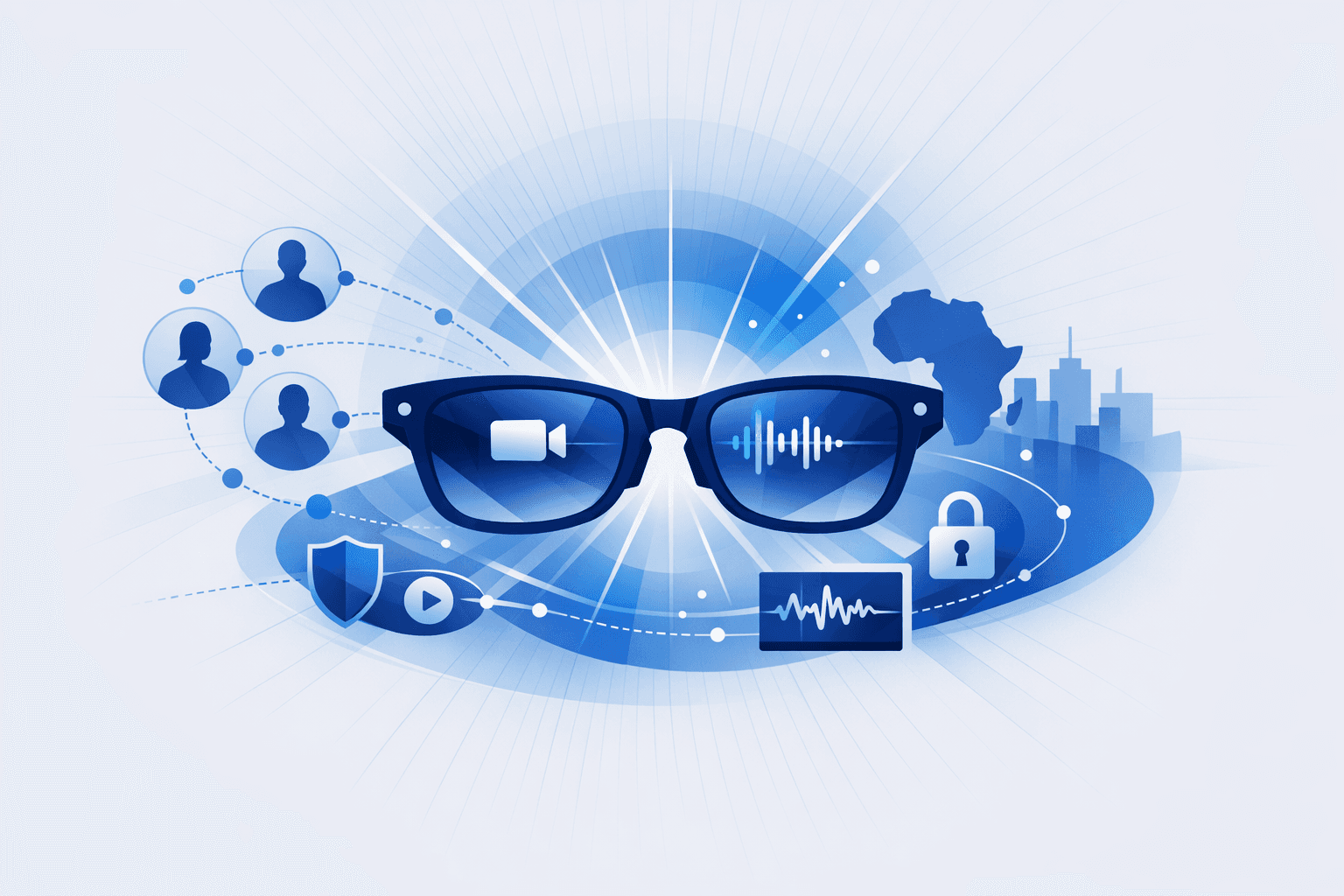
Investigations reported by Swedish outlets *Svenska Dagbladet* and *Göteborgs-Posten* found that recordings captured by **Meta Ray-Ban smart glasses**—including video and audio—are being reviewed by human contractors as part of AI training and quality assurance workflows. Workers employed by **Sama**, a Meta subcontractor in **Nairobi, Kenya**, described routinely handling highly sensitive content inadvertently recorded by users, including bathroom visits, undressing, sex/pornography, and private conversations, as well as incidental capture of **bank cards** and other identifying details; interviewees said they feared reprisals for raising concerns and described strict on-site controls intended to prevent leaks. Following the reporting, the UK’s privacy regulator, the **Information Commissioner’s Office (ICO)**, confirmed it is contacting Meta to ask questions about the devices and associated data-handling practices. While Meta’s terms reportedly disclose that some interactions may be reviewed by humans to improve the system, the reporting and worker accounts suggest the review pipeline can include intimate or identifying moments that wearers may not expect to be viewed by third parties, raising regulatory and reputational risk around consent, transparency, and safeguards for bystander and user privacy.
Jun 29, 2026
Leaked documents and app analysis indicate Meta was developing a facial-recognition feature called **NameTag** for its Ray-Ban smart glasses and the Meta AI companion app. Reporting cited in the references says the software included on-device components for face detection, face cropping, liveness checks, and biometric template generation, with the apparent goal of identifying people seen through the glasses by linking them to Meta platform data such as Facebook and Instagram profiles. The code was reportedly distributed inside the Meta AI app to millions of smartphones even though the feature was not publicly launched. After scrutiny and backlash, Meta reportedly removed most of the related code from a newer version of the app, but privacy concerns persisted because the capability could be restored and because bystanders would have no meaningful way to opt out of being scanned. The reports also say Meta licensed facial-recognition and liveness-detection technology from **Rank One Computing**, a vendor known for government and law-enforcement work, and that the software could support databases of up to **10 million** biometric profiles, intensifying concerns about consumer surveillance through wearable devices.
Jul 15, 2026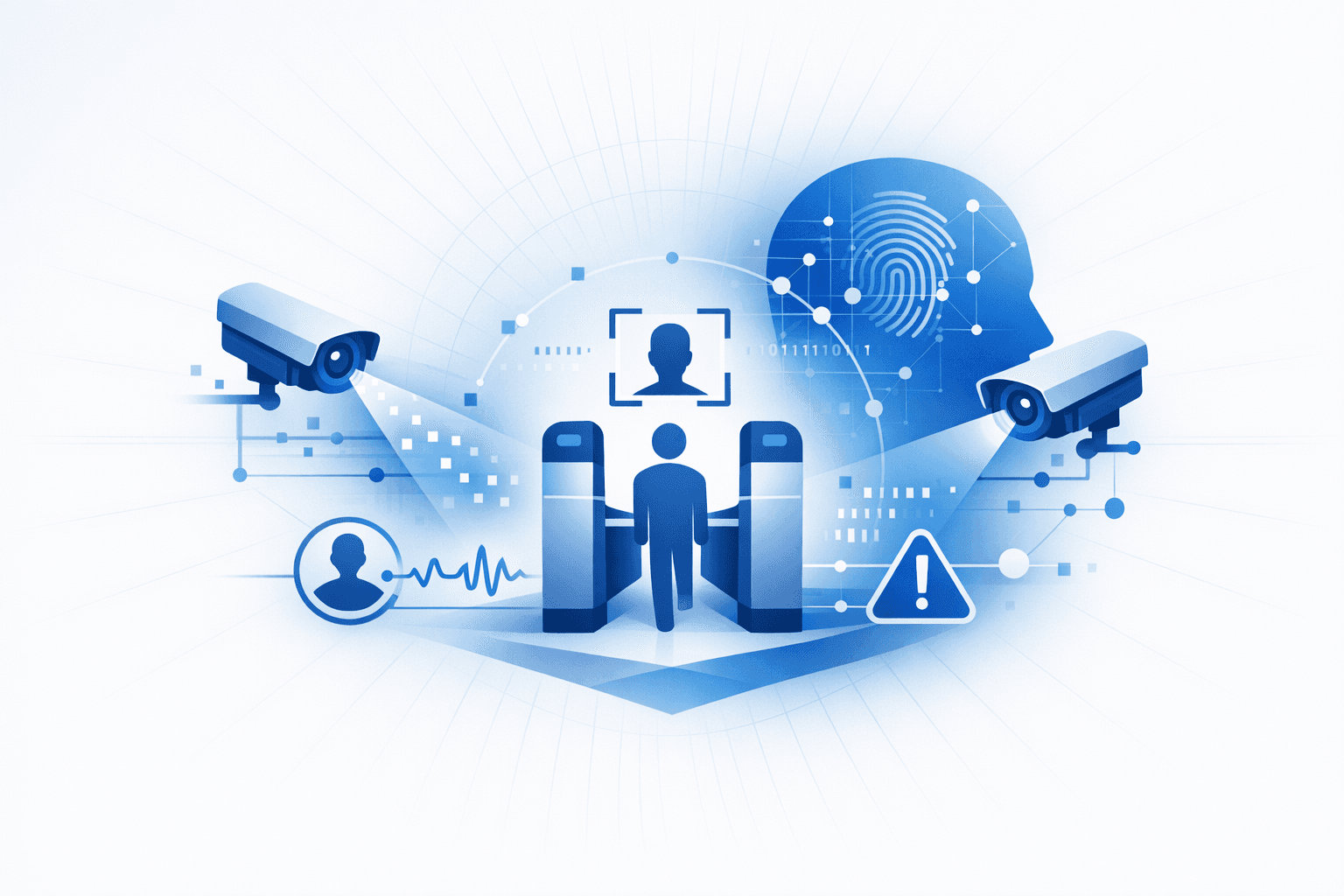
The New York Metropolitan Transportation Authority (MTA) is testing new subway gates that use **AI-powered cameras** to capture short recordings when riders are suspected of fare evasion and to generate a physical description that is transmitted to the MTA, prompting criticism from privacy advocates concerned about persistent monitoring in public transit. The MTA has also solicited vendor input for systems using computer vision and AI to detect “unusual or unsafe behaviors,” reflecting broader growth in surveillance deployments across New York City. In parallel, consumer **AI smart glasses** are re-emerging with built-in cameras and microphones, intensifying concerns that everyday wearables can enable covert recording and downstream biometric identification. Reporting highlighted that footage from *Ray-Ban Meta* smart glasses can be paired with external facial-recognition services to identify strangers, and noted policy issues such as cloud storage of wake-word voice recordings (potentially retained up to a year) and uncertainty about future features like on-device facial recognition; retailers in New York (e.g., Wegmans and others) are also expanding facial-recognition use, underscoring the convergence of AI, biometrics, and surveillance in both public and commercial spaces.
Jun 29, 2026