Mallory
← Back to News
phishing-campaign-intelligenceremote-access-implantpersistence-methoddefense-evasion-method

Phishing Campaigns Abuse ITarian and ScreenConnect for Persistent Remote Access

Social Engineering & Fraud · 1 source · Updated 2mo ago · First seen Sep 23, 2026

Phishing Campaigns Abuse ITarian and ScreenConnect for Persistent Remote Access

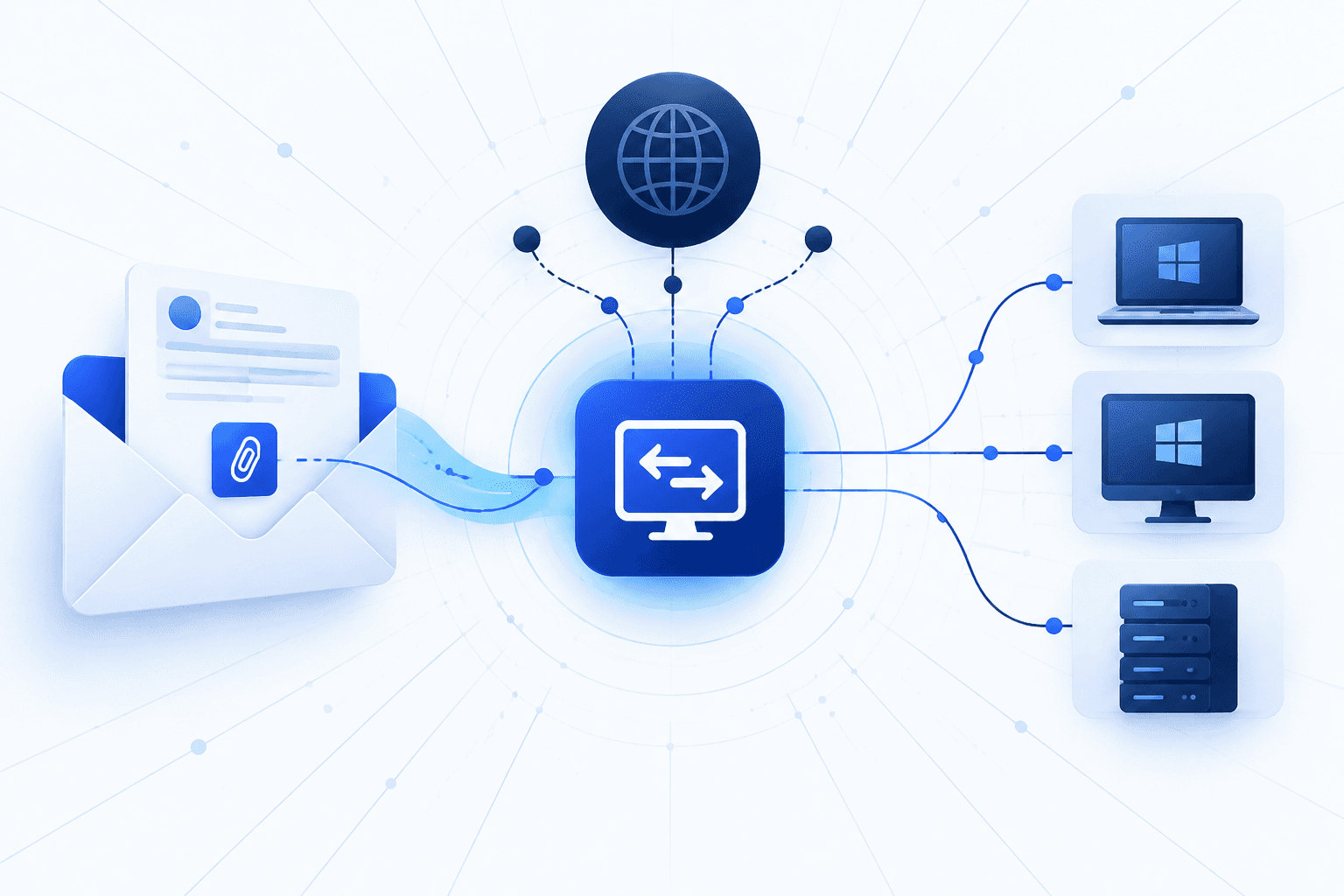
Huntress investigated three phishing-led intrusions in which attackers abused legitimate remote monitoring and management (RMM) tools to gain persistent access. One campaign used a TransferXL-hosted ZIP archive and malicious PDF lure to prompt installation of ITarian, then deployed ScreenConnect; two others used fraudulent document-sharing emails branded as ScreenConnect to install multiple ScreenConnect clients.

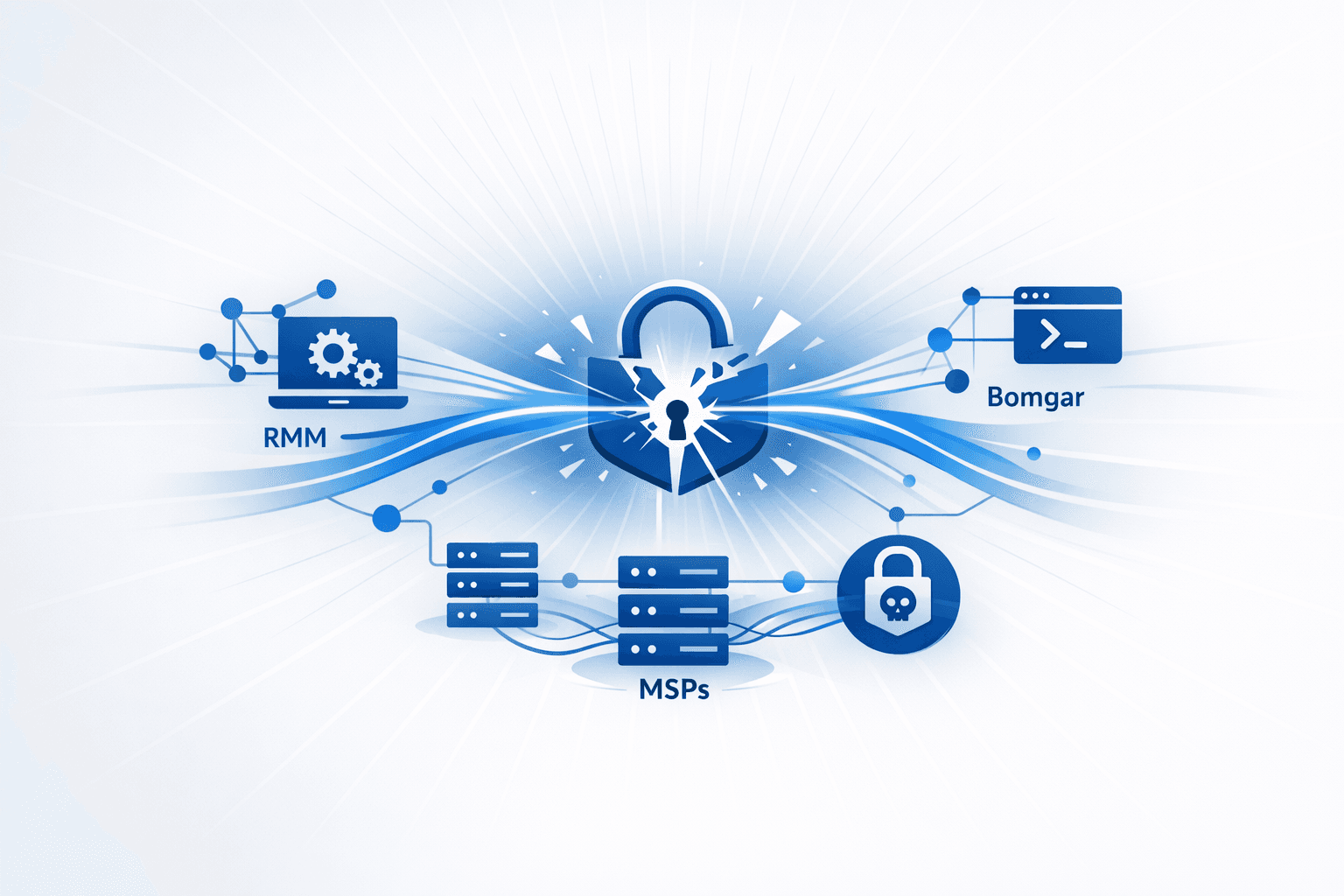
The attackers configured rogue RMM agents for SYSTEM-level persistence, created redundant remote-access channels, and used defense-evasion tooling including HideUL_x64.exe. Huntress reported RMM abuse rose 277% during 2025 and appeared in nearly 40% of incidents investigated by its Tactical Response team, underscoring the need to restrict, inventory, and monitor authorized remote-management software.

Why it matters

Impact assessment

Attackers are targeting organizations whose users can be persuaded to install remote-management software through document-sharing phishing lures. Any enterprise permitting or using ITarian, ScreenConnect, TransferXL, or similar remote monitoring and management (RMM) tools faces elevated risk because legitimate signed tooling can provide durable, high-privilege interactive access while blending into normal administration.

The impact is severe: the reported intrusions established SYSTEM-level persistence and redundant remote-access channels, enabling long-term unauthorized control, follow-on payload deployment, credential and data theft, mailbox compromise, and potential ransomware staging. Huntress observed a 277% rise in RMM abuse during 2025 and reported RMM abuse in nearly 40% of Tactical Response investigations, indicating a widespread and growing technique rather than a narrowly targeted campaign.

Supporting facts

  • Three phishing-led intrusions resulted in attacker-controlled RMM deployment.
  • Rogue ITarian and ScreenConnect clients were configured to persist with SYSTEM privileges.
  • Two ScreenConnect-themed cases each resulted in two rogue ScreenConnect installations, creating redundant access paths.
  • A separate cited case involved an undetected ScreenConnect client used for five months before the attacker accessed a browser and created malicious mailbox rules.
  • No confirmed ransomware, data exfiltration, or exploitation of a software vulnerability was reported in these three incidents.
Is your org in this campaign?Get the infrastructure and lures behind it.
Hunt this campaign
Event timeline

How this story unfolded

Events from the most recent confirmed update back to the earliest known activity.

4 events · 2025
  1. Reported Sep 23, 20262mo ago

    Dormant ScreenConnect access used to create malicious inbox rules

    In a separate incident, an attacker used a ScreenConnect client that had remained undetected for five months to access a user's browser and create malicious email inbox rules.

    Rogue RMM Abuse: How Attackers Exploit Remote Access Tools | Huntress
  2. Reported Sep 23, 20262mo ago

    ScreenConnect document-share phishing compromises two organizations

    In two related incidents, emails claiming to share documents through ScreenConnect redirected victims from an Adobe InDesign lure page to attacker-controlled infrastructure that installed rogue ScreenConnect clients. The actors used HideUL_x64.exe for defense evasion and added a second rogue ScreenConnect installation on each affected system before Huntress intervened.

    Rogue RMM Abuse: How Attackers Exploit Remote Access Tools | Huntress
  3. Reported Sep 23, 20262mo ago

    TransferXL-themed phishing deploys rogue ITarian and ScreenConnect

    A phishing lure posing as a TransferXL secure document led a victim through a ZIP archive and malicious PDF to install an attacker-controlled ITarian client. The attacker then deployed ScreenConnect, configuring both RMM clients for SYSTEM-level persistent access.

    Rogue RMM Abuse: How Attackers Exploit Remote Access Tools | Huntress
  4. 2025

    Huntress records sharp growth in RMM abuse

    Huntress tracked a 277% increase in abuse of remote monitoring and management tools during 2025. Its Tactical Response team observed RMM abuse in nearly 40% of the incidents it investigated.

    Rogue RMM Abuse: How Attackers Exploit Remote Access Tools | Huntress
Linked entities

Related entities

Vulnerabilities, threat actors, malware, products, organizations, and breaches Mallory has linked to this story.

Open in app →

Malware

2 linked

Affected products

1 linked
Screenconnect

Organizations

1 linked
Itarian
Do you run this?Get the infrastructure, lures, and IOCs behind this campaign, ready to push into your email and identity stack.
Hunt This Campaign
Source coverage

Sources

1 reference tracked. Mallory keeps watching after this page renders.

Mallory platform

See the full picture, correlated to your attack surface.

This page covers what’s public. Mallory adds the parts that aren’t: which of your assets are affected, which threat actors are using it right now, and what to deploy next.

Exposure mappingMap indicators from this story to your assets and identify affected systems in minutes.
Threat actor evidenceEvery observed campaign, victim, and pivot linked to actors named in this story.
Associated malwareMalware, exploits, and IOCs connected to the activity described here.
Detection signaturesYARA, Sigma, and Snort rules deployed to your SIEM as soon as they’re published.
Scheduled alertsGet matching new stories delivered to your team as they break, not the next morning.
AI threadsAsk questions about this story and take action on the answers.