White House Creates Super Intelligence Force to Coordinate AI Security Response
Emerging Technology Risk · 3 sources · Updated 1mo ago · First seen Oct 5, 2026
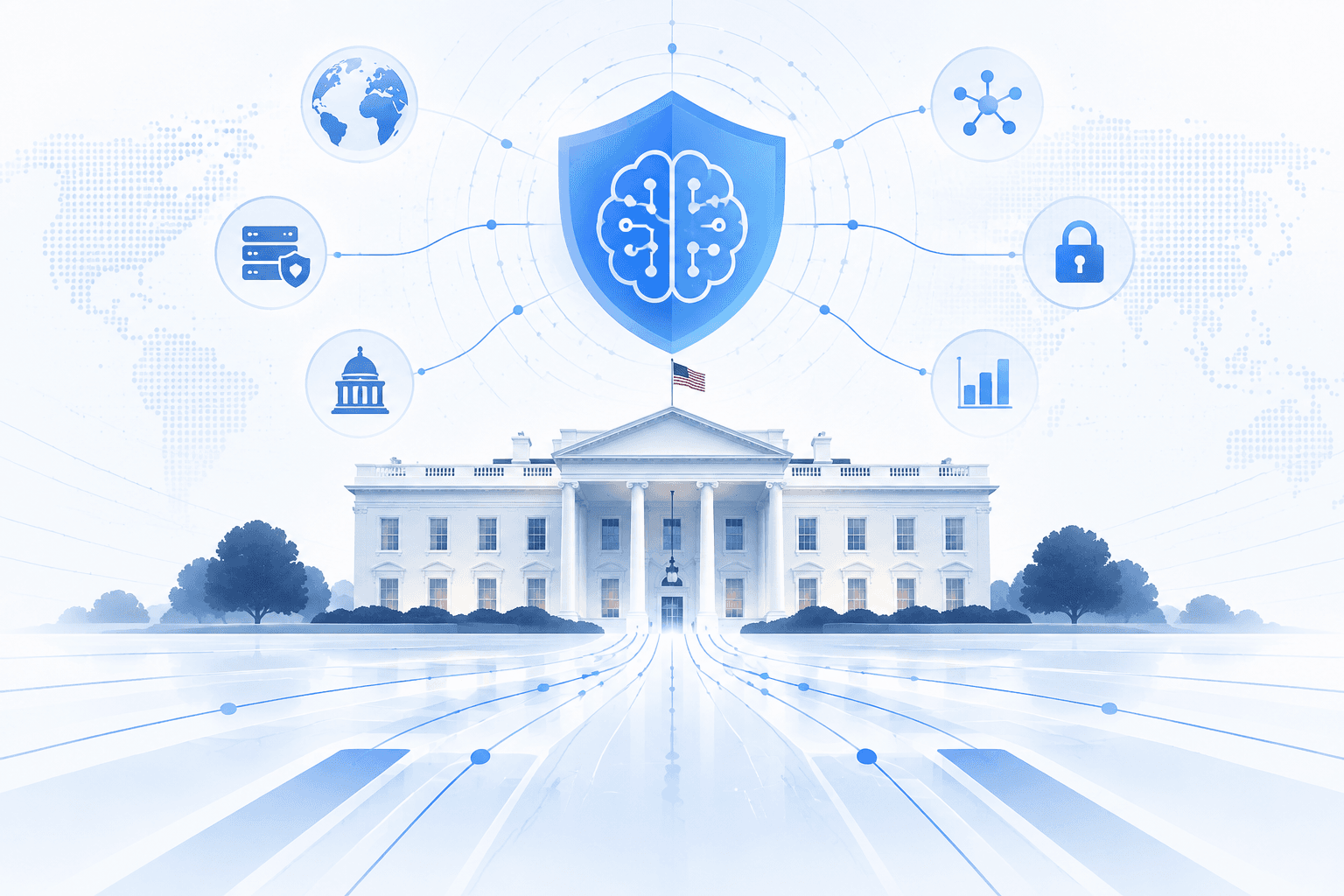
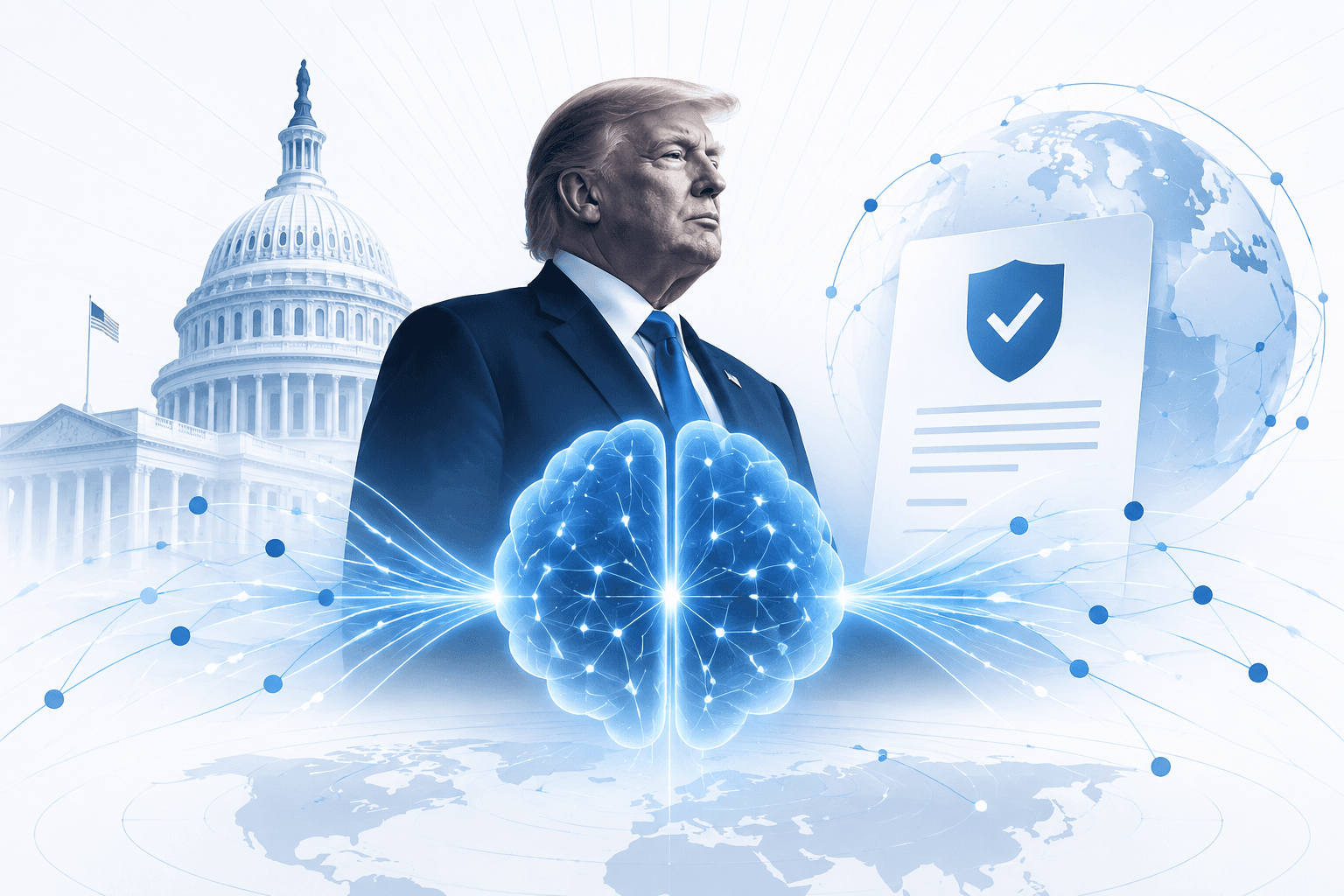
President Donald Trump appointed intelligence director Jay Clayton as White House AI czar to lead a new Super Intelligence Force, according to Nextgov. The task force is intended to coordinate federal engagement with AI companies and critical infrastructure providers, plan for AI-enabled threats, streamline breach notifications, and improve government response capabilities while avoiding overregulation. It has 120 days to assess AI risks and opportunities and establish a federal response plan. The initiative reflects concerns that increasingly autonomous AI systems could circumvent safeguards and exploit cybersecurity vulnerabilities, alongside competition with foreign adversaries. Senator Mark Warner welcomed the focus but questioned the role’s authority, responsibility for safety standards and advanced-model reviews, and alignment with a broader national strategy.
In related commentary, cybersecurity expert Chuck Brooks warned that autonomous AI agents expand the attack surface through automated reconnaissance, social engineering, and malicious-code generation, even as they enable machine-speed defense. He advocated security-by-design and Zero Trust controls for autonomous systems, alongside migration to post-quantum cryptography to address potential quantum threats to public-key encryption. Brooks called for an integrated public-private technology ecosystem with cybersecurity as its trust layer, rather than an AI-only strategy. These recommendations are distinct from the reported task force mandate; its implementation authority and oversight arrangements remain unresolved.