Log4Shell Exploitation Fuels Ransomware, Botnets and Federal Network Compromise
Active Exploitation · 7 sources · Updated 2mo ago · First seen Nov 16, 2022
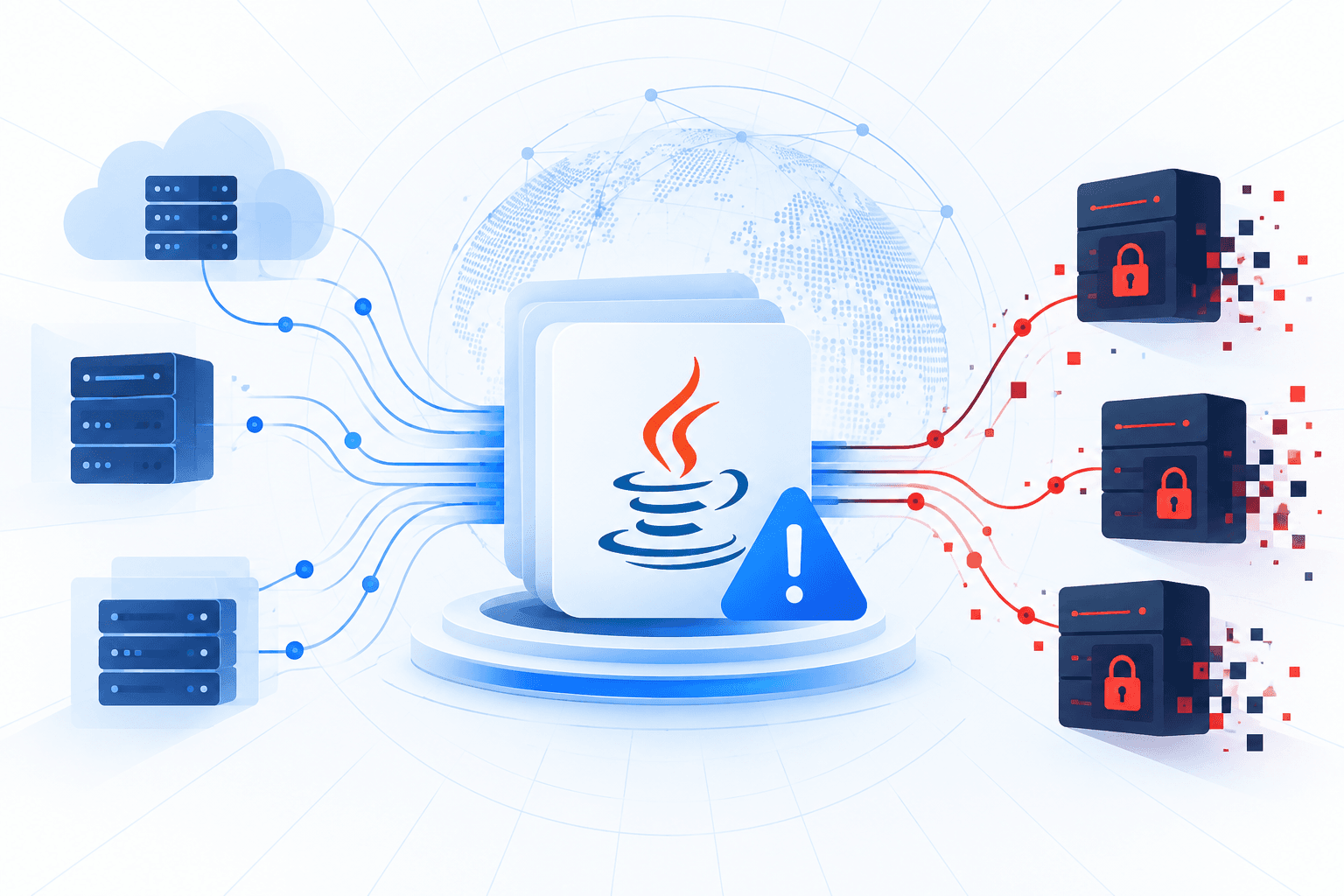
Attackers exploited Log4Shell (CVE-2021-44228), a critical remote-code-execution vulnerability in Apache Log4j, to deploy ransomware, cryptocurrency miners, botnets and backdoors. ReliaQuest reported widespread scanning and exploitation after disclosure, citing Check Point’s observation of more than 1.2 million exploit attempts across customer deployments. Barracuda subsequently recorded relatively steady attack volumes over two months, with Mirai the most common identified payload alongside Monero miners and BillGates DDoS malware. Curated Intel analyzed ransomware delivered through a vulnerable Log4j2 system and tentatively attributed it to TellYouThePass; its downloader supported Linux and Windows payloads, and the ransom note demanded 0.05 BTC. Separately, 360Netlab discovered B1txor20 spreading through Log4j exploitation: an ARM/x64 Linux backdoor using DNS tunneling for command-and-control, with reverse-shell, proxying, exfiltration and rootkit-installation capabilities.
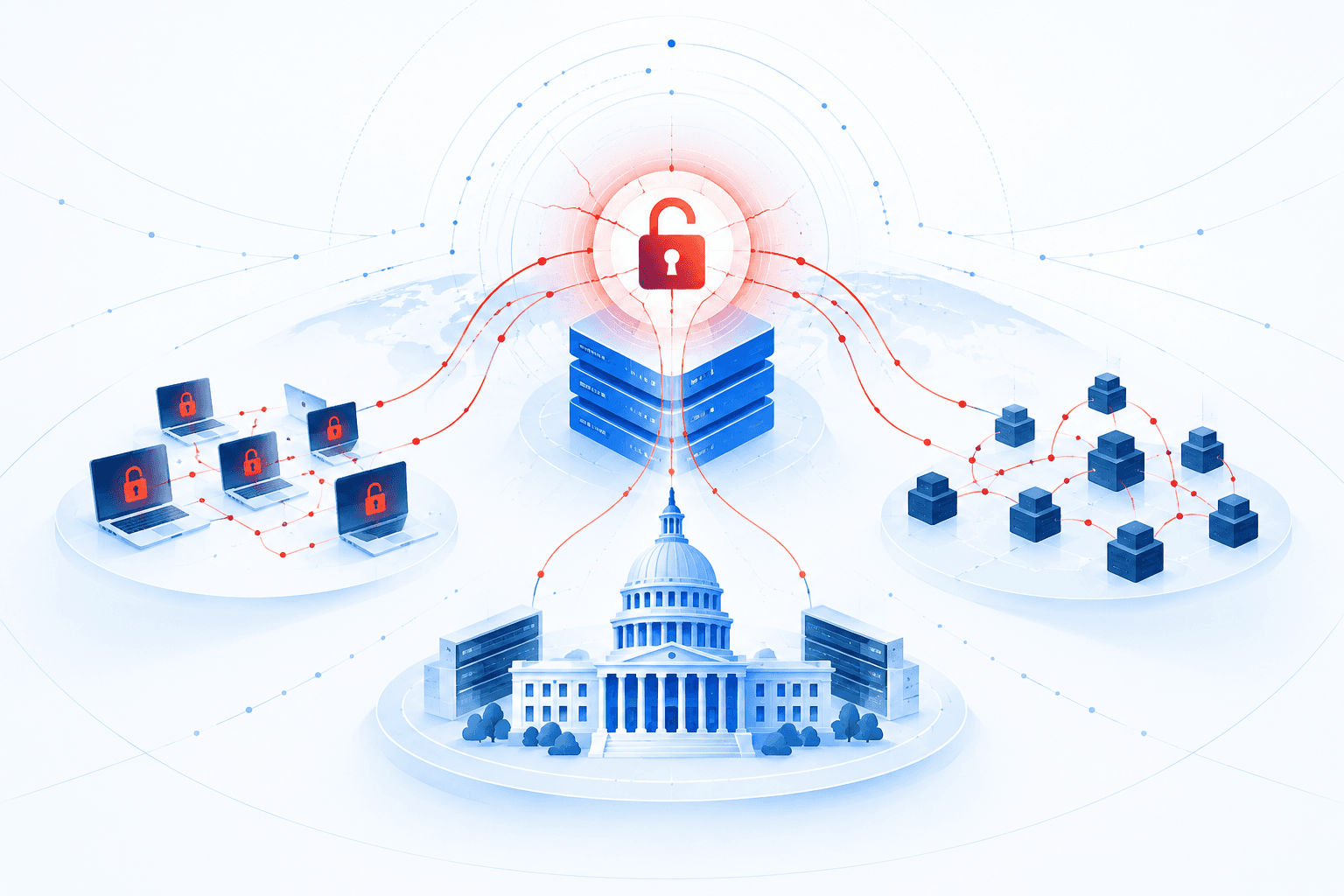
CISA and the FBI assessed that likely Iranian government-sponsored actors exploited an unpatched VMware Horizon server to compromise an unnamed federal civilian agency as early as February 2022. The intruders installed XMRig, harvested credentials with Mimikatz, created a rogue domain administrator account and moved laterally to the domain controller. They also weakened Windows Defender protections and deployed Ngrok reverse proxies to maintain access and tunnel RDP over outbound HTTPS. The incident demonstrated that Log4Shell exploitation could enable persistent enterprise compromise, not just opportunistic malware installation. Defenders should inventory embedded Log4j dependencies, upgrade affected software to supported patched versions and investigate exposed systems for compromise. CISA specifically urged organizations that had not promptly patched affected VMware systems to assume compromise, preserve forensic evidence before remediation, investigate lateral movement and strengthen identity controls, segmentation and credential protection.