Attackers Chain Cisco ASA and FTD VPN Flaws to Compromise Network Appliances
Active Exploitation · 3 sources · Updated 2mo ago · First seen Oct 27, 2025
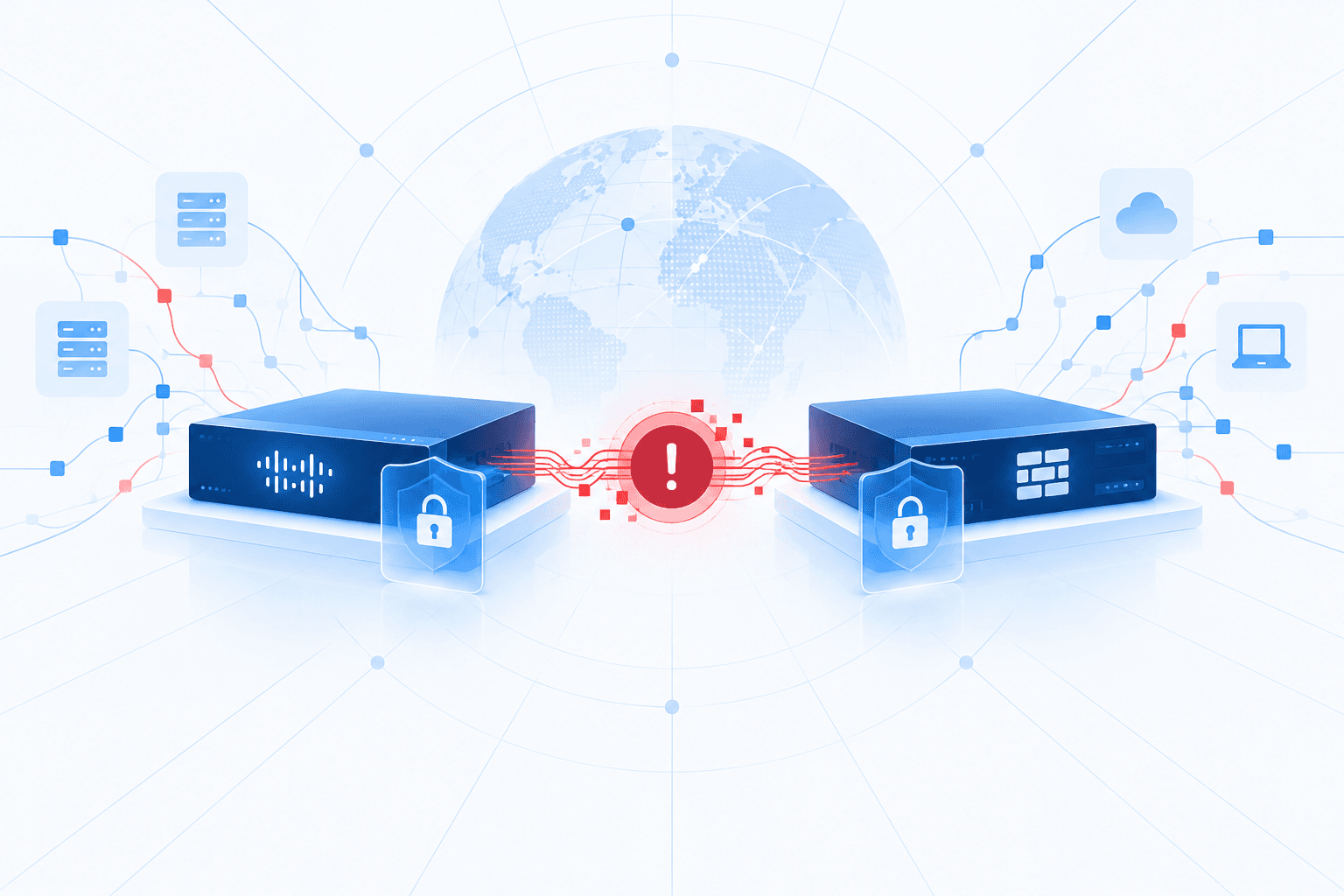
Attackers are actively exploiting Cisco Adaptive Security Appliance (ASA) and Firepower Threat Defense (FTD) vulnerabilities to compromise internet-facing VPN appliances. CVE-2025-20362, an authentication bypass rated CVSS 6.5, allows unauthenticated access to restricted VPN-related endpoints through crafted HTTP(S) requests when VPN web services are enabled. CERT Polska warned that attackers chain it with CVE-2025-20333 to achieve unauthenticated arbitrary code execution with administrator privileges on vulnerable ASA 5500-X devices. Cisco also disclosed CVE-2025-20363, which permits an authenticated user to execute code as root. CrowdSec reported persistent exploitation activity associated with CVE-2025-20362, tracking 292 attacking IP addresses overall and 2,330 signals in its latest reported 89-day window.
Hunter Strategy attributed exploitation of the three vulnerabilities to the state-aligned ArcaneDoor cluster, also tracked as UAT4356 and Storm-1849. Its report described token harvesting, logging interference, deliberate device crashes, and firmware or ROMMON modifications intended to preserve access through reboots and software upgrades, supporting covert access to VPN sessions and internal networks. Organizations should immediately install Cisco’s fixed releases, using the vendor advisory and Software Checker to select the correct version, and investigate affected devices using CISA’s compromise-checking guidance. Unsupported appliances should be disconnected; suspected persistent compromise warrants boot and firmware integrity checks, with rebuilding or replacement where persistence is confirmed. Detected incidents should be reported to the appropriate national CSIRT.
Why it matters
Organizations running internet-facing Cisco ASA or FTD appliances with vulnerable VPN web services face documented exploitation that can escalate from authentication bypass to administrator-level appliance compromise. Successful attacks threaten remote-access availability, VPN session confidentiality, and internal network security; reported firmware persistence means a software upgrade alone may not remove an existing compromise. Exposure spans enterprise and smaller deployments, with CrowdSec reporting concentrations in commerce and small-office/home-office environments and Hunter Strategy describing espionage-oriented targeting by ArcaneDoor.
- Affected operations: Perimeter firewalling, remote-access VPN, privileged appliance management, and connected internal networks.
- Business consequences: Credential and session theft, potential data exfiltration, internal-network intrusion, and outages caused by deliberate device crashes or containment and replacement work.
- Exploitation evidence: CERT Polska documents an active CVE-2025-20362/CVE-2025-20333 attack chain against ASA 5500-X devices. CrowdSec reports 292 attacking IP addresses overall and 2,330 signals in its latest reported 89-day window; these are telemetry counts, not confirmed victim counts.
- Attribution and scope: Hunter Strategy attributes exploitation to ArcaneDoor, also tracked as UAT4356 and Storm-1849. Do not attribute all CrowdSec-observed activity to that cluster.
- Reporting currency: The supplied exploitation reporting spans September 2025–May 2026; it does not establish activity levels as of October 9, 2026.