Attackers Exploit ManageEngine SAML RCE to Deploy Webshells and Establish Persistence
Active Exploitation · 3 sources · Updated 2mo ago · First seen Jan 20, 2023
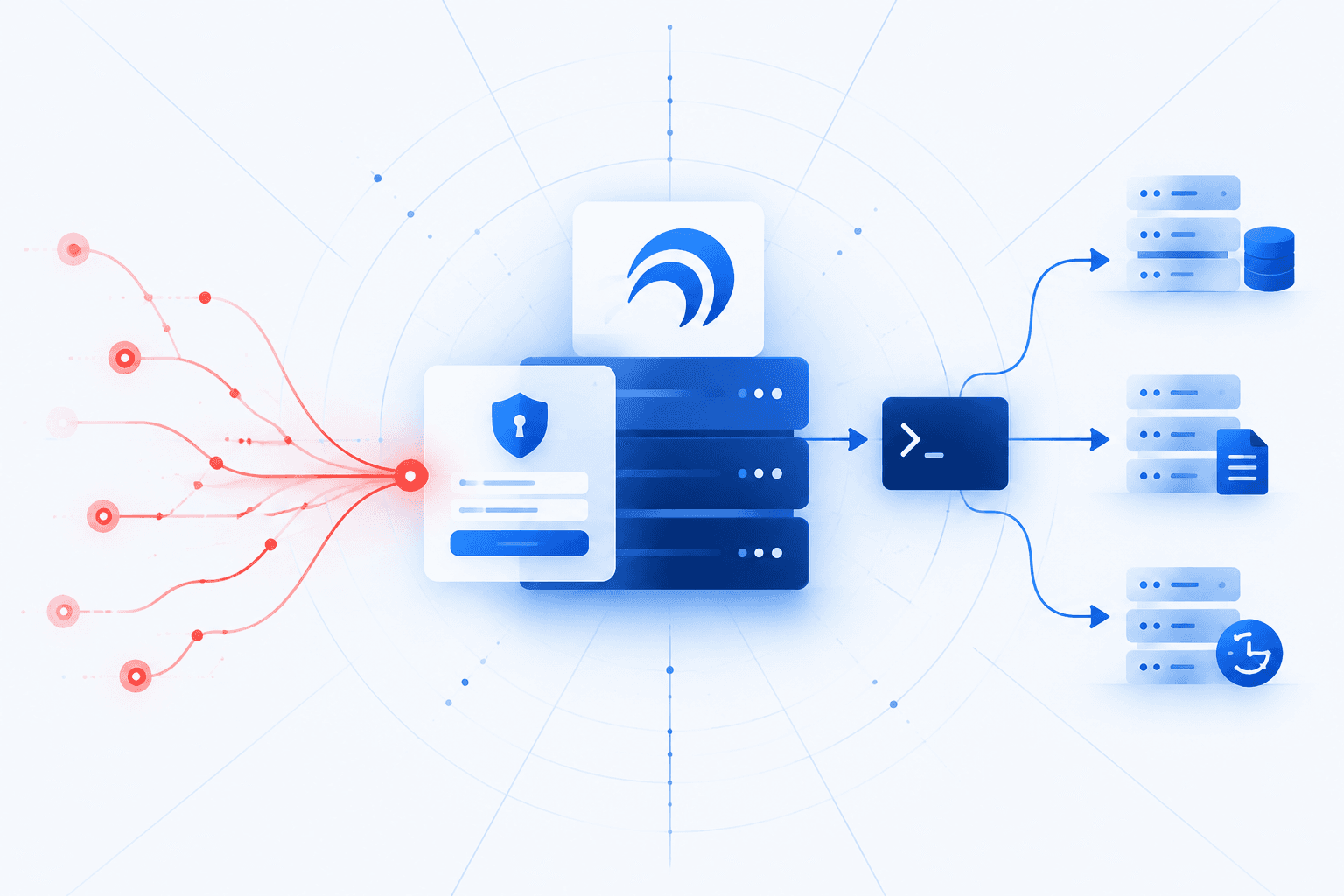
Attackers exploited CVE-2022-47966, a pre-authentication remote code execution vulnerability affecting at least 24 on-premises ManageEngine products, to compromise servers and establish persistent access. The flaw stems from Apache Santuario and is exploitable under product-specific SAML single sign-on configuration conditions. ManageEngine released patches in October and November 2022, but Rapid7 observed exploitation beginning January 17, 2023—two days before Horizon3 published proof-of-concept code and a technical analysis.
Observed attacks deployed webshells, established persistent tunnels, created privileged accounts, weakened credential protections, and disabled security controls. Additional exploitation involved Agent Tesla download activity, Monero mining, and PowerShell reverse shells. Organizations operating affected products should apply the appropriate vendor updates and assess exposure against ManageEngine’s product-specific SAML conditions. Previously unpatched systems warrant investigation using documented logs, process behavior, and network indicators; patching alone does not remove attacker-created accounts, webshells, or other persistence mechanisms.
Why it matters
CVE-2022-47966 exposes organizations running affected on-premises ManageEngine products to unauthenticated remote code execution under product-specific SAML configuration conditions. Rapid7 documented exploitation beginning January 17, 2023, with SYSTEM-level execution, webshells, privileged accounts, credential-protection changes, and persistent tunnels; these findings establish historical exploitation, not a new October 2026 campaign.
- Affected population: Organizations using at least 24 ManageEngine products for endpoint management, identity administration, service management, privileged access, and related IT operations.
- Severity: Compromise of management servers enables persistent administrative access and creates opportunities for credential theft, lateral movement, data theft, and operational disruption. Observed Monero mining also consumes infrastructure resources.
- Scope: Rapid7 observed exploitation across multiple organizations. Exposure depends on product version and whether SAML SSO is currently enabled or was previously configured.
- Recovery implications: Applying updates closes the vulnerability but does not remove attacker-created accounts, webshells, tunnels, or weakened security settings. Previously exposed systems require compromise assessment.