Vercel Sandbox Network-Filtering Flaw Could Let AI Agents Bypass Allowlists and Leak Data
Emerging Technology Risk · 2 sources · Updated 2mo ago · First seen Oct 13, 2026

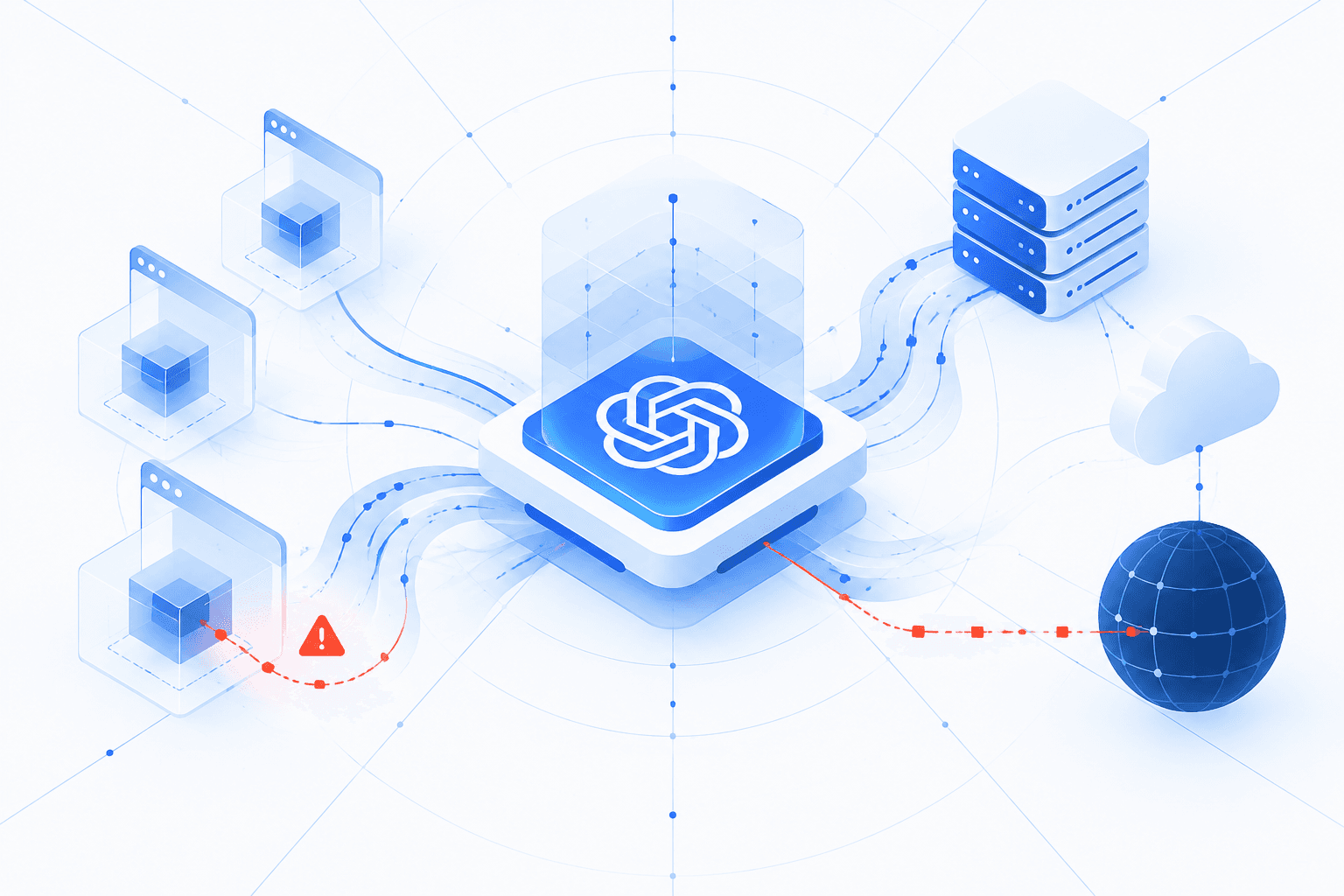
AIR researchers discovered a network-filtering vulnerability in Vercel Sandbox that could allow rogue AI agents to leak sensitive information despite outbound network allowlists. The technique uses a crafted digital certificate sent to an approved server to trigger a request from that server to an attacker-controlled destination. This creates an indirect exfiltration route without requiring the sandbox to contact the unauthorized destination itself, undermining the network restrictions intended to contain agents.
AIR notified Vercel, which reportedly said it needed time to determine how to patch the flaw; no available fix was reported in the October 13 coverage. Researchers described the vulnerability as apparently longstanding and found no evidence of exploitation in the wild, although they could not rule it out. Organizations running AI agents in Vercel Sandbox should review agents’ access to sensitive information and avoid treating network allowlists alone as a sufficient barrier against data exfiltration.
Why it matters
Summary
A demonstrated Vercel Sandbox network-filtering bypass could let rogue AI agents exfiltrate accessible secrets or other sensitive data through an approved external server. Organizations using Sandbox outbound allowlists as their primary data-loss barrier face potential credential compromise and downstream financial or operational harm; the scope of affected deployments and configurations is not established. AIR reported no evidence of exploitation in the wild, and the October 13, 2026 coverage identified no available fix.
- Affected population: Organizations running AI agents or untrusted code in Vercel Sandbox, particularly workloads with access to credentials, customer data, or proprietary information.
- Exposure condition: An approved destination must process the crafted certificate in a way that triggers an attacker-directed request; the report does not establish that every allowlisted server supports this behavior.
- Control failure: Sandbox connections can remain allowlist-compliant while an approved server acts as an indirect data-exfiltration intermediary.
- Incident status: AIR described the vulnerability as apparently longstanding but did not establish its age or confirm any real-world compromise.