Mallory
← Back to News
package-repository-poisoningopen-source-dependency-vulnerability

GitHub Launches npm Package Firewall to Block Risky Dependencies

Supply Chain Risk · 3 sources · Updated 19d ago · First seen Oct 23, 2026
GitHub Launches npm Package Firewall to Block Risky Dependencies

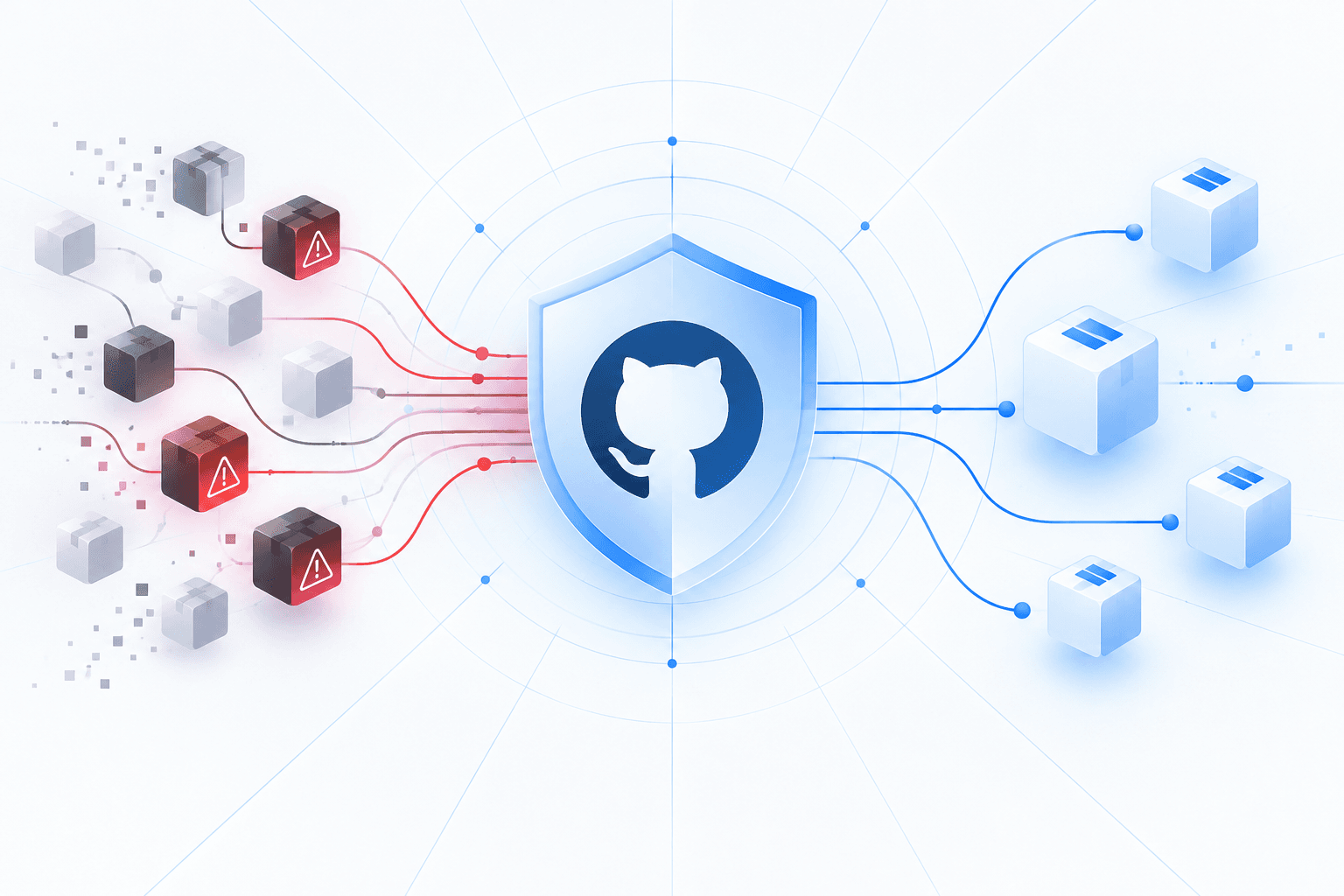
GitHub has launched Package Firewall in public preview for GitHub Enterprise Cloud customers, initially supporting npm packages. The service inspects package metadata requests and downloads routed through it, applying centralized policies before dependencies reach developers, coding agents or CI runners. Administrators can block packages flagged by malware or vulnerability advisories, enforce minimum package-version ages, and reject releases that introduce installation scripts or lose previously available SLSA attestations.

Protection depends on routing package traffic through the firewall; requests that bypass it remain outside its controls. The policies cannot guarantee detection of delayed malware or malicious releases signed through compromised publishing pipelines. Administrators can grant exceptions for legitimate releases, including urgent security fixes that minimum-age rules might otherwise block. The preview is free, with usage-based billing planned for general availability; GitHub has not announced a general-release date or specific prices.

Does this reach your builds?Trace attribution and downstream blast radius.
Trace the chain
Event timeline

How this story unfolded

Events from the most recent confirmed update back to the earliest known activity.

10 events
  1. Reported Oct 23, 202630d ago

    GitHub launches Package Firewall in public preview

    GitHub made Package Firewall available in a free public preview for GitHub Enterprise Cloud customers, including those using data residency, initially supporting npm. It applies centralized policies to routed package requests, including malware and vulnerability checks, minimum package ages, newly introduced installation scripts, and missing provenance attestations.

    GitHub Package Firewall blockiert schädliche npm-Pakete | heise online
  2. Reported Oct 23, 202630d ago

    GitHub announces stricter npm dependency-script rules

    In June, GitHub announced stricter npm installation-script rules, with npm 12 intended to require explicit approval before dependency scripts execute.

    GitHub Package Firewall blockiert schädliche npm-Pakete | heise online
  3. Reported Oct 21, 20261mo ago

    GitGuardian documents malicious packages executing on import

    GitGuardian documented malicious package versions that abandoned installation hooks and executed on import instead, bypassing defenses based solely on disabling lifecycle scripts.

    GitHub Puts a Firewall Between npm and Your CI Runners | DevOps.com
  4. Reported Oct 21, 20261mo ago

    Microsoft tracks campaigns harvesting credentials from CI hosts

    Microsoft tracked campaigns designed to harvest AWS, HashiCorp Vault, GitHub Actions, and npm credentials from CI hosts.

    GitHub Puts a Firewall Between npm and Your CI Runners | DevOps.com
  5. Reported Oct 21, 20261mo ago

    Researchers disclose a credential-stealing worm affecting over 400 npm packages

    In August, researchers disclosed a worm affecting more than 400 npm packages. It searched developer machines and CI runners for credentials.

    GitHub Puts a Firewall Between npm and Your CI Runners | DevOps.com
  6. Reported Oct 21, 20261mo ago

    Compromised AsyncAPI CI builds and signs a malicious release

    In a July attack on AsyncAPI, the project's own CI pipeline built and signed a malicious release, illustrating how compromised publishing infrastructure can produce malware with valid attestations.

    GitHub Puts a Firewall Between npm and Your CI Runners | DevOps.com
  7. Reported Oct 21, 20261mo ago

    npm v12 disables dependency lifecycle scripts by default

    The DevOps.com reference reports that npm v12 was released in July with dependency lifecycle scripts disabled by default. The protection depended on teams adopting that version.

    GitHub Puts a Firewall Between npm and Your CI Runners | DevOps.com
  8. Reported Oct 21, 20261mo ago

    Attackers target the @redhat-cloud-services namespace

    Attacks against packages in the @redhat-cloud-services namespace in June relied on preinstall hooks.

    GitHub Puts a Firewall Between npm and Your CI Runners | DevOps.com
  9. Reported Oct 21, 20261mo ago

    Attackers exploit preinstall hooks in SAP packages

    Attacks on SAP packages in April relied on preinstall hooks to execute malicious code during dependency installation.

    GitHub Puts a Firewall Between npm and Your CI Runners | DevOps.com
  10. Reported Oct 21, 20261mo ago

    Compromised Axios releases deploy a remote access trojan

    In March, malicious Axios versions used a postinstall script to deploy a remote access trojan. The compromised versions remained available for about three hours.

    GitHub Puts a Firewall Between npm and Your CI Runners | DevOps.com
Linked entities

Related entities

Vulnerabilities, threat actors, malware, products, organizations, and breaches Mallory has linked to this story.

Open in app →

Organizations

1 linked
GitHub
Do you run this?See attribution and downstream blast radius, and whether this package or vendor reaches your builds.
Trace the Supply Chain
Mallory platform

See the full picture, correlated to your attack surface.

This page covers what’s public. Mallory adds the parts that aren’t: which of your assets are affected, which threat actors are using it right now, and what to deploy next.

Exposure mappingMap indicators from this story to your assets and identify affected systems in minutes.
Threat actor evidenceEvery observed campaign, victim, and pivot linked to actors named in this story.
Associated malwareMalware, exploits, and IOCs connected to the activity described here.
Detection signaturesYARA, Sigma, and Snort rules deployed to your SIEM as soon as they’re published.
Scheduled alertsGet matching new stories delivered to your team as they break, not the next morning.
AI threadsAsk questions about this story and take action on the answers.