Aokigahara Infostealer Targets AI App Sessions and Developer Cloud Credentials
Malware Intelligence · 8 sources · Updated 2d ago · First seen Oct 23, 2026
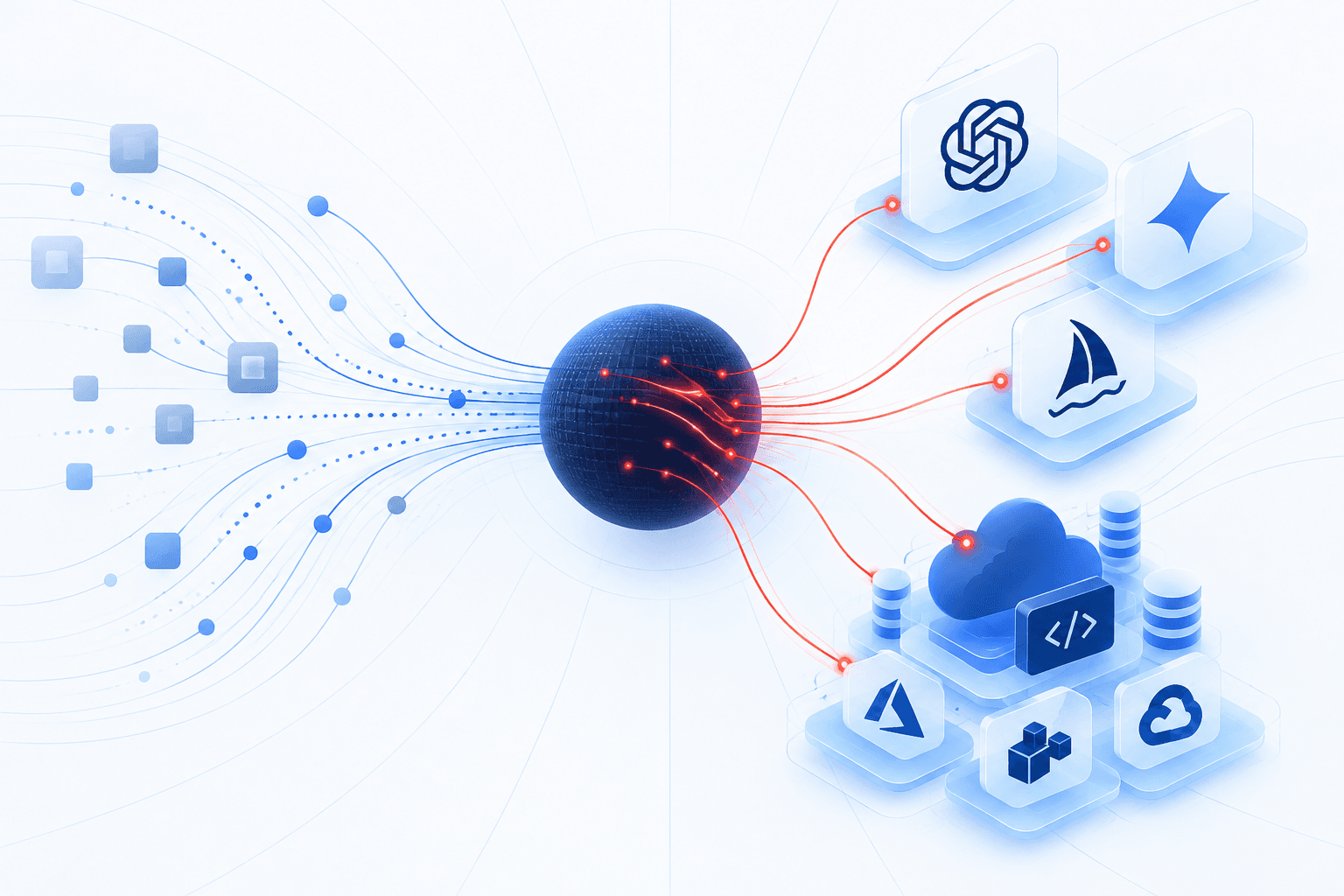
A newly observed infostealer named Aokigahara is targeting authentication files, session data, and settings from AI applications and developer tools alongside conventional browser, cryptocurrency wallet, messaging, and password-manager data. Check Point Research identified collection targeting Claude, ChatGPT Desktop, Codex, Cursor, Windsurf, GitHub Copilot, and Gemini CLI. The malware also collects Git credentials, SSH-related files, and AWS, Azure, and Google Cloud credentials and configuration data, potentially exposing source-code repositories and cloud resources. Earlier versions may have operated under the names Kamidere or Stygian.
Aokigahara uses configurable anti-analysis checks and an AES-encrypted configuration, then uploads stolen data in ZIP archives encrypted with AES-GCM using X25519-derived keys. Stolen AI access could support unauthorized paid-service use, account resale, or extortion involving sensitive conversations and files, although the operators’ actual monetization methods remain unconfirmed. For defenders, its collection scope underscores the need to treat compromised developer endpoints as potential AI-account, repository, and cloud incidents, revoking exposed sessions and rotating affected credentials rather than limiting remediation to browser passwords.