India’s SIM-Binding Rules Could Disrupt WhatsApp Access Without Registered SIMs
Regulatory & Policy · 2 sources · Updated 1mo ago · First seen Nov 28, 2025
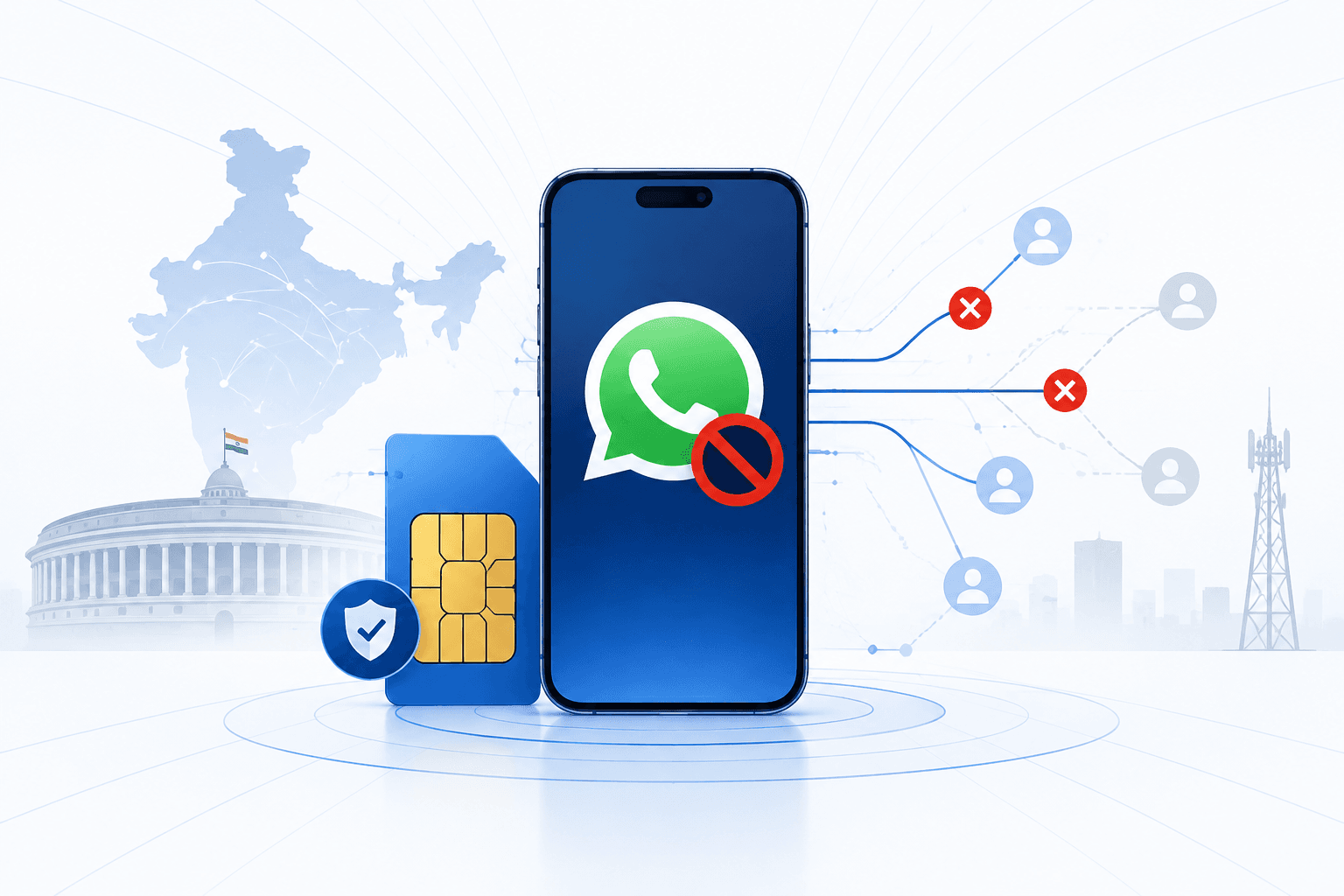
WhatsApp and other covered messaging services in India reportedly face a December 31, 2026, compliance deadline for SIM-binding requirements, with rollout expected on January 1, 2027. The rules require an ongoing connection between an account and the active SIM associated with its registered mobile number, rather than only initial SMS verification. India’s Department of Telecommunications issued the original directions on November 28, 2025, to curb remotely operated fraud and phishing accounts using Indian numbers. Removing or deactivating a registered SIM could interrupt service, with potential effects on secondary phones, tablets, and linked devices.
Recent reporting indicates that an original requirement to terminate web sessions every six hours has been replaced with risk-based logouts, although disruption will depend on each platform’s implementation. Organizations relying on messaging services should assess workflows involving linked devices or SIMs that are routinely removed or deactivated. SIM-binding does not prevent device-linking attacks such as GhostPairing or phishing that persuades users to authorize an attacker’s device; users should review linked devices and revoke unfamiliar sessions.
Why it matters
India’s reported SIM-binding requirements create an availability and workflow-continuity risk for organizations and users relying on Indian-number messaging accounts, particularly on secondary phones, tablets and linked devices. Platforms reportedly face a December 31, 2026, compliance deadline, with rollout expected January 1, 2027; disruption will depend on platform implementation rather than a confirmed simultaneous cutoff. The reporting describes a regulatory change, not a newly exploited vulnerability, and SIM-binding will not eliminate phishing or unauthorized device-linking attacks.
- Affected services named by the Department of Telecommunications (DoT): WhatsApp, Telegram, Signal, Snapchat, Arattai, ShareChat, Josh and JioChat.
- Higher-risk workflows: customer support, operational coordination and other business communications using removed or deactivated SIMs, companion devices, or frequently switched travel SIMs.
- Business consequences: interrupted messaging, unexpected session termination and increased support or account-recovery workload. The references do not establish data loss caused by the policy.
- Scope: potentially broad across covered services using Indian numbers, but device-specific enforcement remains unresolved. DoT states roaming is unaffected when the registered SIM remains in the handset.
- Fraud context: the government cited more than ₹22,800 crore in 2024 cyber-fraud losses; this is background context, not a loss estimate attributable to these requirements.