Japan Declares Cyber Emergency as Attacks Expose Shared-Infrastructure Risks
Breach & Incident Intelligence · 3 sources · Updated 9d ago · First seen Oct 27, 2026

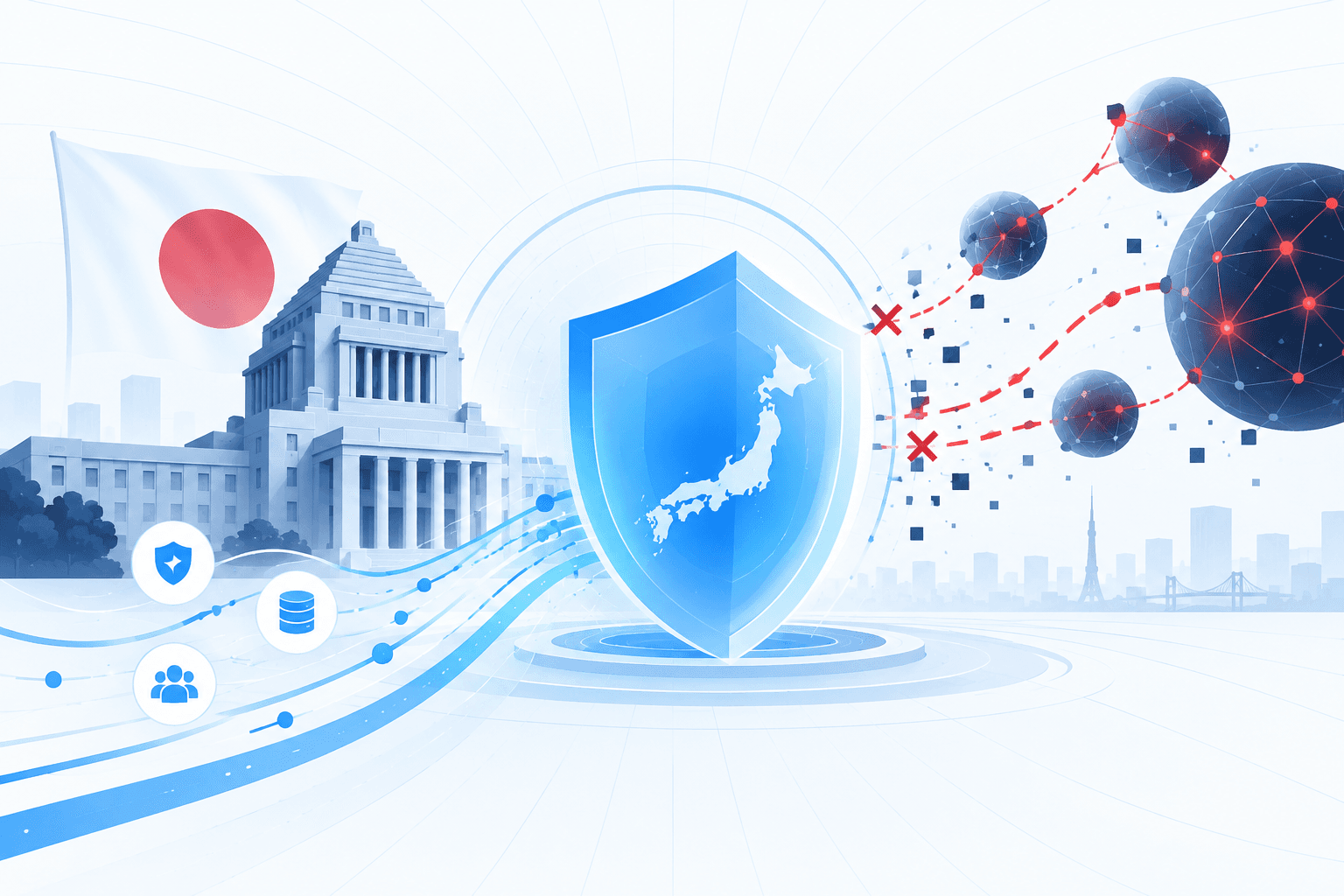
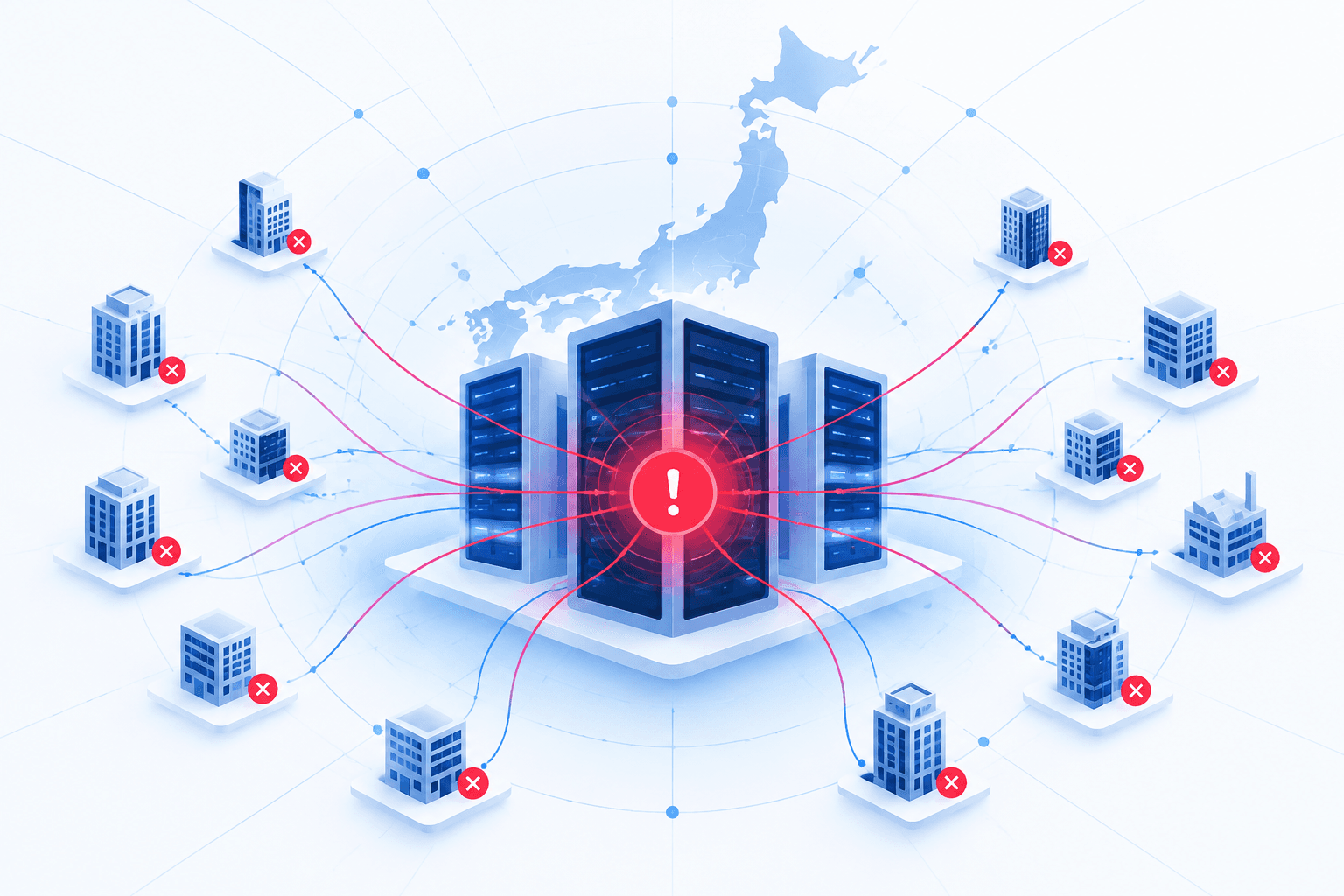
Japan’s NCHS cyber agency declared a national cybersecurity emergency following attacks affecting businesses and public institutions, including transport, internet services, retailers and police, according to ITPro. JR East reported the exposure of 1.67 million email addresses, while Times Car customers’ driving-licence scans were stolen. A ransomware attack on cloud provider IDC Frontier was linked to breaches at JR East and public-sector organizations, illustrating how compromises of shared infrastructure can cascade across customers. A secondary summary of ITPro’s reporting put the number of affected IDC Frontier customer companies at approximately 500; it does not provide independent corroboration.
Reported responses include moves toward active cyber defense and consideration of greater AI use in cybersecurity. The secondary summary also reported that a financial regulator asked banks to stop accepting driving licences as identification for opening accounts. Experts emphasized that an emergency declaration must deliver actionable intelligence, coordinated incident response, clear escalation channels and additional resources—not encourage reliance on government intervention. For enterprise security leaders, the incidents underscore the need to map cloud-provider dependencies and validate joint response arrangements. The supplied reporting identifies no threat actor, ransomware family or exploited vulnerability.