BOSSAI AI-Agent Platform Breaches Taiwan Emergency Services and Other Targets
Emerging Technology Risk · 7 sources · Updated 6h ago · First seen Nov 4, 2026
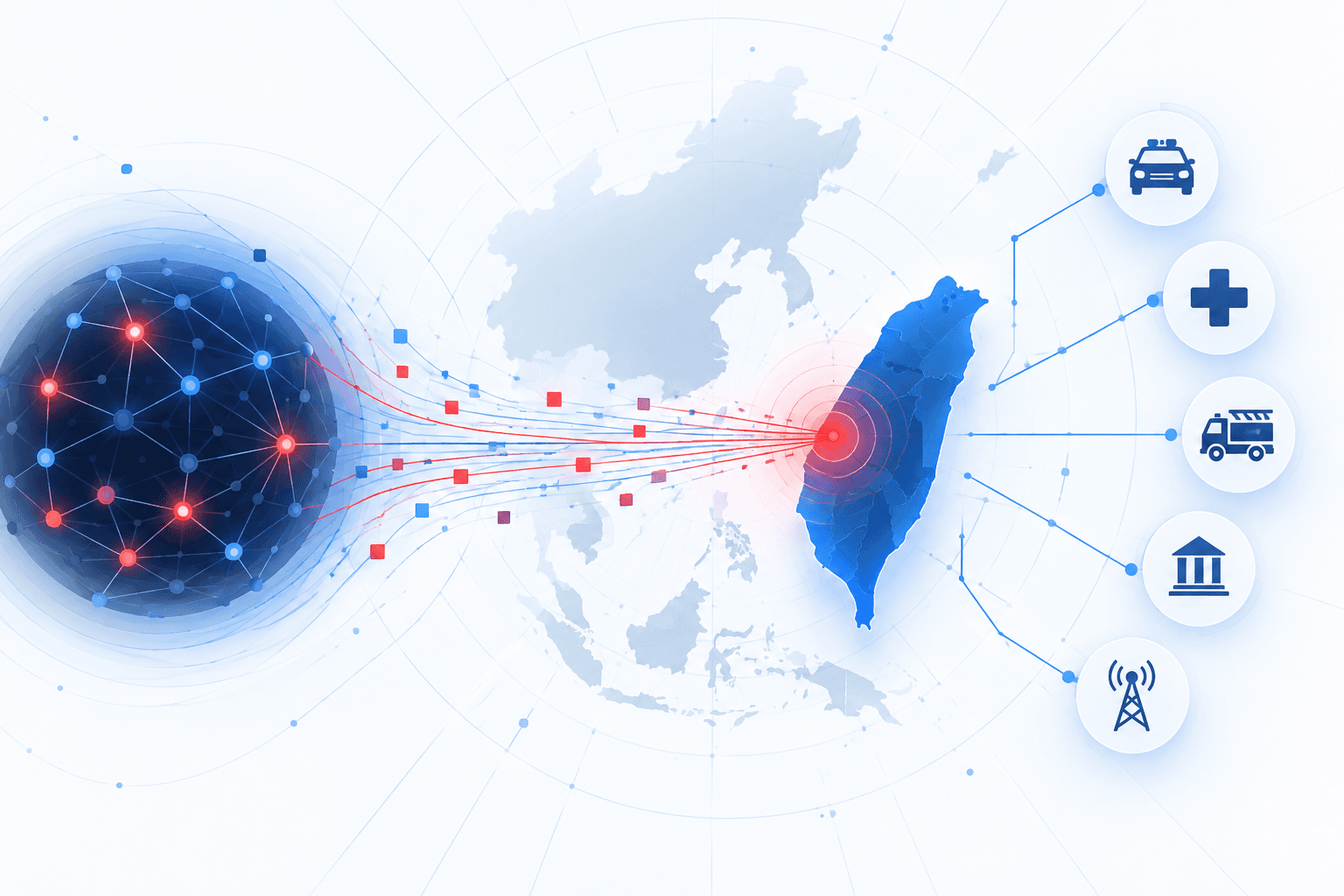
Acronis Threat Research Unit uncovered BOSSAI, a 12-agent AI-assisted attack platform used to target hundreds of organizations across 11 countries, including Taiwan’s emergency services and Thai universities. During a 12-day observation period, researchers confirmed data exfiltration or system access at roughly 10 targets across three countries. Stolen information included medical records, emergency-dispatch records, credentials and personal data; reported compromises also involved Mexican residential phone records. Acronis attributed the activity with high confidence to a suspected lone operator in Hualien City, Taiwan, citing reused business branding, a GitHub account and a home IP address. The operator’s motivation and affiliations remain unconfirmed.
Nine agents were active, supporting infrastructure setup, reconnaissance, exploit development and attacks, with the operator manually transferring results between them rather than running a fully autonomous operation. Commercial models largely assisted infrastructure development but refused explicit unauthorized attacks, prompting the operator to use locally hosted models with safety alignment removed for offensive tasks. The campaign exploited SQL injection, exposed APIs and services, weak or default credentials, and unpatched databases. Hallucinated vulnerabilities, false positives, tooling failures and operator scope decisions limited its effectiveness, while effective authentication and filtering blocked some attempts. The findings reinforce the importance of securing exposed services, eliminating default credentials, patching databases and monitoring sensitive-data access.