Mallory
← Back to News
internet-facing-service-vulnerabilityprivilege-escalation-methodidentity-authentication-vulnerabilityinitial-access-method

CWP2Shell Chains Ten Control Web Panel Flaws into Unauthenticated Root Execution

Vulnerability Disclosure · 9 sources · Updated 16d ago · First seen Nov 7, 2026
CWP2Shell Chains Ten Control Web Panel Flaws into Unauthenticated Root Execution

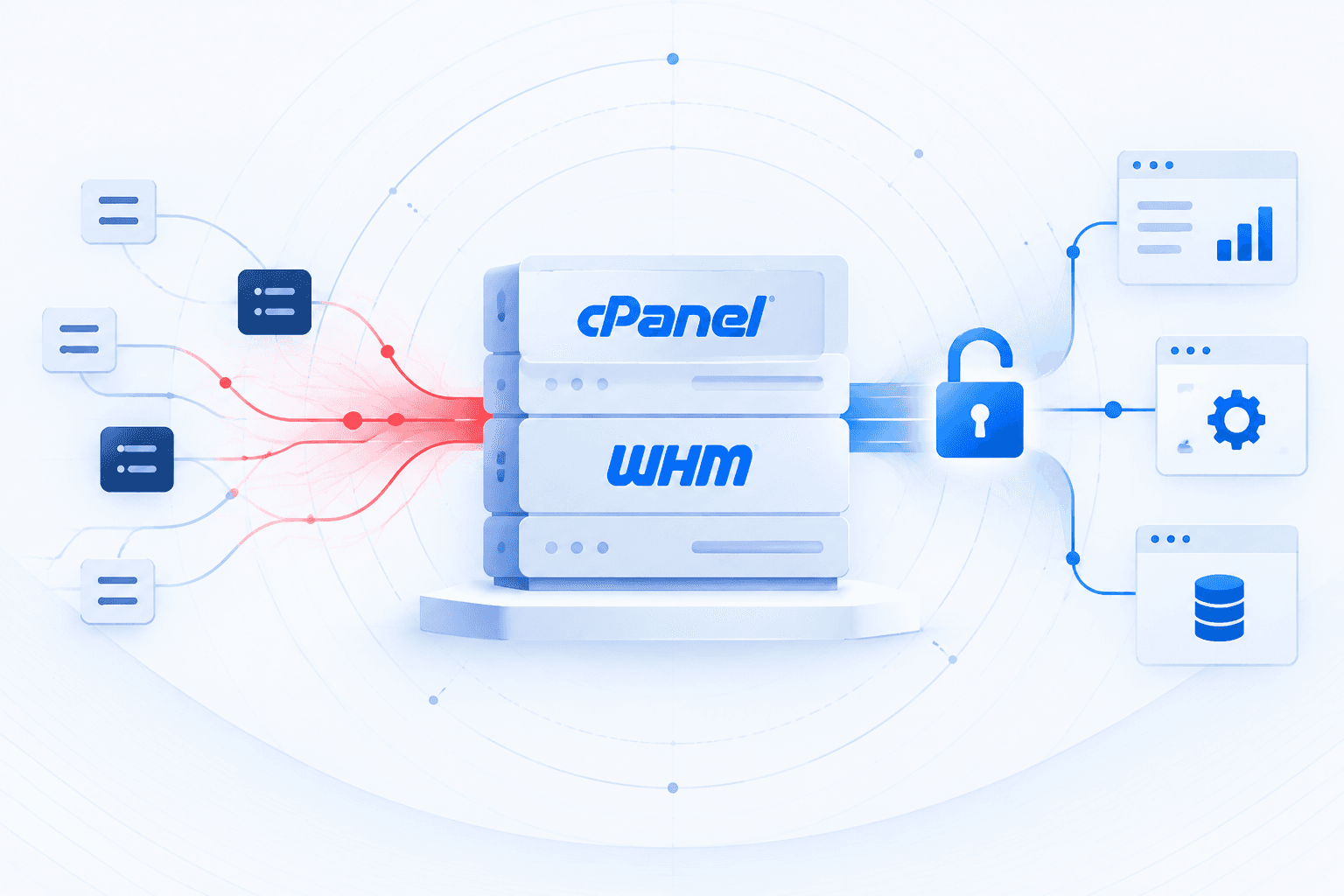
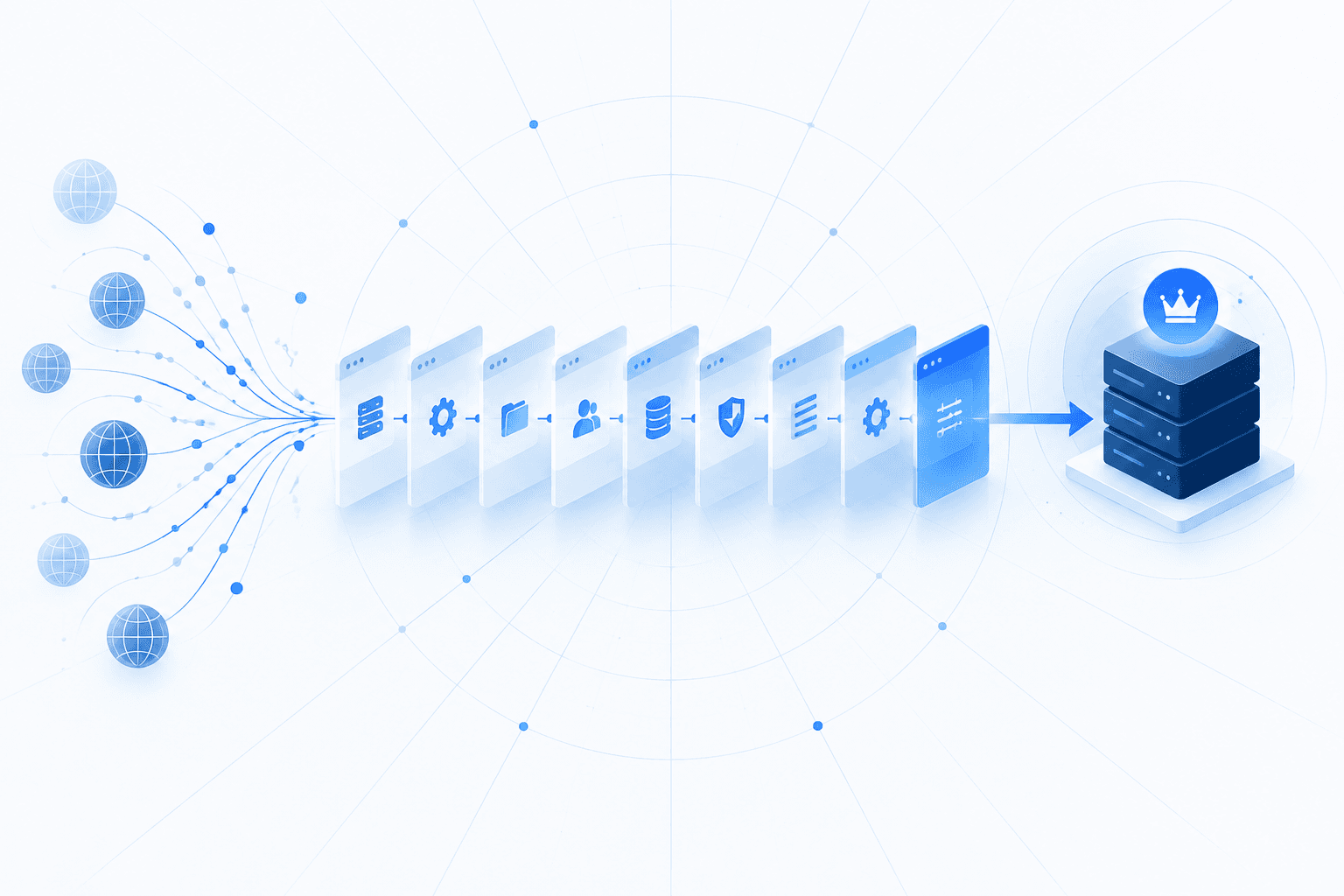
VulnCheck and researcher Chocapikk disclosed ten Control Web Panel (CWP) vulnerabilities that can be chained from unauthenticated access to root-level command execution using only a valid hosting-account name. Different HTTP responses allow attackers to confirm account names without logging in. A login redirect that fails to terminate execution leaves user-panel modules accessible, where file inclusion, arbitrary file writes, and command injection can provide execution as the hosting user. Vulnerabilities in a root-owned loopback API then enable privilege escalation or database disclosure. Researchers demonstrated the chain against CWP7 webpanel 1.8 on AlmaLinux 9, despite that build already containing the fix for the previously exploited CVE-2025-48703. The supplied disclosures do not establish exploitation of the new findings in the wild.

The findings include CVE-2026-73697 in the PHP configuration editor, CVE-2026-77877 for missing loopback API authentication, and root command-injection flaws CVE-2026-77878 and CVE-2026-104080 in database restoration and token validation. Fixes arrived incrementally: webpanel 1.12 closed the unauthenticated entry point, 1.16 fixed the editor vulnerabilities, and 1.29 reportedly addressed all ten findings. Researchers verified the complete fixes in 1.30; operators should use webpanel 1.30 or later as the remediation baseline, given inconsistent affected-version reporting and incomplete per-fix verification for 1.29. Restrict public access to user and administrative panels, investigate unexpected webshells, and monitor loopback API activity and anomalous root process execution. Access restrictions reduce exposure but do not replace patching.


Do you run this?See affected versions and whether adversaries are exploiting it.
Check your exposure
Event timeline

How this story unfolded

Events from the most recent confirmed update back to the earliest known activity.

9 events · Aug 15, 2025 – Nov 7, 2026
  1. Nov 7, 202617d ago

    Chocapikk publishes the CWP2Shell technical write-up

    Chocapikk published a technical analysis explaining the execution-after-redirect root cause, vulnerable user-panel modules, and loopback API escalation paths. The analysis showed why the earlier module-specific fix failed to repair the shared authentication boundary and documented the subsequent patch progression.

    CWP2Shell: The Login Page That Never Says No - Chocapikk's Cybersecurity Blog
  2. Reported Nov 7, 202617d ago

    VulnCheck verifies all ten fixes in decoded CWP 1.30

    VulnCheck examined decoded CWP 1.30 code and confirmed that all ten vulnerabilities were fixed without regressions. This supplied code-level verification beyond the changelog-based attribution of the final fixes to earlier releases.

    CWP2Shell: The Login Page That Never Says No - Chocapikk's Cybersecurity Blog
  3. Nov 3, 202621d ago

    VulnCheck publicly discloses ten CWP2Shell vulnerabilities

    Following vendor coordination and CVE allocation, VulnCheck disclosed ten vulnerabilities enabling unauthenticated hosting-user execution and subsequent root escalation through CWP's loopback API. The disclosure recommended upgrading to version 1.29 or later and did not report in-the-wild exploitation of the newly disclosed flaws.

    CWP2Shell: The Login Page That Never Says No - Chocapikk's Cybersecurity Blog
  4. Oct 31, 202624d ago

    CWP 1.29 completes the reported fixes for the ten-vulnerability chain

    CWP released version 1.29, by which VulnCheck reported all ten CWP2Shell vulnerabilities fixed following API hardening across versions 1.27 and 1.29. The allocation of the final fixes between those releases relied on vendor changelogs rather than independent decoding of both builds.

    CWP2Shell: The Login Page That Never Says No - Chocapikk's Cybersecurity Blog
  5. Sep 29, 20262mo ago

    CWP 1.16 fixes five additional vulnerabilities but leaves API escalation paths

    The CWP 1.16 build fixed CVE-2026-73695, CVE-2026-73697, CVE-2026-77876, CVE-2026-77879, and CVE-2026-77880 through module-path restrictions, confined file writes, and injection defenses. Four loopback API vulnerabilities remained exploitable through version 1.23.

    CWP2Shell: The Login Page That Never Says No - Chocapikk's Cybersecurity Blog
  6. Sep 8, 20263mo ago

    CWP 1.12 closes the unauthenticated module-execution entry point

    CWP released version 1.12 with a fix for CVE-2026-73696, terminating execution after login redirects and requiring a session before module inclusion. This closed unauthenticated initial access but left vulnerabilities accessible to authenticated hosting users.

    CWP2Shell: The Login Page That Never Says No - Chocapikk's Cybersecurity Blog
  7. Aug 18, 20263mo ago

    Researchers reproduce an unauthenticated-to-root chain on CWP 1.8

    Researchers reproduced the CWP2Shell chain against CWP7 webpanel 1.8 on AlmaLinux 9 in a Docker laboratory, requiring only a valid hosting-account name. The build blocked the published CVE-2025-48703 exploit but allowed execution through other user-panel modules followed by root escalation through the loopback API.

    CWP2Shell: The Login Page That Never Says No - Chocapikk's Cybersecurity Blog
  8. Nov 4, 20251y ago

    CISA adds CVE-2025-48703 to its exploited-vulnerability catalog

    CISA added the previously exploited CWP vulnerability CVE-2025-48703 to its Known Exploited Vulnerabilities catalog. This historical exploitation does not establish exploitation of the subsequently disclosed CWP2Shell vulnerabilities.

    CWP2Shell: The Login Page That Never Says No - Chocapikk's Cybersecurity Blog
  9. Aug 15, 20251y ago

    Previously exploited CWP flaw CVE-2025-48703 enters VulnCheck KEV

    VulnCheck added CVE-2025-48703 to its Known Exploited Vulnerabilities catalog. The earlier CWP module vulnerability was subsequently patched, but researchers later found that its shared authentication-boundary weakness remained exploitable through other modules.

    CWP2Shell: The Login Page That Never Says No - Chocapikk's Cybersecurity Blog
Mallory platform

See the full picture, correlated to your attack surface.

This page covers what’s public. Mallory adds the parts that aren’t: which of your assets are affected, which threat actors are using it right now, and what to deploy next.

Exposure mappingMap indicators from this story to your assets and identify affected systems in minutes.
Threat actor evidenceEvery observed campaign, victim, and pivot linked to actors named in this story.
Associated malwareMalware, exploits, and IOCs connected to the activity described here.
Detection signaturesYARA, Sigma, and Snort rules deployed to your SIEM as soon as they’re published.
Scheduled alertsGet matching new stories delivered to your team as they break, not the next morning.
AI threadsAsk questions about this story and take action on the answers.