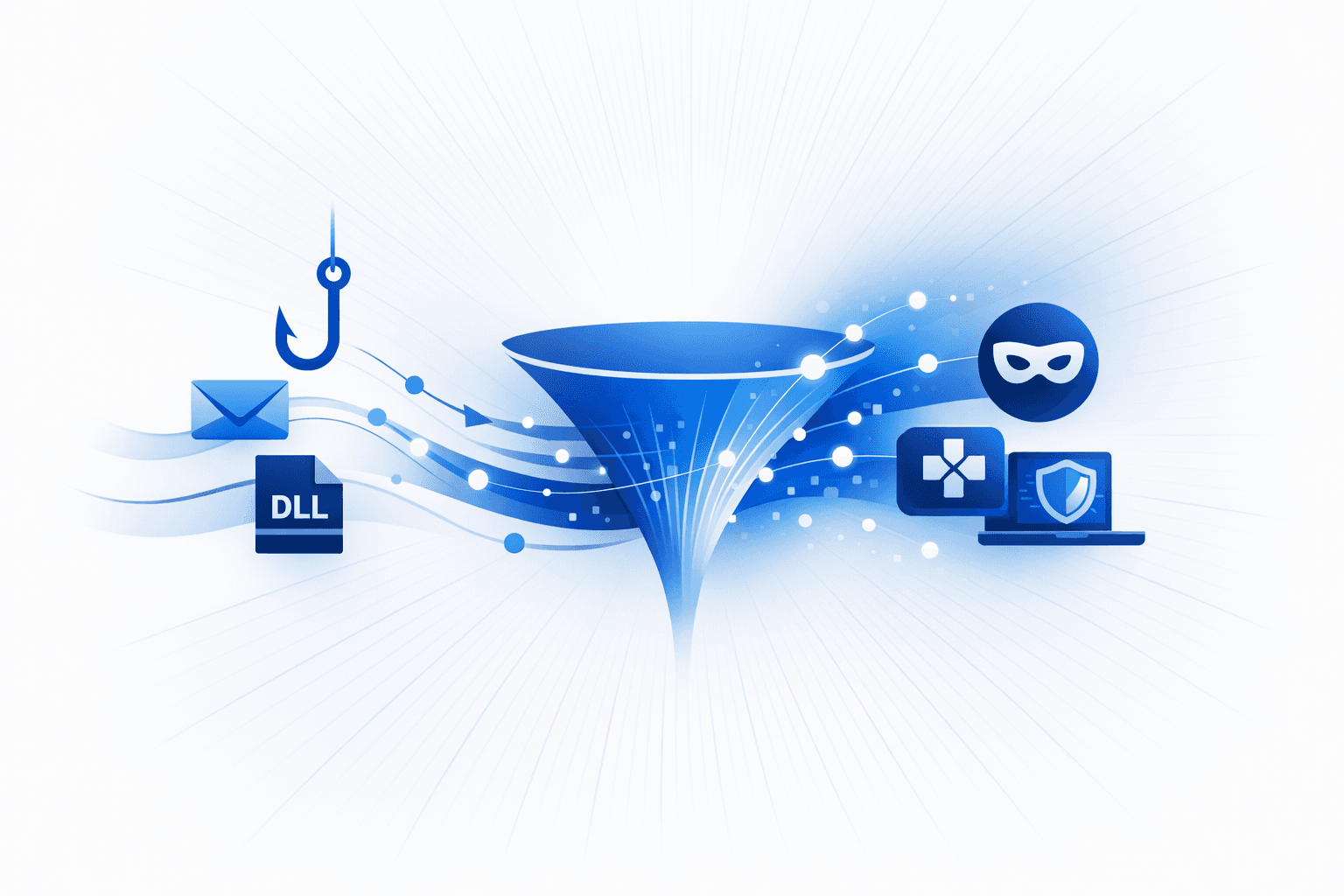
Mallory
← Back to News
remote-access-implantloader-delivery-mechanismdefense-evasion-methodcommand-and-control-method

SMOKEDHAM Backdoor Uses Signed Installers and Cloudflare Workers for Ransomware-Linked Access

Malware Intelligence · 2 sources · Updated 19d ago · First seen Nov 22, 2024
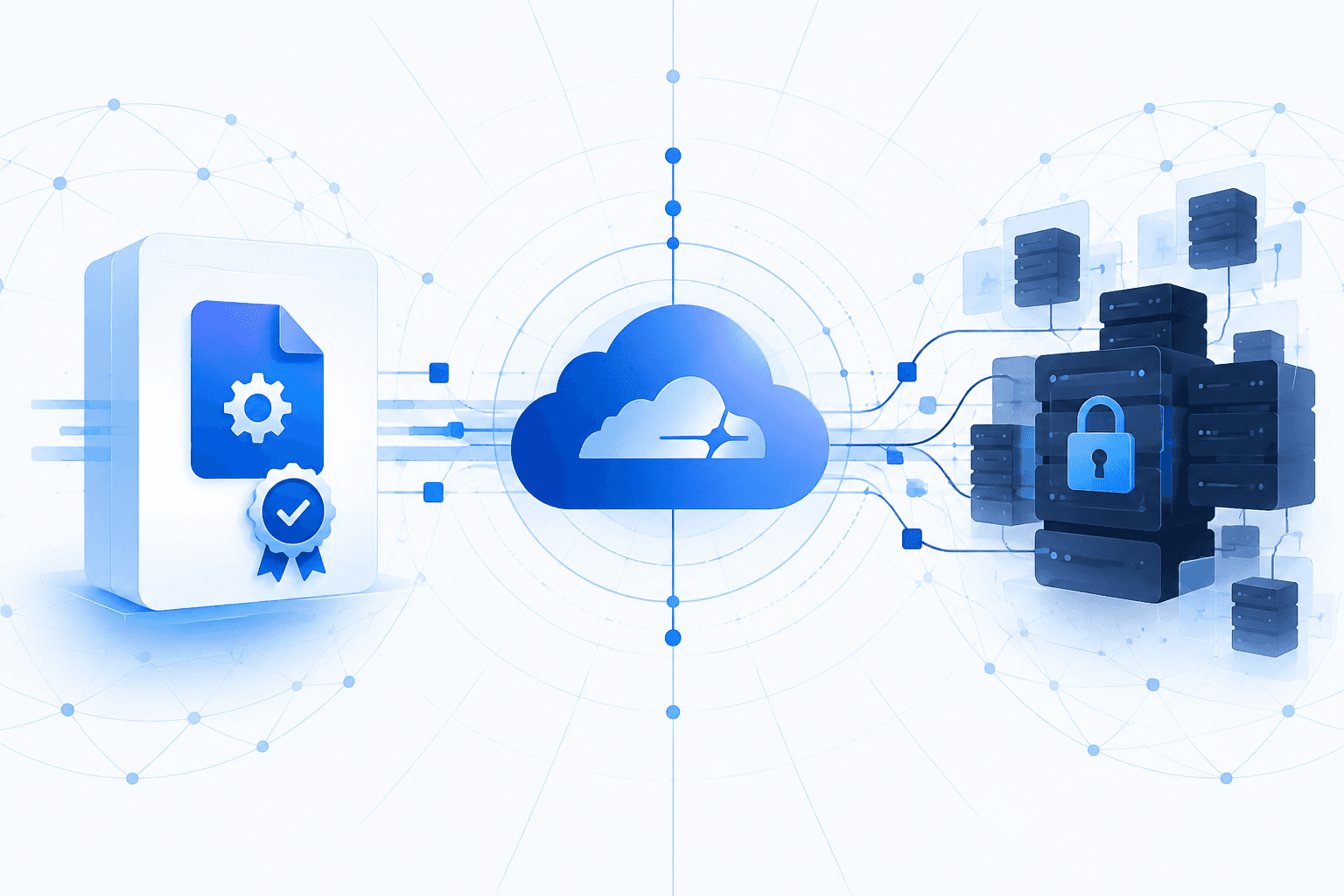
SMOKEDHAM Backdoor Uses Signed Installers and Cloudflare Workers for Ransomware-Linked Access

SMOKEDHAM, also known as ThunderShell, is an open-source backdoor used by financially motivated threat cluster UNC2465 to establish access through phishing, malvertising, trojanized installers, and supply-chain compromises. MalBearLabs documented an infection chain involving NSIS installers, obfuscated PowerShell, a .NET payload, registry persistence, and encrypted command-and-control traffic through Cloudflare Workers. Recent samples abused EV code-signing certificates and used DLL side-loading through oleview.exe. Observed post-compromise activity included movement to a domain controller and deployment of UltraVNC. UNC2465 activity has historically preceded DARKSIDE and LOCKBIT ransomware deployments, but the report did not establish ransomware deployment in the specific infection analyzed.

Mandiant’s separate analysis of DARKSIDE details the potential downstream impact: privilege escalation, deletion of Volume Shadow Copies, and disruption of backup, security, and database services before encryption of local disks, removable media, and network shares. A May 2021 variant established persistence as a Windows service with an eight-character hexadecimal name, also used as the encrypted-file extension. Its ransom notes claimed data theft, although such claims do not independently confirm exfiltration. Defenders should prioritize investigation of installer-launched PowerShell, unexpected oleview.exe activity, suspicious Cloudflare Workers communications, and unauthorized UltraVNC deployment—particularly on domain controllers. The reports provide complementary hunting queries, indicators, certificate details, and YARA rules for identifying backdoor access and ransomware-related activity.

Why it matters

SMOKEDHAM provides attackers remote command execution and persistent access to Windows environments; the analyzed intrusion included movement to a domain controller and unauthorized UltraVNC deployment, creating substantial risk of credential compromise and domain-wide disruption. UNC2465 has historical links to DARKSIDE and LOCKBIT ransomware, but ransomware deployment was not established in this infection; Mandiant’s separate DARKSIDE analysis describes potential downstream encryption and recovery impairment, not confirmed outcomes here. These are historical reports, and the supplied evidence does not establish ongoing activity as of November 2026.

  • Industry-specific impact is not established. A CCTV vendor’s website and Windows application were compromised to distribute SMOKEDHAM to customers, but the supplied content does not establish a sufficiently specific industry classification for affected organizations or customers. Impersonated software brands do not establish compromise of those vendors. MalBearLabs
  • Geography-specific impact is not established. Neither report identifies affected operations or victim populations in a particular country or region; cloud infrastructure locations and malware language checks do not establish victim geography.
  • Scope and severity: Distribution through phishing, malvertising, and trojanized installers creates exposure beyond a single organization, but victim counts are unavailable. The observed domain-controller access indicates serious enterprise compromise; DARKSIDE ransom-note claims of data theft do not independently confirm exfiltration. Mandiant
Hunt this familyPull IOCs and campaign context straight into your stack.
Get the IOCs
Event timeline

How this story unfolded

Events from the most recent confirmed update back to the earliest known activity.

9 events · 2019 – 2023
  1. Reported Nov 22, 20242y ago

    Researchers report EV code-signing certificate misuse to issuers

    Researchers found recent samples carrying EV certificates naming Guan Clean Technology Company Limited and JBMC Software Inc. They reported the certificate misuse to the respective issuers, GlobalSign and SSL.com.

    Who Ordered the SMOKEDHAM? Backdoor Delicacies in the Wild
  2. Reported Nov 22, 20242y ago

    Newer SMOKEDHAM installers adopt oleview.exe DLL side-loading

    Researchers identified newer installers containing legitimate oleview.exe and malicious aclui.dll variants that execute PowerShell payloads through DLL side-loading. These installers replaced shortcut-based persistence with a Run-key value named UpdateOleview pointing to oleview.exe.

    Who Ordered the SMOKEDHAM? Backdoor Delicacies in the Wild
  3. Reported Nov 22, 20242y ago

    Attackers use WMI to execute commands on a domain controller

    Approximately six hours after malicious execution on the beachhead host, attackers used WMI to execute commands on domain controller 10.5.20.2. They attempted to stage or launch oleview.exe and Microsoft.AnyKey.lnk under C:\ProgramData\Microsoft\LogUpdateWindows.

    Who Ordered the SMOKEDHAM? Backdoor Delicacies in the Wild
  4. Reported Nov 22, 20242y ago

    Attackers conduct reconnaissance and deploy UltraVNC

    Observed post-compromise activity included systeminfo execution, enumeration of user directories, and retrieval of a Dropbox-hosted script named vnc.t. The script deployed UltraVNC disguised as winlogon.exe and launched a reverse connection to an attacker-controlled endpoint on port 443.

    Who Ordered the SMOKEDHAM? Backdoor Delicacies in the Wild
  5. Reported Nov 22, 20242y ago

    Analyzed installer deploys SMOKEDHAM through an obfuscated execution chain

    In the analyzed infection, an NSIS installer staged a decoy Angry IP Scanner installer and used batch files, obfuscated PowerShell, and compiled C# to launch a .NET SMOKEDHAM payload. The chain established Run-key persistence through Microsoft.AnyKey.lnk and used a Cloudflare Workers command-and-control endpoint.

    Who Ordered the SMOKEDHAM? Backdoor Delicacies in the Wild
  6. 2023

    UNC2465 distributes trojanized software through malvertising

    Late-2023 UNC2465 campaigns used malvertising to distribute trojanized software installers carrying SMOKEDHAM.

    Who Ordered the SMOKEDHAM? Backdoor Delicacies in the Wild
  7. May 2021

    DARKSIDE variant adds Windows service persistence

    A DARKSIDE variant observed in May 2021 added internal persistence by installing and launching itself as a Windows service, unlike earlier versions that required external persistence tooling. The variant also changed ransom-extension generation to use MachineGuid and expanded its list of targeted services.

    Shining a Light on DARKSIDE Ransomware Operations | Google Cloud Blog
  8. May 2021

    UNC2465 compromises CCTV vendor to distribute SMOKEDHAM

    UNC2465 compromised a CCTV vendor's website and trojanized a Windows application used to manage security feeds. The compromised software distributed SMOKEDHAM to the vendor's customers.

    Who Ordered the SMOKEDHAM? Backdoor Delicacies in the Wild
  9. 2019

    SMOKEDHAM backdoor first observed

    SMOKEDHAM, also known as ThunderShell, was observed in use beginning in 2019. Mandiant associates distribution of the open-source backdoor with financially motivated threat cluster UNC2465.

    Who Ordered the SMOKEDHAM? Backdoor Delicacies in the Wild
Linked entities

Related entities

Vulnerabilities, threat actors, malware, products, organizations, breaches, and observables Mallory has linked to this story. Indicator values are masked here and available in full in the app.

Open in app →

Threat actors

1 linked

Affected products

2 linked
RvtoolsAdvanced Ip Scanner

Organizations

2 linked
Guan Clean Technology Company LimitedJBMC Software Inc.

Observables

102 linked

Indicator values are masked on this page. View all 102 in Mallory Domains, IPs, hashes, and URLs are exportable to your SIEM.

Do you run this?Pull the IOCs, campaigns, and victimology behind this family, ready to push into your SIEM and EDR.
Hunt This Malware
Mallory platform

See the full picture, correlated to your attack surface.

This page covers what’s public. Mallory adds the parts that aren’t: which of your assets are affected, which threat actors are using it right now, and what to deploy next.

Exposure mappingMap indicators from this story to your assets and identify affected systems in minutes.
Threat actor evidenceEvery observed campaign, victim, and pivot linked to actors named in this story.
Associated malwareMalware, exploits, and IOCs connected to the activity described here.
Detection signaturesYARA, Sigma, and Snort rules deployed to your SIEM as soon as they’re published.
Scheduled alertsGet matching new stories delivered to your team as they break, not the next morning.
AI threadsAsk questions about this story and take action on the answers.