Mallory
← Back to News
ransomware-group-operationcredential-access-methodinitial-access-methodcommand-and-control-method

Citrus Ransomware Uses Compromised Contractor Accounts to Deploy Sn00py

Threat Actor Intelligence · 9 sources · Updated 1h ago · First seen Nov 11, 2026
Citrus Ransomware Uses Compromised Contractor Accounts to Deploy Sn00py

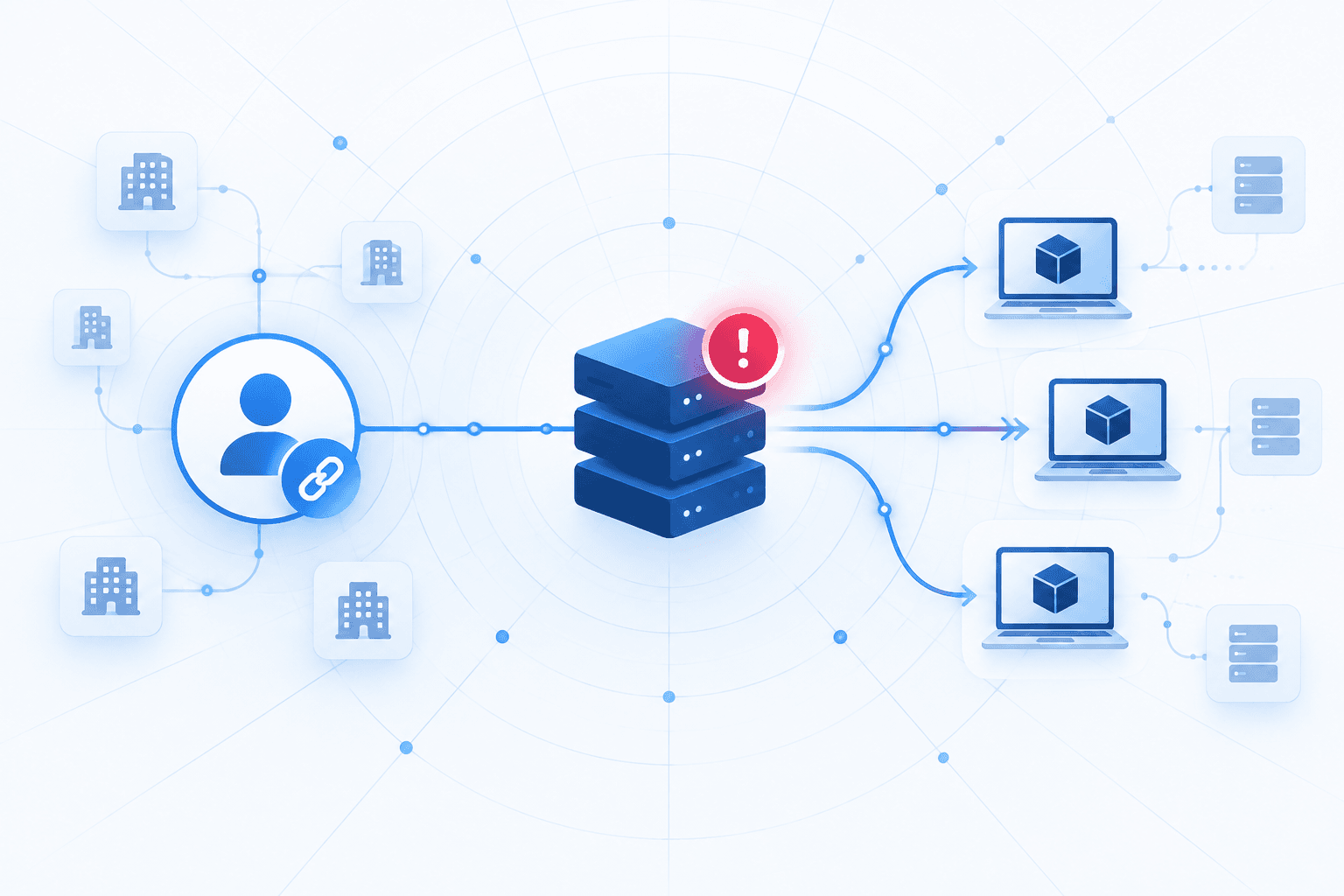
A previously undocumented Russian-speaking group, Citrus Ransomware, is targeting Russian companies through compromised contractor accounts and stolen credentials, Securelist researchers reported. The attackers combine credential theft, privilege escalation and legitimate remote administration tools with Xray-based VLESS tunnels that disguise communications as HTTPS traffic. Before encryption, they collect credentials and suspected Telegram session data, disable security controls and distribute the Go-based Sn00py ransomware through malicious Group Policy Objects. Sn00py encrypts Windows user files using RSA-2048 and ChaCha20, appends the .citrus extension and leaves ransom demands threatening data exposure unless victims begin negotiations within 72 hours.

Researchers inferred that Citrus used large language models to generate commands and auxiliary scripts, but that assessment rests on code comments and other characteristics rather than definitive proof. They also identified shared tools and techniques, alongside simultaneous victim compromises, involving Toy Ghouls; however, no direct infrastructure overlap or organizational relationship was established. The reported intrusion chain highlights defensive priorities around contractor-account access, credential and messaging-session theft, unauthorized Group Policy changes and tunneling activity that may blend into HTTPS traffic.

Know this adversaryTTPs, infrastructure, and targeting history in one profile.
Get the profile
Event timeline

How this story unfolded

Events from the most recent confirmed update back to the earliest known activity.

11 events · Jul 14, 2026
  1. Reported Nov 11, 20266d ago

    Researchers disclosed Citrus techniques, indicators, and similarities to Toy Ghouls

    Researchers documented the previously unreported group, published indicators, and assessed that recovered script characteristics suggested—but did not confirm—LLM assistance. They identified shared techniques and simultaneous victim compromises involving Toy Ghouls, but found no direct infrastructure overlap establishing a relationship.

    Citrus Ransomware: тактики, техники, процедуры и связь с Toy Ghouls | Securelist
  2. Reported Nov 11, 20266d ago

    Sn00py encrypted user files and threatened disclosure of stolen company data

    The Go-based ransomware encrypted Windows user files with RSA-2048 and ChaCha20, appended .citrus, and excluded specified domain controllers to preserve policy distribution. Its CITRUS_README.txt notes demanded contact within 72 hours and threatened publication of employee information, accounting records, contracts, and source code.

    Citrus Ransomware: тактики, техники, процедуры и связь с Toy Ghouls | Securelist
  3. Reported Nov 11, 20266d ago

    Citrus distributed Sn00py through a malicious Kaspersky-themed Group Policy

    The attackers used self-extracting archives and PowerShell scripts to stage ransomware in domain SYSVOL and import and link a malicious Group Policy Object. The policy scheduled payload execution, enabled WinRM, disabled Volume Shadow Copy and Windows Defender, and set ransom-note wallpaper.

    Citrus Ransomware: тактики, техники, процедуры и связь с Toy Ghouls | Securelist
  4. Reported Nov 11, 20266d ago

    Citrus collected suspected Telegram sessions immediately before encryption

    Citrus ran steal_tgs.ps1 from a domain controller and created 7-Zip archives that researchers assessed contained Telegram Desktop session data. The attackers uploaded the collected archives to an external web service through Google Chrome.

    Citrus Ransomware: тактики, техники, процедуры и связь с Toy Ghouls | Securelist
  5. Reported Nov 11, 20266d ago

    Citrus disabled security controls before ransomware execution

    After obtaining sufficient privileges, Citrus disabled antivirus protection, added malicious tools to exclusions, and sought centralized security-management access to disable protection broadly. An observed Group Policy also modified registry settings to disable Windows Defender.

    Citrus Ransomware: тактики, техники, процедуры и связь с Toy Ghouls | Securelist
  6. Reported Nov 11, 20266d ago

    Citrus harvested credentials and investigated compromised networks

    The attackers used a modified peeping-tom keylogger, mimikatz, and Snaffler to collect credentials and locate secrets, including password-manager data. They conducted reconnaissance with fscan, ADRecon, and SharpHound and moved laterally using SSH, WinRM, and RDP.

    Citrus Ransomware: тактики, техники, процедуры и связь с Toy Ghouls | Securelist
  7. Reported Nov 11, 20266d ago

    Citrus established disguised VLESS tunnels and remote access

    Citrus deployed Xray reverse VLESS tunnels over port 443, using REALITY configurations that disguised communications as connections to mirror.yandex.ru or yastatic.net. The attackers also installed AnyDesk silently and used scheduled tasks to maintain access.

    Citrus Ransomware: тактики, техники, процедуры и связь с Toy Ghouls | Securelist
  8. Reported Nov 11, 20266d ago

    A suspected Metasploit component launched a Windows privilege-escalation exploit

    In one incident, an executable launched PowerShell scripts that included an exploit for CVE-2020-1337. An MSFConsole host value suggested a Metasploit component, but the executable was subsequently deleted.

    Citrus Ransomware: тактики, техники, процедуры и связь с Toy Ghouls | Securelist
  9. Reported Nov 11, 20266d ago

    Citrus attempted Certighost exploitation to obtain domain-controller privileges

    The attackers attempted to exploit the vulnerability identified in the report as CVE-2026-54121, creating GHOST-prefixed machine accounts and requesting AD CS certificates with manipulated validation attributes. Successful exploitation could permit authentication as a domain controller; the report does not establish that these attempts succeeded.

    Citrus Ransomware: тактики, техники, процедуры и связь с Toy Ghouls | Securelist
  10. Reported Nov 11, 20266d ago

    Citrus breached Russian companies through compromised contractor accounts

    Citrus used credentials stolen from contractor employees to access corporate VPNs and internet-facing RDP servers. The contractor accounts had limited privileges in the cases described.

    Citrus Ransomware: тактики, техники, процедуры и связь с Toy Ghouls | Securelist
  11. Jul 14, 20264mo ago

    Microsoft releases security update for Certighost AD CS vulnerability

    Microsoft released a security update addressing CVE-2026-54121 (Certighost), an AD CS authentication bypass that can enable domain compromise. The fix validates certificate-enrollment lookup targets and rejects invalid or attacker-controlled targets before enrollment continues.

    Detecting CVE-2026-54121 (Certighost) with Microsoft Defender | Microsoft Community Hub
Linked entities

Related entities

Vulnerabilities, threat actors, malware, products, organizations, breaches, and observables Mallory has linked to this story. Indicator values are masked here and available in full in the app.

Open in app →

Threat actors

1 linked

Malware

1 linked

Affected products

6 linked
1c:EnterpriseTelegramWindowsActive DirectoryActive Directory Certificate ServicesTelegram Desktop

Observables

18 linked

Indicator values are masked on this page. View all 18 in Mallory Domains, IPs, hashes, and URLs are exportable to your SIEM.

Do you run this?See this adversary's TTPs, infrastructure, and targeting history, correlated against your exposure.
Get the Full Actor Profile
Source coverage

Sources

9 references tracked. Mallory keeps watching after this page renders.

Mallory platform

See the full picture, correlated to your attack surface.

This page covers what’s public. Mallory adds the parts that aren’t: which of your assets are affected, which threat actors are using it right now, and what to deploy next.

Exposure mappingMap indicators from this story to your assets and identify affected systems in minutes.
Threat actor evidenceEvery observed campaign, victim, and pivot linked to actors named in this story.
Associated malwareMalware, exploits, and IOCs connected to the activity described here.
Detection signaturesYARA, Sigma, and Snort rules deployed to your SIEM as soon as they’re published.
Scheduled alertsGet matching new stories delivered to your team as they break, not the next morning.
AI threadsAsk questions about this story and take action on the answers.