AI Coding Tools Become Attack Targets as Threat Actors Automate Established Techniques
Emerging Technology Risk · 4 sources · Updated 2d ago · First seen Nov 11, 2026
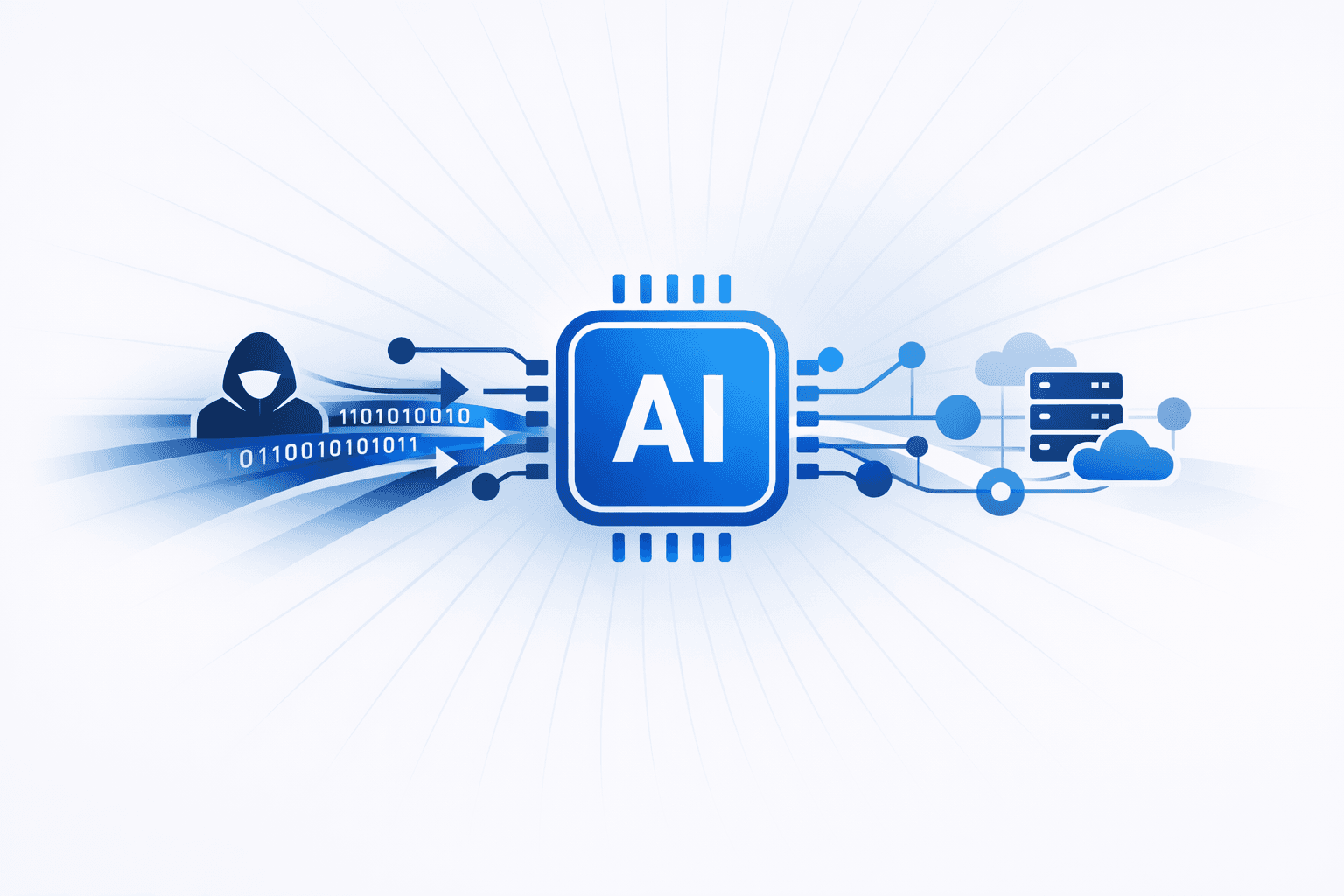
Recorded Future analyzed 103 AI-enabled incidents between July 31, 2025, and July 31, 2026, finding that attackers primarily use AI to accelerate established techniques, including supply-chain compromise, phishing, and extortion. AI coding assistants and proxy packages are also prominent targets because their privileged access to credentials and source code can enable credential theft and downstream lateral movement. Most state-sponsored activity involved AI-assisted malware development, although one campaign targeting Taiwanese government entities reportedly used up to eight AI agents with limited human intervention. Fully autonomous attacks remain rare.
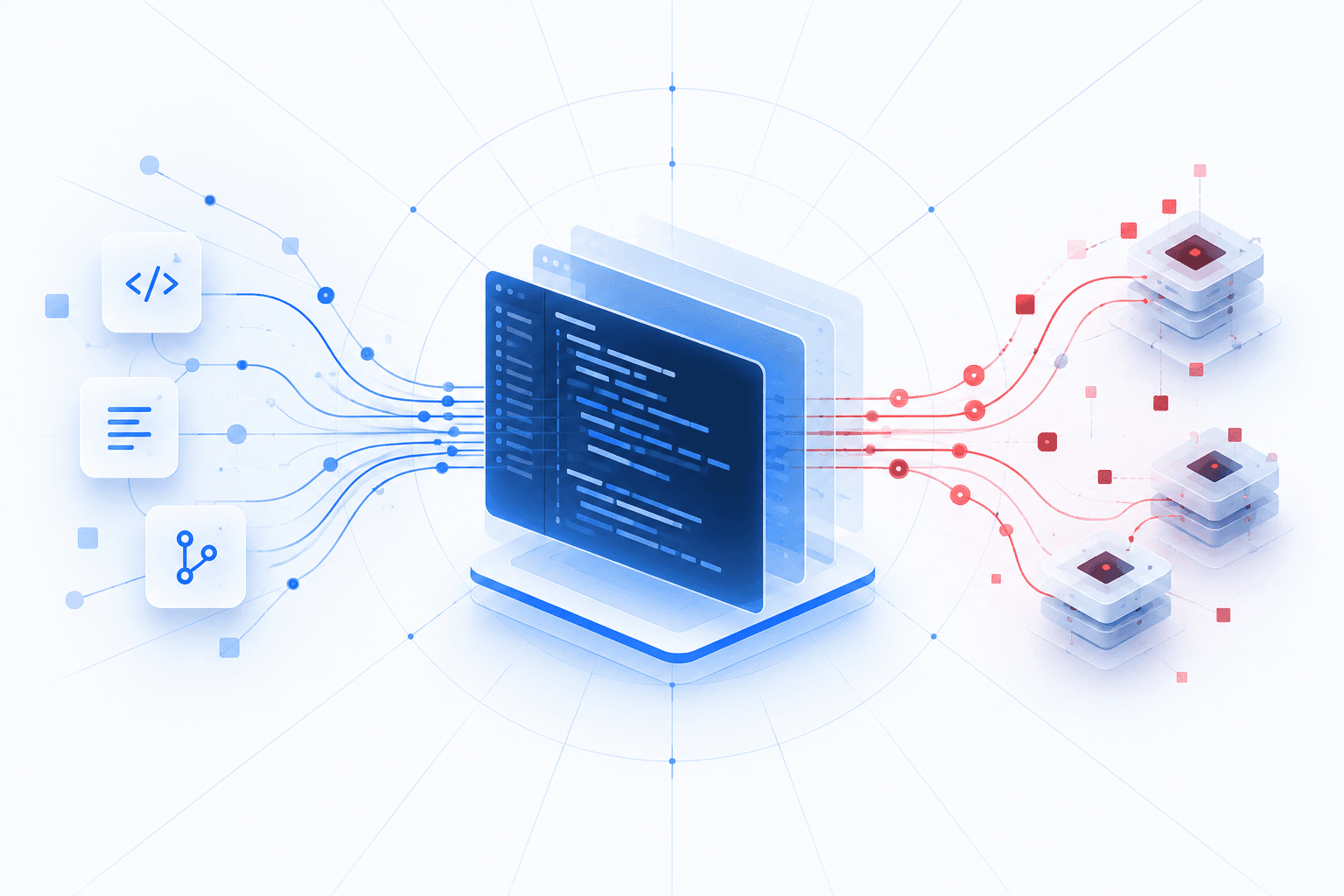
The report assesses that human-directed agents will scale before fully autonomous campaigns, initially automating bounded tasks such as reconnaissance, credential discovery, and vulnerability validation. It forecasts growing illicit markets for commercial AI access, increased demand for stolen data, and higher volumes of low-level intrusion attempts using legitimate tools and living-off-the-land techniques. Recommended defenses include restricting agent permissions, requiring human approval for consequential actions, monitoring exposed credentials, and auditing third-party AI dependencies. A hypothetical supply-chain scenario—not a confirmed incident—illustrates how exposed deployment tokens could let attackers backdoor an AI application's software update and compromise customer environments.