Microsoft Tightens Security Accountability and Engineering Controls Under Secure Future Initiative
Patch & Detection Intelligence · 4 sources · Updated 6d ago · First seen Sep 11, 2026
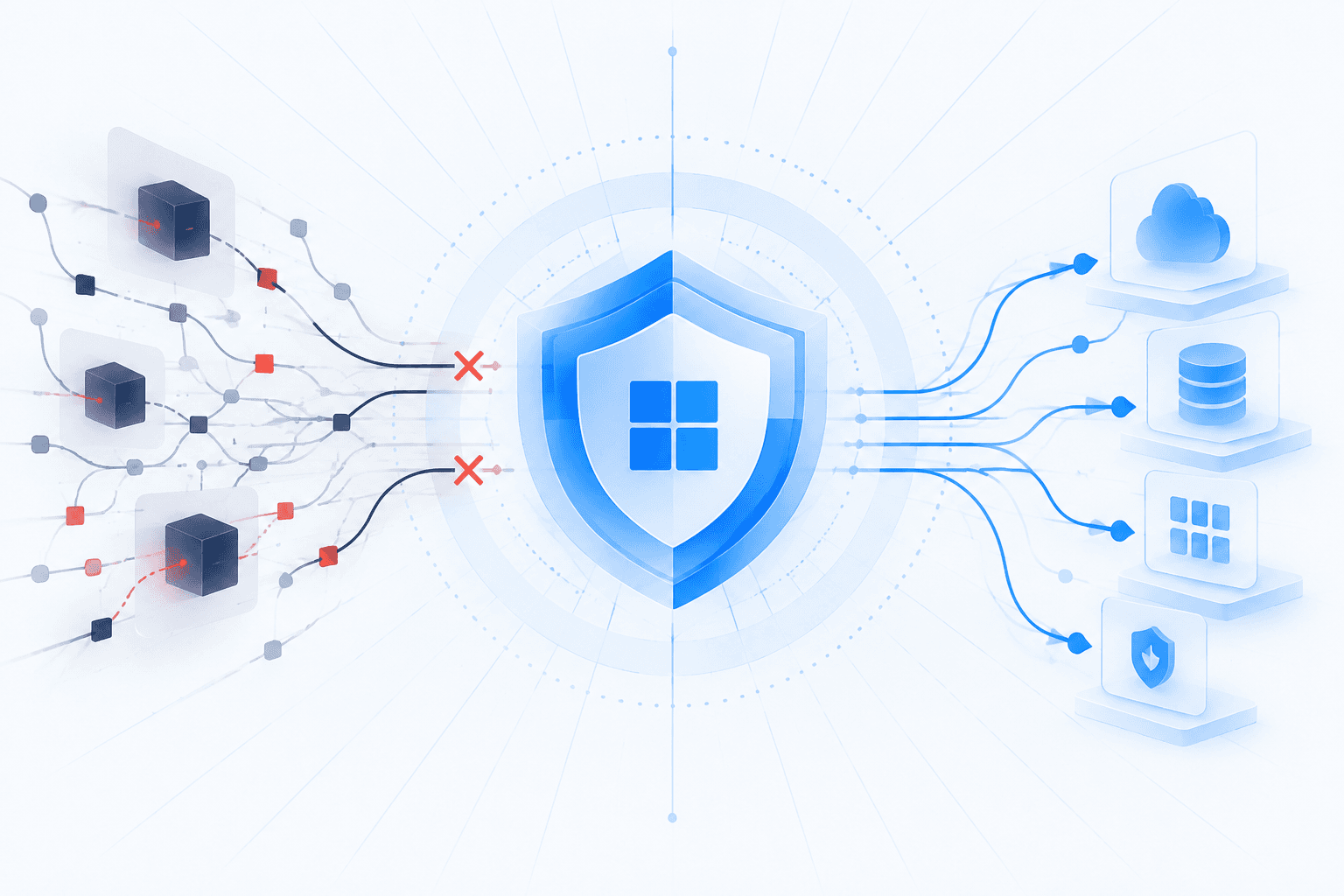
Microsoft says its Secure Future Initiative is reshaping software development through employee accountability, earlier security reviews, stronger engineering controls and secure defaults. Launched in November 2023 after high-profile breaches, the multiyear program ties security contributions to performance reviews and uses cross-business governance to prioritize security over release pressures. Changes include mandatory multifactor authentication for Azure, disabling potentially risky capabilities by default, stronger token-signing protections and greater production-system isolation. Microsoft says signing-service improvements help mitigate suspected attack vectors used by Storm-0558 in its 2023 attack. The company is also deploying its MDASH agentic code scanner, which it says has identified critical remote-code-execution vulnerabilities in Windows components and vulnerabilities in open-source dependencies.
Microsoft’s progress reports describe substantial investment and measurable—but incomplete—results. Its April 2025 report cited engineering effort equivalent to 34,000 engineers working full-time for 11 months, more than 200 added threat detections and 180 cloud and AI vulnerabilities identified through Zero Day Quest. By November 2025, Microsoft reported 99.6% phishing-resistant MFA coverage for employees and devices, 99.5% live-secret detection and remediation in code, and centralized tracking of more than 98% of critical production infrastructure. It reported a 72% success rate against shortened vulnerability-mitigation timelines, underscoring remaining remediation gaps. These measures are self-reported and can change as objectives expand. External analysts acknowledge progress but warn that AI release pressures, limited specialist staffing and persistent product vulnerabilities could undermine sustained improvements; customers should continue independent patching and configuration oversight.