StrikeStub RAT Uses ClickFix PowerShell Lures to Steal Credentials and Control Windows Hosts
Malware Intelligence · 2 sources · Updated 5d ago · First seen Nov 12, 2026
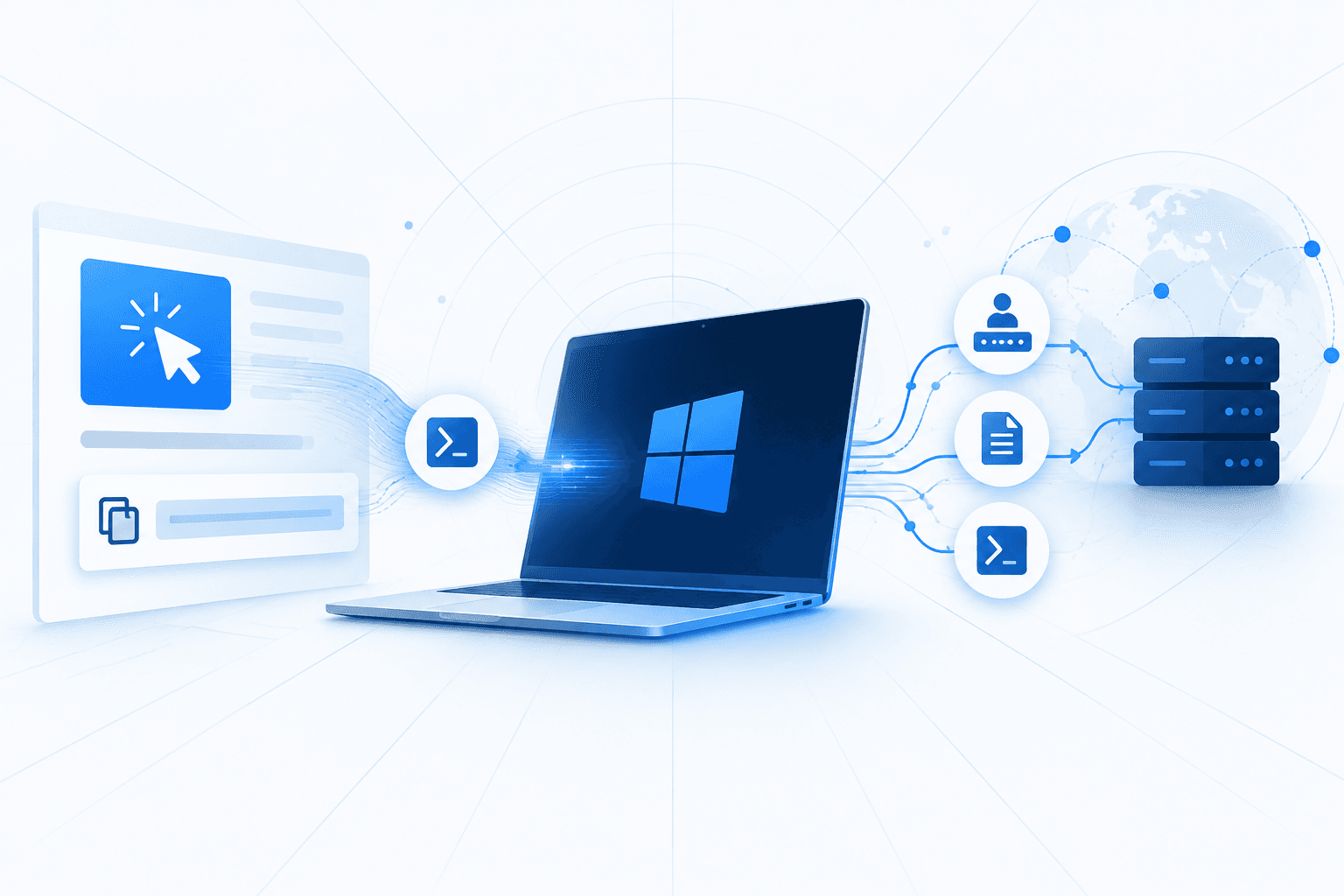
Akamai researchers identified a modular Windows remote access trojan and credential stealer delivered through a ClickFix campaign on the compromised website spiraldirect.ch. Visitors are tricked into executing a clipboard-delivered PowerShell command that downloads and launches the malware. The payload impersonates RuntimeBroker.exe and WindowsUpdate.exe, encrypts operational strings, and uses WebSocket command-and-control communications with a configuration-supplied server address. Its embedded User-Agent, StrikeStub/1.0, suggests the name StrikeStub, although researchers have not confirmed its precise family identity. Capabilities include hidden desktop control, keylogging, webcam and desktop capture, clipboard monitoring, browser credential theft, and deployment of additional embedded payloads.
The malware establishes persistence through Registry Run keys and Startup-folder placement. Akamai assesses that it likely comes from a commercial or malware-as-a-service builder ecosystem, but the actual command-and-control endpoint and its relationship to a companion sample remain unresolved. Defenders should prioritize detecting browser-to-PowerShell execution chains, investigating suspicious use of the impersonated process names, and reviewing both persistence locations. Microsoft's documentation explains that Windows DPAPI's CryptUnprotectData function typically requires the same user credentials and computer used to encrypt protected data; those restrictions should not be treated as a safeguard against credential-stealing malware already executing in the victim's user context.