Mallory
← Back to News
ransomware-group-operationoperational-disruptionpersistence-methodremote-access-implant

Ransomware Intrusion Devastates ESXi Hosts and Backups Through VMware Management Access

Threat Actor Intelligence · 9 sources · Updated 1d ago · First seen Nov 13, 2026
Ransomware Intrusion Devastates ESXi Hosts and Backups Through VMware Management Access

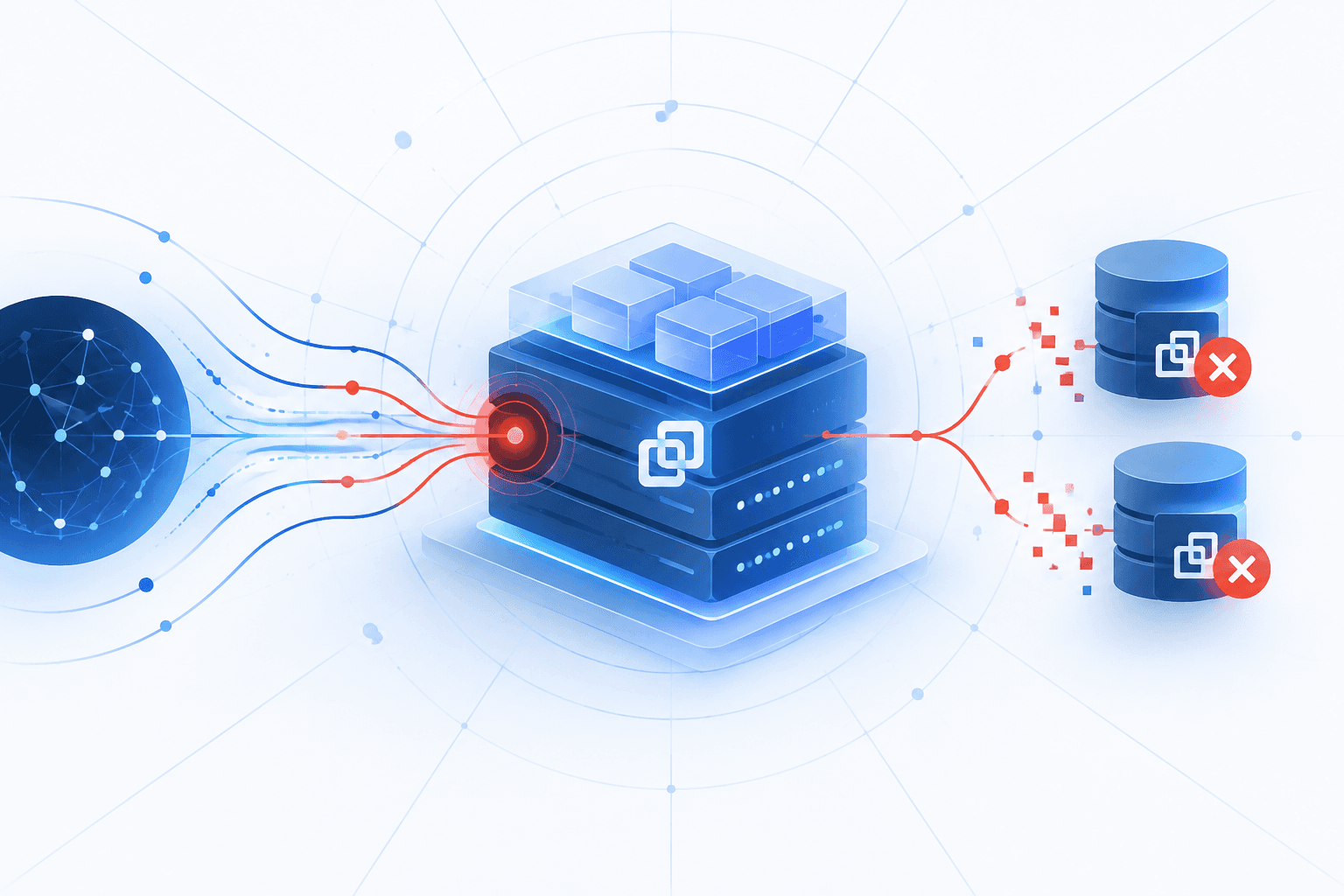
A 10-day ransomware intrusion devastated an unnamed organization’s four ESXi hosts, their virtual machines, both vCenter Server Appliances, and connected backup infrastructure, according to Kaspersky’s Global Emergency Response Team. The attackers used stolen credentials and legitimate VMware management interfaces rather than exploiting virtualization vulnerabilities. Ransom notes identified BlackNevas, but investigators could not confirm the malware family through binary analysis because the ESXi payload was unavailable.

The attackers established persistence on vCenter using MeshAgent and Ligolo-ng, abused Host Profiles to enable SSH on ESXi hosts, and disrupted recovery infrastructure before delivering and testing an ESXi payload. Subsequent destructive operations included overwriting approximately the first 2 KB of virtual disk files. The incident underscores the need to treat vCenter as Tier 0 infrastructure, separate production and recovery identities, correlate management-plane activity, and preserve virtualization logs outside the environment attackers could compromise.

Know this adversaryTTPs, infrastructure, and targeting history in one profile.
Get the profile
Event timeline

How this story unfolded

Events from the most recent confirmed update back to the earliest known activity.

13 events · Nov 2024
  1. Reported Nov 16, 20262d ago

    BO Team plants DNS-triggered backdoor on VMware hypervisor

    BO Team planted a script on a VMware hypervisor that ran hourly to check for a signal to download malware. Changing a DNS record could activate the backdoor.

    TheHackersNews: The backdoor could be activated by changing a DNS record. BO Team planted a script that ran hourly on the VMware hyperv...
  2. Reported Nov 13, 20265d ago

    Kaspersky reconstructs the 10-day intrusion and assesses attribution

    Kaspersky's Global Emergency Response Team reconstructed a 10-day intrusion affecting four ESXi hosts, every hosted virtual machine, both vCenter Server Appliances, and all connected backup infrastructure, finding no evidence of virtualization-layer exploitation. Ransom notes identified BlackNevas, but the unavailable ESXi binary prevented confirmation through hashing or reverse engineering.

    ESXi ransomware: why it is dangerous and how to defend against it | Securelist
  3. Reported Nov 13, 20265d ago

    ESXi payload executes destructive operations against VMFS storage

    The attackers ran the ESXi payload against /vmfs/ with wipe-related options. Investigators found ._wipe artifacts across datastores and evidence that approximately the first 2 KB of virtual disk files had been overwritten, potentially damaging boot and partition metadata.

    ESXi ransomware: why it is dangerous and how to defend against it | Securelist
  4. Reported Nov 13, 20265d ago

    Attackers upload and self-test the ESXi payload

    The attackers delivered the payload through SFTP, staged it as /tmp/esx64, made it executable, and ran a /selftest operation lasting approximately 16 seconds. The test occurred about three hours before final detonation; authentication logs recorded an SSH client identifier associated with Bitvise's FlowSsh library.

    ESXi ransomware: why it is dangerous and how to defend against it | Securelist
  5. Reported Nov 13, 20265d ago

    All virtual machines on the disaster-recovery host stop within 23 seconds

    Every virtual machine on the disaster-recovery host stopped within a 23-second interval. Investigators could not determine the exact termination technique.

    ESXi ransomware: why it is dangerous and how to defend against it | Securelist
  6. Reported Nov 13, 20265d ago

    Recovery infrastructure sabotaged before ESXi payload deployment

    The attackers stopped backup services, encrypted recovery infrastructure, and disrupted administrative access before the ESXi detonation. The investigation described recovery disruption as preceding delivery and testing of the ESXi payload.

    ESXi ransomware: why it is dangerous and how to defend against it | Securelist
  7. Reported Nov 13, 20265d ago

    Compromised vCenter used to access ESXi hosts over SSH

    Subsequent direct SSH connections to ESXi originated from the compromised vCenter appliance's IP address. This allowed the attackers to operate through a normally trusted management-network source.

    ESXi ransomware: why it is dangerous and how to defend against it | Securelist
  8. Reported Nov 13, 20265d ago

    Host Profiles abused to enable SSH on ESXi hosts

    The attackers used vCenter Host Profiles to change TSM-SSH configuration and enable SSH on target ESXi hosts. Configuration inspection was followed by a configuration push 10 minutes and 18 seconds later, with TSM-SSH reaching RUNNING another 33 seconds afterward.

    ESXi ransomware: why it is dangerous and how to defend against it | Securelist
  9. Reported Nov 13, 20265d ago

    Ligolo-ng installed as a persistent service on vCenter

    Approximately four hours later, the attackers returned through MeshAgent and installed Ligolo-ng as a persistent systemd service named vmware-vdma. The service masqueraded as VMware housekeeping and used api.cloudvflare[.]com:443 as its command-and-control endpoint.

    ESXi ransomware: why it is dangerous and how to defend against it | Securelist
  10. Reported Nov 13, 20265d ago

    Attackers install MeshAgent on disaster-recovery vCenter

    The attackers authenticated as root over SSH to the disaster-recovery vCenter appliance and deployed MeshAgent through a shell script 43 seconds later. The initial SSH session lasted 2 minutes and 26 seconds, with no subsequent attacker SSH access to that appliance observed.

    ESXi ransomware: why it is dangerous and how to defend against it | Securelist
  11. Reported Nov 13, 20265d ago

    Attackers disable antivirus in the backup environment

    The adversary disabled antivirus protection in the backup environment days before the main attack, weakening defenses around recovery infrastructure.

    ESXi ransomware: why it is dangerous and how to defend against it | Securelist
  12. Reported Nov 13, 20265d ago

    Stolen credentials enable access across infrastructure tiers

    Attackers obtained credentials from non-virtualization systems that enabled access to the vCenter Server Appliances. They also gained administrative execution on backup infrastructure and extracted stored credentials, creating a bridge to other infrastructure tiers.

    ESXi ransomware: why it is dangerous and how to defend against it | Securelist
  13. Nov 2024

    BlackNevas ransomware group first observed

    BlackNevas was first observed in November 2024. Ransom notes in the subsequently investigated ESXi incident identified this group, although investigators could not confirm the attribution at the binary level.

    ESXi ransomware: why it is dangerous and how to defend against it | Securelist
Linked entities

Related entities

Vulnerabilities, threat actors, malware, products, organizations, breaches, and observables Mallory has linked to this story. Indicator values are masked here and available in full in the app.

Open in app →

Threat actors

1 linked

Malware

1 linked

Affected products

3 linked
Vcenter Server ApplianceVmware EsxiVmware Vcenter Server

Observables

12 linked

Indicator values are masked on this page. View all 12 in Mallory Domains, IPs, hashes, and URLs are exportable to your SIEM.

Do you run this?See this adversary's TTPs, infrastructure, and targeting history, correlated against your exposure.
Get the Full Actor Profile
Mallory platform

See the full picture, correlated to your attack surface.

This page covers what’s public. Mallory adds the parts that aren’t: which of your assets are affected, which threat actors are using it right now, and what to deploy next.

Exposure mappingMap indicators from this story to your assets and identify affected systems in minutes.
Threat actor evidenceEvery observed campaign, victim, and pivot linked to actors named in this story.
Associated malwareMalware, exploits, and IOCs connected to the activity described here.
Detection signaturesYARA, Sigma, and Snort rules deployed to your SIEM as soon as they’re published.
Scheduled alertsGet matching new stories delivered to your team as they break, not the next morning.
AI threadsAsk questions about this story and take action on the answers.