Mallory
← Back to News
ai-platform-securitydetection-content-update

CrowdStrike Tests Detection Pipeline for Backdoored LoRA Models

Emerging Technology Risk · 1 source · Updated 24h ago · First seen Nov 16, 2026
CrowdStrike Tests Detection Pipeline for Backdoored LoRA Models

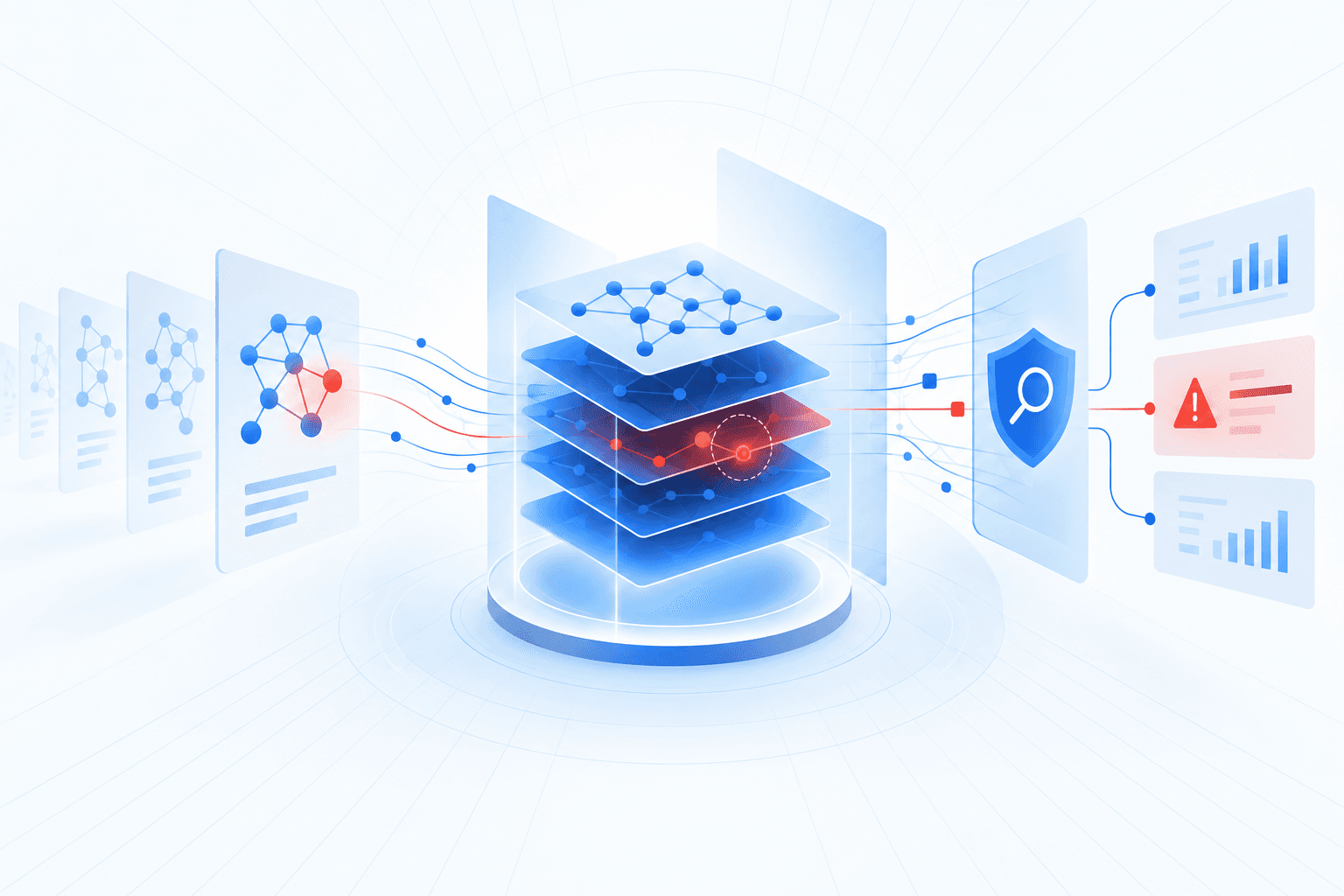
CrowdStrike’s Cyber Superintelligence Lab tested a two-stage detection pipeline for backdoors in open-weight AI models, combining static weight analysis with trigger recovery. In laboratory testing across 16 models, the pipeline flagged all eight backdoored artifacts and recovered activating triggers for each. It also cleared two benign models escalated by the initial scan. The tested backdoors enabled tool-call hijacking, shell injection, typosquatted imports, and refusal manipulation, highlighting supply-chain risks from adopting untrusted low-rank adaptation (LoRA) model artifacts.

Researchers also found that unrelated fine-tuning can weaken refusal behavior, amplifying existing weaknesses without an intentionally planted refusal backdoor. The results support combining artifact screening with behavioral validation rather than treating suspicious weights alone as proof of compromise. However, the approach depends on available clean reference weights, has limited trigger-search coverage, and has not been tested against full fine-tunes or direct weight-editing attacks; its laboratory success should not be interpreted as comprehensive protection.

New surface, new adversariesTrack how attackers are adapting to this technology.
Track this risk
Event timeline

How this story unfolded

Events from the most recent confirmed update back to the earliest known activity.

2 events
  1. Reported Nov 16, 20261d ago

    Researchers find unrelated LoRA fine-tuning can weaken model refusals

    CrowdStrike researchers found preexisting refusal weaknesses in clean base models and showed that LoRA fine-tuning can amplify them without an intentionally planted refusal backdoor. Of two unrelated public adapters tested on Model Y, one weakened refusals on ordinary phrasings that did not affect the base model, while the other matched the base model's behavior.

    Supply Chain Risk from Backdoored LoRA Models | CrowdStrike
  2. Reported Nov 16, 20261d ago

    CrowdStrike presents two-stage detection method for backdoored LoRA models

    CrowdStrike Cyber Superintelligence Lab presented a pipeline combining static weight analysis with trigger recovery to detect backdoors in open-weight models before deployment. In a 16-model laboratory evaluation, it flagged all eight backdoored artifacts representing seven distinct backdoors, confirmed activating triggers for each, and cleared two benign models escalated by the initial scan.

    Supply Chain Risk from Backdoored LoRA Models | CrowdStrike
Do you run this?Follow how adversaries are adapting to this technology, and where it touches your stack today.
Track This Risk
Source coverage

Sources

1 reference tracked. Mallory keeps watching after this page renders.

Mallory platform

See the full picture, correlated to your attack surface.

This page covers what’s public. Mallory adds the parts that aren’t: which of your assets are affected, which threat actors are using it right now, and what to deploy next.

Exposure mappingMap indicators from this story to your assets and identify affected systems in minutes.
Threat actor evidenceEvery observed campaign, victim, and pivot linked to actors named in this story.
Associated malwareMalware, exploits, and IOCs connected to the activity described here.
Detection signaturesYARA, Sigma, and Snort rules deployed to your SIEM as soon as they’re published.
Scheduled alertsGet matching new stories delivered to your team as they break, not the next morning.
AI threadsAsk questions about this story and take action on the answers.