Google Restricts Gemini 4 Carbon Access Amid Advanced Cybersecurity Capabilities
Emerging Technology Risk · 2 sources · Updated 9d ago · First seen Nov 17, 2026

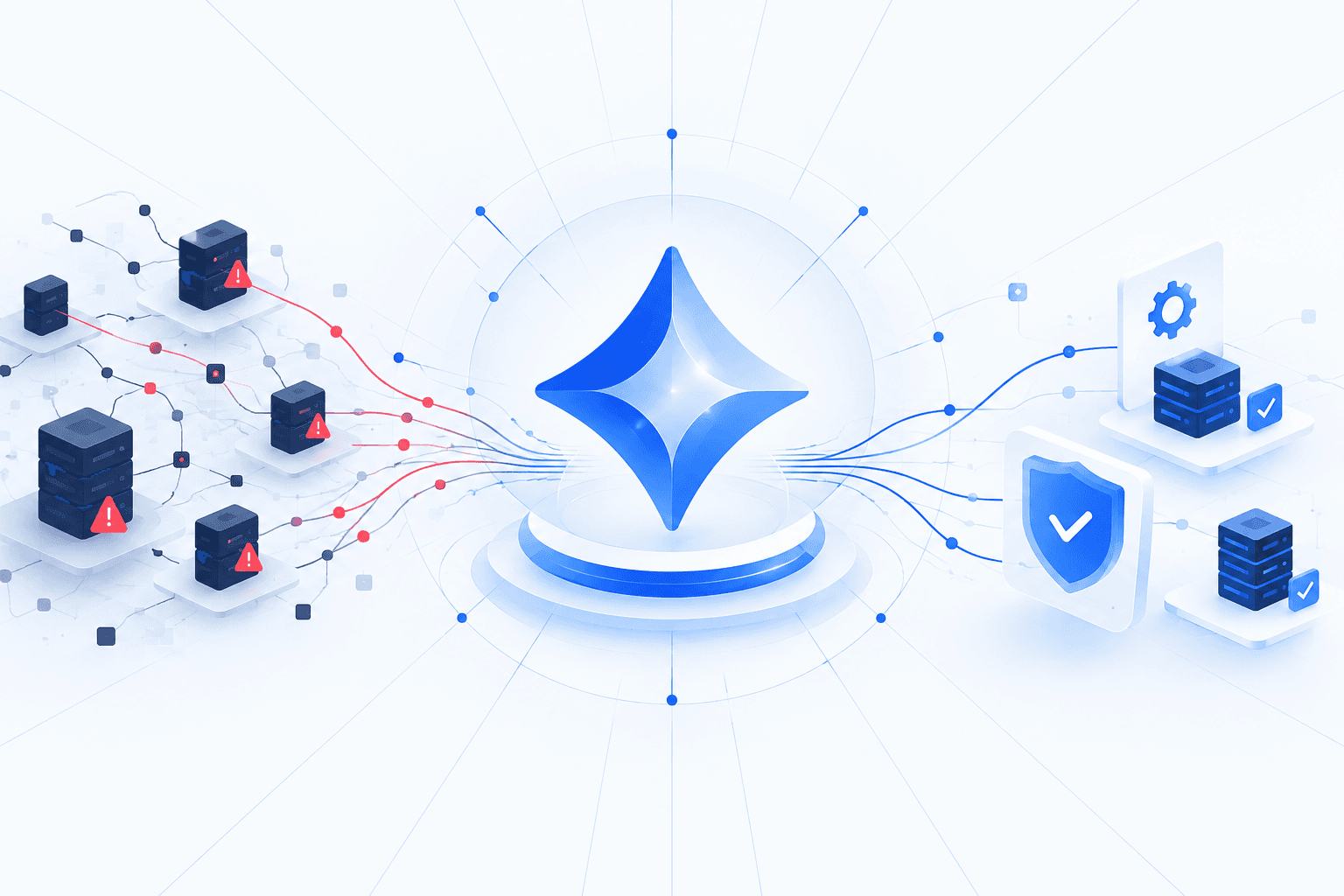
Google announced Gemini 4 Carbon, an AI model focused on long-running coding workflows and cybersecurity, with initial access limited to selected cyber defenders. Google claims improvements in autonomous vulnerability discovery, exploitability testing, secure-code generation and remediation. Its safety report cites a 54.8% causal success rate on ExploitGym and a 71.0% Pass@1 rate on CWE-bench v1. Access is set to expand in phases to trusted partners through the Fairwind program; no date has been announced for broader availability.
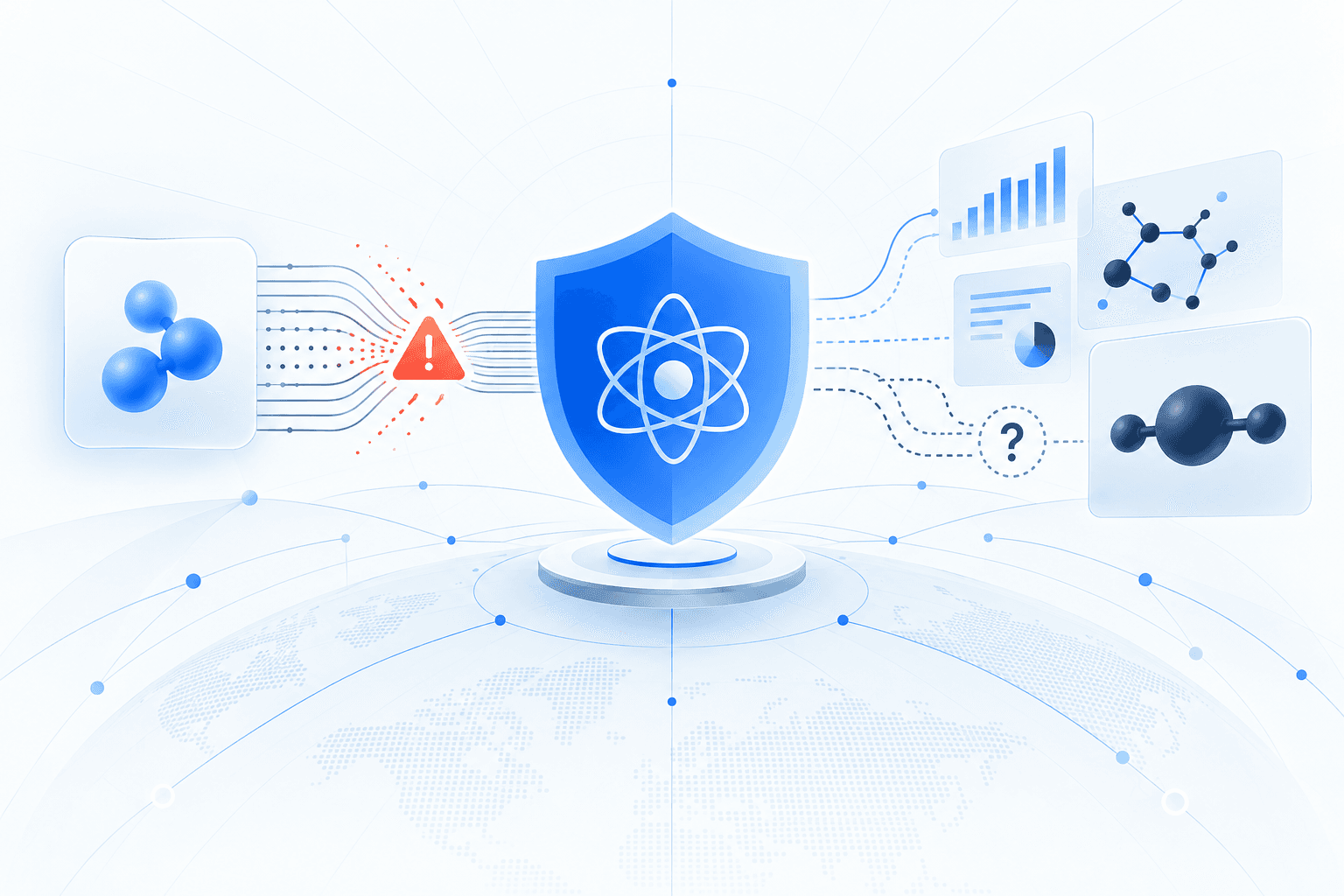
Google’s assessment found no material capability change requiring a full new critical-capability assessment, but the company could not rule out that Carbon without external mitigations reaches its Cyber Uplift Level 1 threshold. Protections include classifiers, activation probes, reasoning and action monitoring, account enforcement, and restricted access for verified defenders. Google also reports fewer unsupported assertions and less out-of-scope behavior. Although Carbon reportedly achieved a 0% attack success rate on Gray Swan’s external indirect prompt injection benchmark, Google explicitly acknowledges that successful prompt injection attacks remain possible—a limitation relevant to organizations considering autonomous security workflows.
Why it matters
Google is restricting initial Gemini 4 Carbon access to selected cyber defenders, with phased expansion through its Fairwind program; organizations evaluating autonomous coding and security workflows are the principal potentially exposed users. Google reports improved vulnerability discovery and remediation, but acknowledges residual prompt-injection and cyber-misuse risks that could undermine authorization boundaries or code integrity; the supplied content identifies no exploitation incidents or confirmed customer compromise.
- Industry-specific impact is not established. Security researchers, verified defenders, and government partners are prospective users, but the references do not establish sector-specific victimization or exposure.
- Geography-specific impact is not established. Neither reference identifies geographically targeted users, affected operations, or jurisdiction-specific obligations.
- Scope: Access is controlled rather than broadly available, and no general-release date is announced. Benchmark performance does not establish real-world compromise rates or the safety of a particular integration. Announcement coverage
- Residual risk: Google cannot rule out Carbon reaching its Cyber Uplift Level 1 threshold without external mitigations, although its assessment found no material capability change requiring a full new critical-capability assessment. Safety report