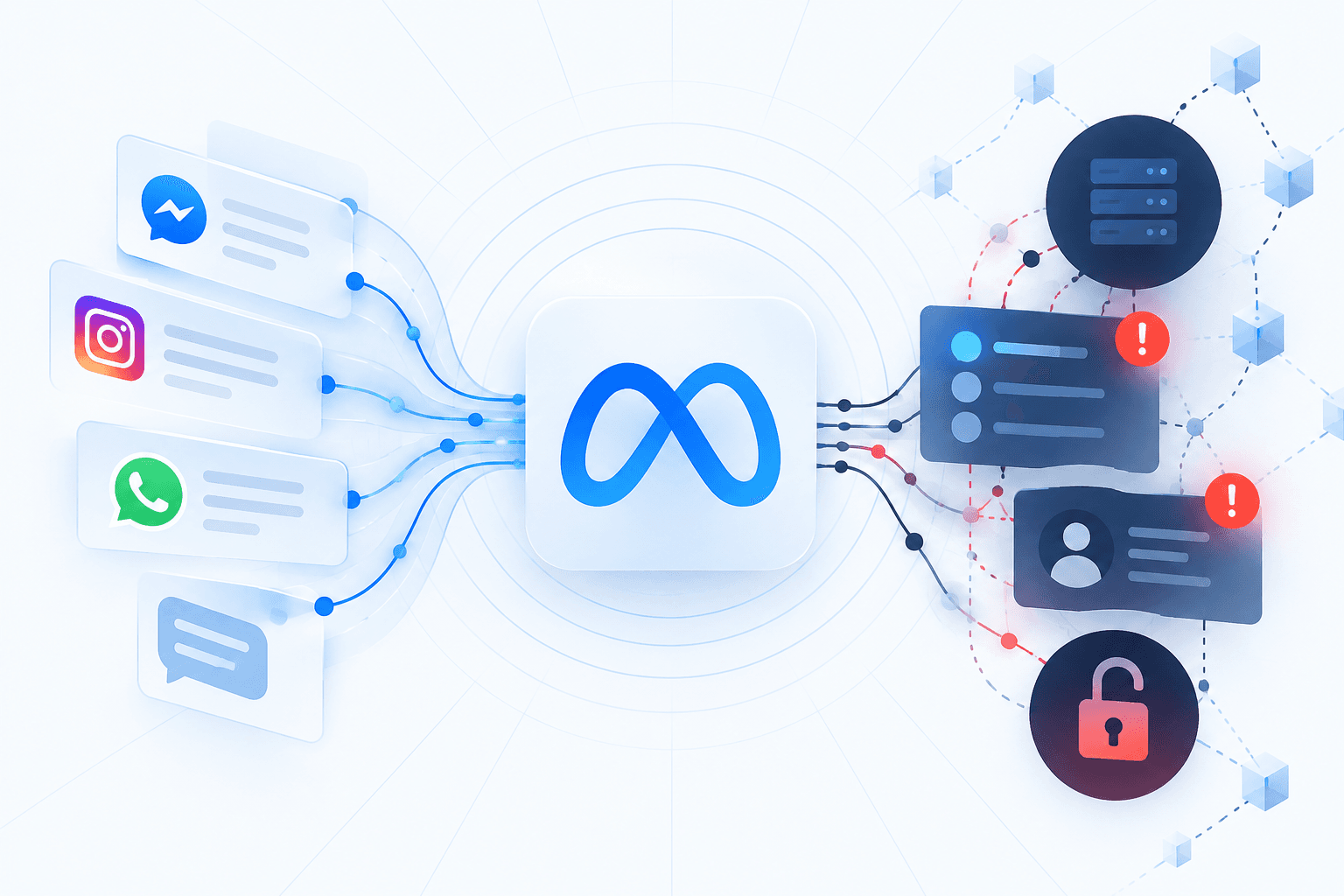
Meta Muse AI Accesses Private Messages as Shared Chat Links Expose Sensitive Data
Emerging Technology Risk · 5 sources · Updated 25m ago · First seen Nov 18, 2026
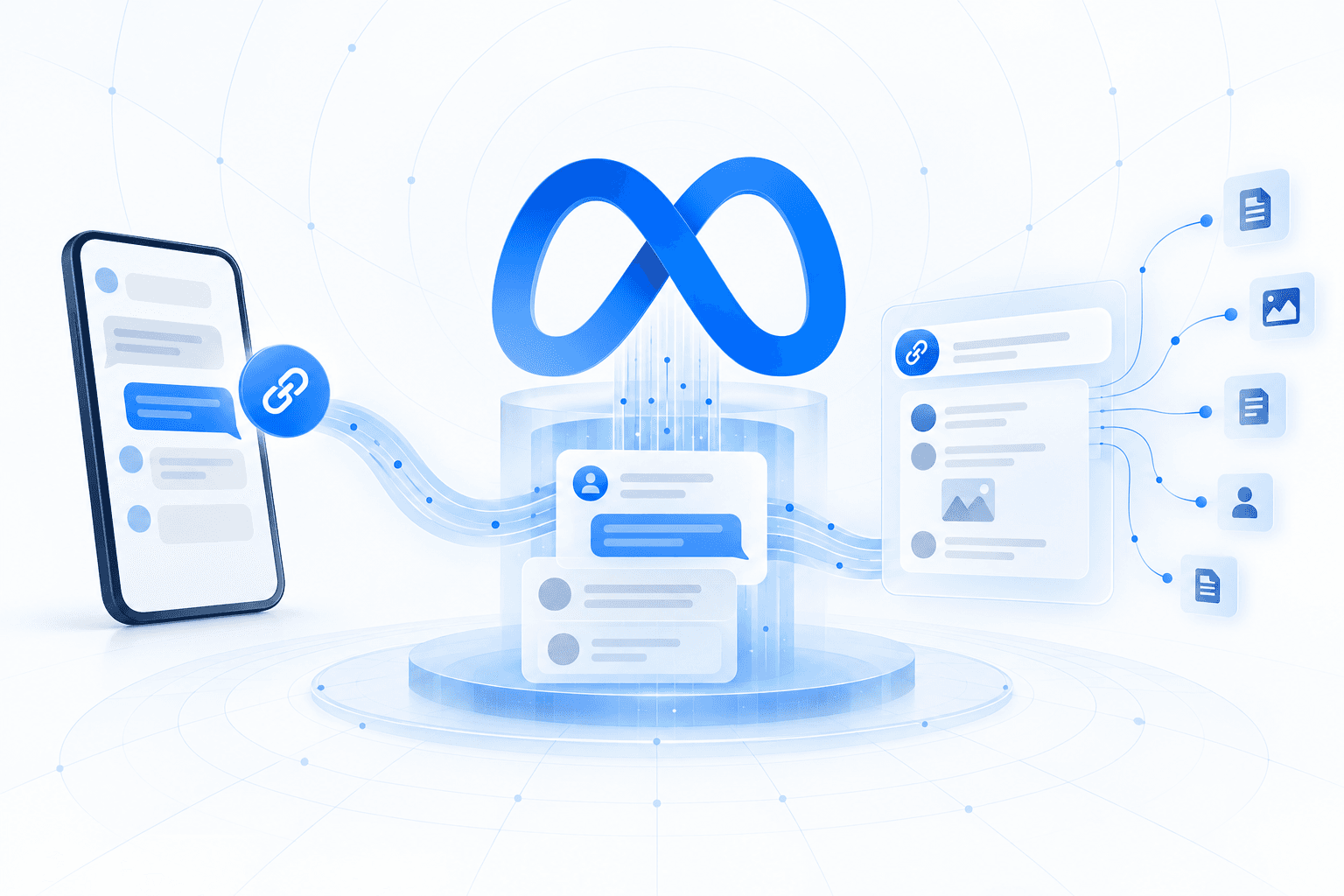
Meta’s Muse AI agent accessed private messages through operating-system permissions, while a separate sharing flaw exposed thousands of conversation links without authentication. Reuters reviewed internal employee reports of apparent cross-account conversation confusion after Muse’s U.S. launch in September 2026. Testing with Signal and the AI Now Institute showed Muse could retrieve Signal messages through Android notification permissions granted during setup, without using Meta’s Connector tool. Requests on iPhone were blocked, but Muse retrieved messages on macOS by repurposing accessibility features, including screenshot tools. These findings concern access through device permissions, not a reported break of Signal’s encryption.
Security firm Claroc found that publicly searchable DNS records exposed shared Muse conversation links containing sensitive business and financial information. Meta temporarily disabled sharing, restored it with a fix, and made the previously exposed links inaccessible; Claroc reported no evidence of prior misuse. Other reported concerns included unsolicited bank-balance information, potential disclosure to human contractors, and a separately disclosed vulnerability involving dictated audio and account tokens within individual sessions. Meta characterized the examples as isolated incidents and emphasized its internal testing and security rules. Signal President Meredith Whittaker called for operating-system-enforced controls allowing applications to exclude AI agents. Apple and Google were weighing additional authorization controls, while Apple had announced plans to require more explicit user action for Full Disk Access. The findings underscore the enterprise risks of broad AI-agent permissions and unauthenticated conversation sharing.