AI-Driven Bug Discovery Raises Emergency Patching Pressure and Outage Concerns
Vulnerability Disclosure · 11 sources · Updated 3d ago · First seen Nov 19, 2026
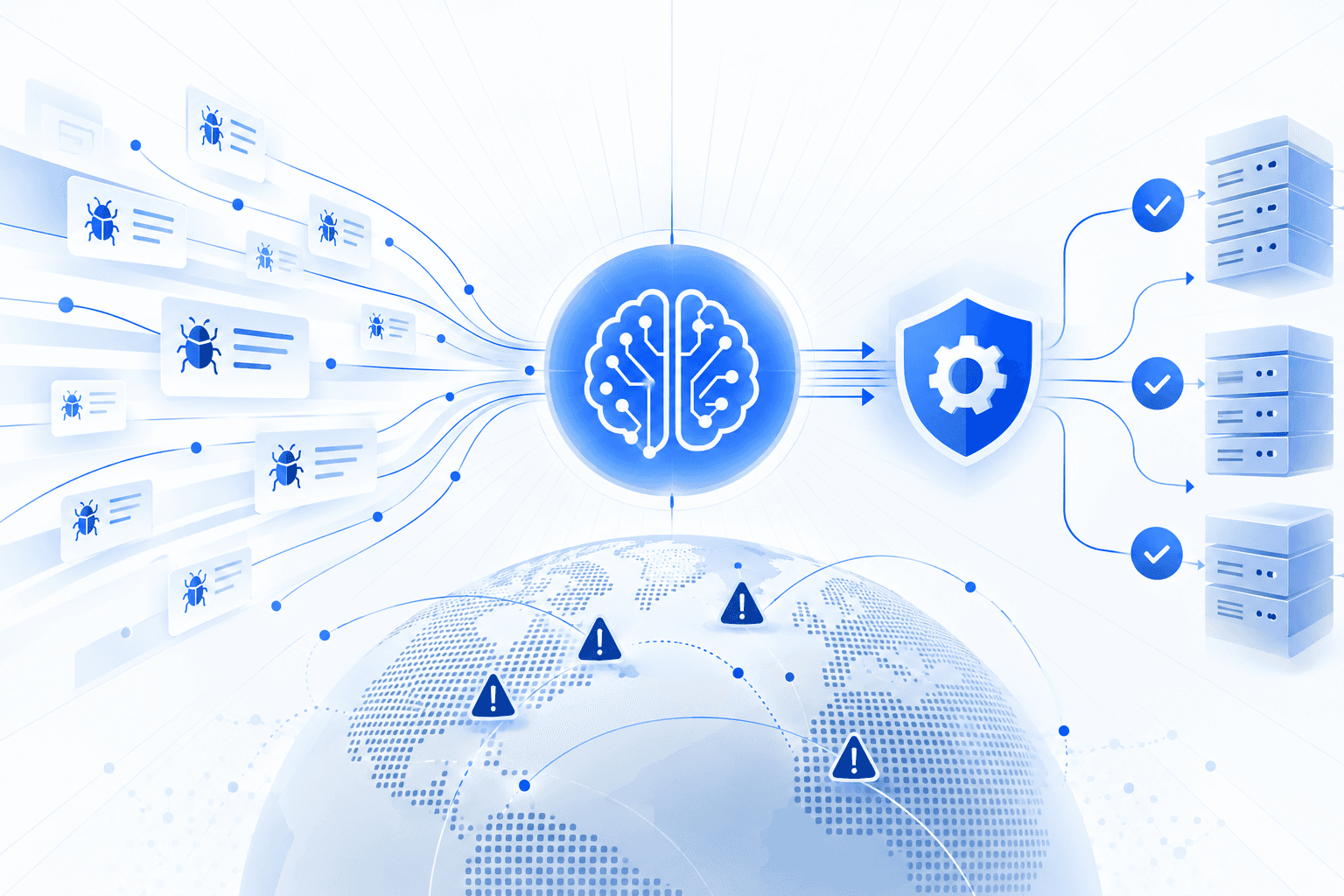
Accelerating discovery of software vulnerabilities, aided by artificial intelligence, is increasing emergency patching pressure and raising concerns about service disruptions. Seven cybersecurity professionals interviewed by Reuters warned of further disruption following outages across government websites in Europe and elsewhere after October disclosures of PHP weaknesses. Some operators took sites offline because they could not patch before anticipated exploitation. VulnCheck research cited in the reporting indicated that vulnerability discoveries had doubled year over year, with AI contributing to the increase; Cloudflare CEO Matthew Prince also warned of additional severe flaws in critical software.
Subsequent reporting described outages affecting Microsoft and Apple services, flight operations and, reportedly, the U.S. National Security Agency’s communications network. BFMTV attributed these incidents to technical problems rather than cyberattacks and cited claims that urgent fixes for AI-discovered flaws were overwhelming aging infrastructure. The supplied reporting does not establish a technical causal link between AI-driven vulnerability discovery and those outages. A separate Reuters headline cited a U.S. official saying recent technology problems were not tied to cyberattacks. For security leaders, the immediate priority is to pair risk-based patching with tested rollback procedures and service-continuity plans, particularly for legacy and internet-facing systems.
Why it matters
Accelerating vulnerability discovery is increasing remediation workloads, while emergency changes and fragile dependencies create a parallel risk of service disruption. Reported outages affected government systems, aviation, banking, and technology services; some government website operators also deliberately went offline pending PHP remediation. The supplied evidence does not establish AI-driven discovery as a common cause of the outages or coordinated exploitation behind them, although separate suspected breaches and reports of AI-assisted intrusions appear in the coverage. Reuters-syndicated reporting · Outage assessment
- Industry-specific impact: Established for Industrials through disrupted flight operations and United Airlines; Financials through JPMorgan service disruption and interrupted transfers to outside banks; Information Technology through Microsoft and Apple service outages; and Government & Public Sector through government website shutdowns and reported agency disruptions. These are observed availability impacts, not proof that AI caused each event. Sector evidence · Bank customer impact · Government websites
- Geography-specific impact: Established for the United States through the nationwide FAA ground stop and banking disruptions. France is supported by the separately reported Direction générale des finances publiques breach, including reported large-scale extraction and failed internal alerts; this is not evidence of an AI-caused outage. Government website disruptions are also reported across Europe and elsewhere, without enough detail to assign additional countries. US aviation · US banking · France · Europe
- Business exposure: Interrupted payments, email, flight operations, and public services demonstrate availability and dependency risk. Bank of America reported no internal outage, but some customers could not transfer funds to affected outside banks; the reporting does not establish funds disappearing. Source