
Mallory
← Back to News
cybersecurity-regulationenforcement-action

US Launches Threat Disruption Center to Cut Off Scam Payments

Regulatory & Policy · 2 sources · Updated 6h ago · First seen Nov 19, 2026
US Launches Threat Disruption Center to Cut Off Scam Payments

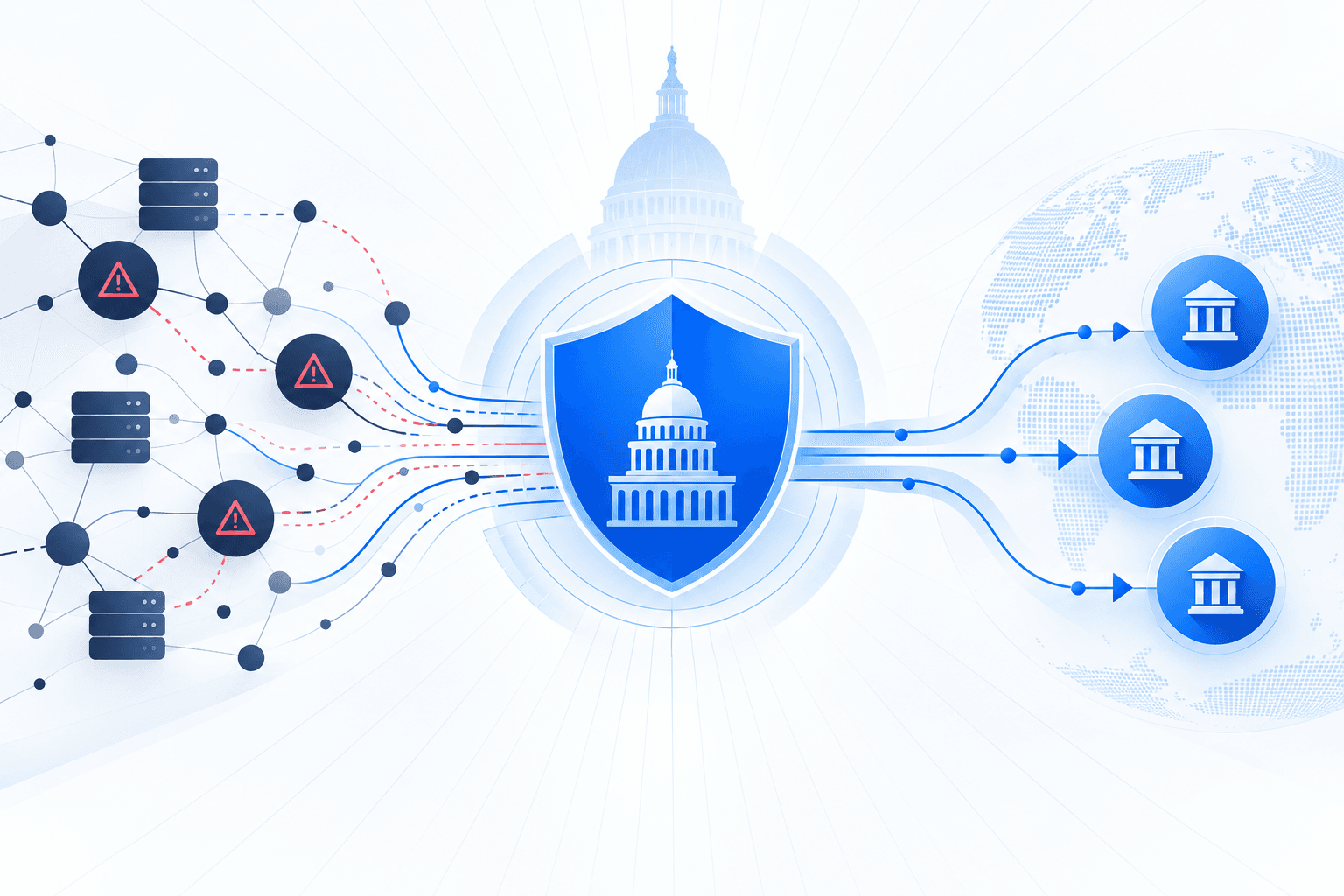
The US Homeland Security Task Force (HSTF) has launched a Threat Disruption Center to prevent victims’ money from reaching foreign scam, cybercrime, and sextortion networks. Based at the HSTF’s National Coordination Center in Fairfax, Virginia, the center combines investigative technology, technical support, and rapid intelligence sharing with private-sector partners. TRM Labs serves as the primary private-sector partner and built and maintains the center’s investigations platform.

Participating companies can independently pause payments, disable malicious domains, and ban scammers’ social media accounts, while government agencies remain responsible for investigations, prosecutions, and court-authorized seizures. The model gives payment, domain, and social media providers a direct role in disrupting fraud before funds reach criminal networks. The initiative builds on the FBI’s Operation Level Up and implements Executive Order 14390, following $20.9 billion in victim losses reported to the FBI’s Internet Crime Complaint Center in 2025.


What this changes for youSee the reporting duties and controls this puts on the clock.
Get the context
Event timeline

How this story unfolded

Events from the most recent confirmed update back to the earliest known activity.

5 events · 2024 – Mar 2026
  1. Reported Nov 19, 20267h ago

    HSTF launches Threat Disruption Center to interrupt scam payments

    The HSTF launched the Threat Disruption Center in Fairfax, Virginia, combining investigative tools and rapid intelligence sharing with private firms that can independently pause payments, disable malicious domains, and ban scam accounts. TRM Labs is the primary private-sector partner and built and maintains the investigations platform; government agencies retain investigative, prosecutorial, and court-authorized seizure responsibilities.

    US enlists private firms to cut scammers off from victims’ cash - Help Net Security
  2. Mar 2026

    Executive Order 14390 is signed to combat cybercrime and fraud

    Executive Order 14390, titled “Combating Cybercrime, Fraud, and Predatory Schemes Against American Citizens,” was signed. The Threat Disruption Center implements this order.

    US enlists private firms to cut scammers off from victims’ cash - Help Net Security
  3. 2025

    Victims report $20.9 billion in losses to the FBI during 2025

    Victims reported $20.9 billion in losses to the FBI’s Internet Crime Complaint Center in 2025. The HSTF stated that most victims do not file a report.

    US enlists private firms to cut scammers off from victims’ cash - Help Net Security
  4. Jan 2025

    Executive order establishes the Homeland Security Task Force

    An executive order established the HSTF as a permanent interagency law enforcement network targeting transnational criminal organizations, cartels, and foreign terrorist organizations operating in the United States.

    US enlists private firms to cut scammers off from victims’ cash - Help Net Security
  5. 2024

    FBI launches Operation Level Up to warn cryptocurrency fraud victims

    The FBI launched Operation Level Up in early 2024, with agents directly contacting victims of cryptocurrency investment fraud to prevent further losses.

    US enlists private firms to cut scammers off from victims’ cash - Help Net Security
Linked entities

Related entities

Vulnerabilities, threat actors, malware, products, organizations, and breaches Mallory has linked to this story.

Open in app →

Organizations

2 linked
Homeland Security Task ForceThreat Disruption Center
Do you run this?See what this changes for your reporting obligations and which controls it puts on the clock.
Get the Regulatory Context
Mallory platform

See the full picture, correlated to your attack surface.

This page covers what’s public. Mallory adds the parts that aren’t: which of your assets are affected, which threat actors are using it right now, and what to deploy next.

Exposure mappingMap indicators from this story to your assets and identify affected systems in minutes.
Threat actor evidenceEvery observed campaign, victim, and pivot linked to actors named in this story.
Associated malwareMalware, exploits, and IOCs connected to the activity described here.
Detection signaturesYARA, Sigma, and Snort rules deployed to your SIEM as soon as they’re published.
Scheduled alertsGet matching new stories delivered to your team as they break, not the next morning.
AI threadsAsk questions about this story and take action on the answers.