DeepMind Uses AI-Assisted Proofs to Verify Selected Signal Cryptographic Properties
2 sources · Updated 3d ago · First seen Nov 23, 2026
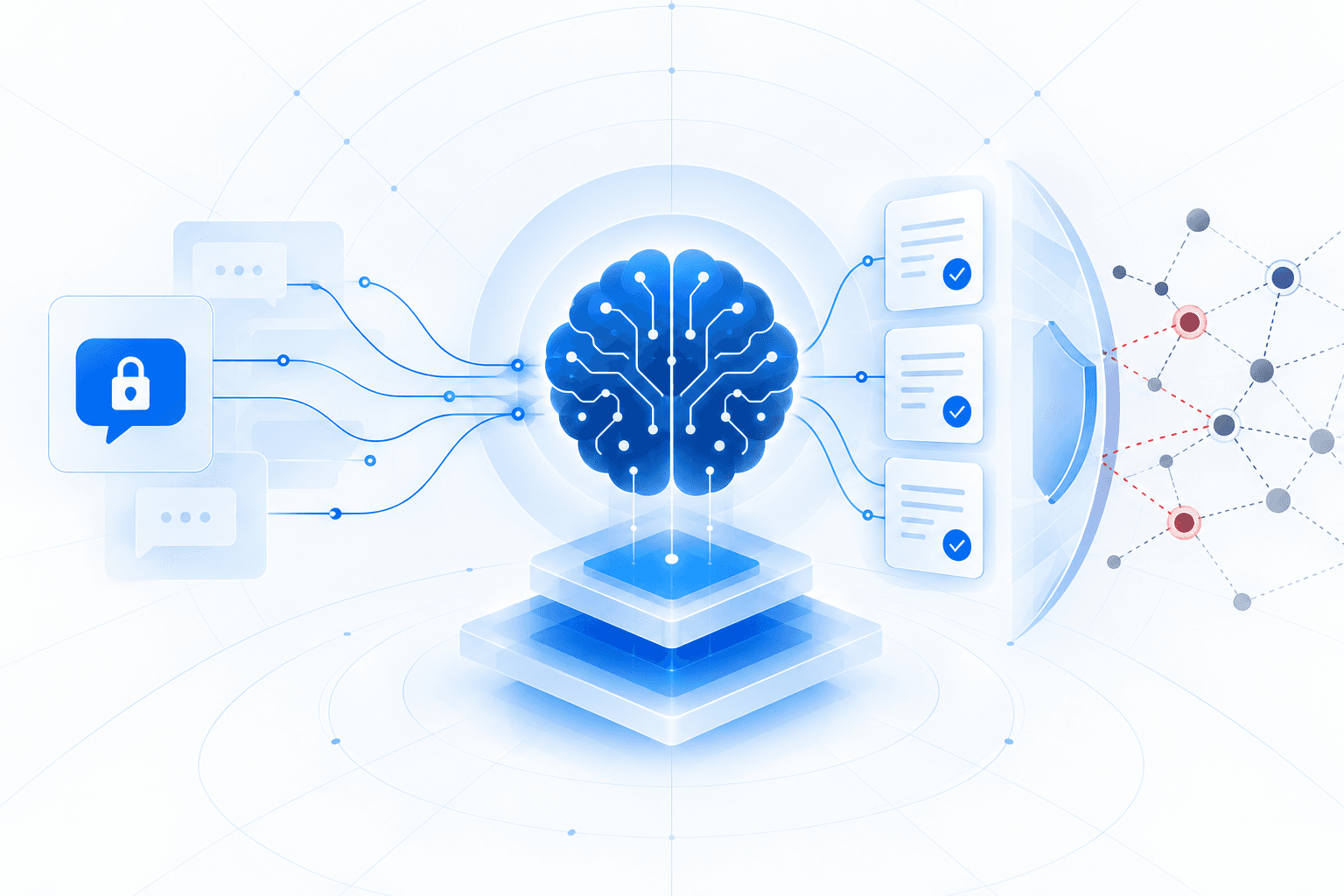
Google DeepMind reported using AlphaProof Code, a human–AI formal verification framework, to verify selected security properties of an AArch64-compiled version of Signal’s libsignal cryptographic library. During a four-week proof of concept, Gemini-based agents generated machine-checkable proofs in Lean against mathematical specifications reviewed and approved by human experts. The work assessed compiled code rather than source code alone, covering properties including forward secrecy, authentication, handshake confidentiality and post-compromise integrity. Researchers reported generating millions of lines of proofs, with approximately 1% of the codebase flagged for human review.
The framework detected two previously patched vulnerabilities deliberately reintroduced into an isolated version of the code, but did not discover new vulnerabilities. Researchers emphasized that defining the specifications required more effort than generating the proofs. The findings provide assurance only for the selected library properties under the verification’s specifications and assumptions; they do not establish the security of the entire Signal application or guarantee the privacy of other applications using the Signal Protocol. Security teams should treat the result as scoped cryptographic assurance, not a substitute for application-level security assessment.
Why it matters
Google DeepMind reported additional, scoped assurance for selected cryptographic properties of an examined Signal libsignal implementation—not proof that the entire Signal application is secure. No new vulnerabilities or incidents of exploitation were reported; two previously patched bugs were deliberately reintroduced into isolated test code and detected by the framework. The findings do not establish equivalent assurance for WhatsApp, Google Messages, or other applications using the Signal Protocol. Source
- Industry-specific impact is not established. Banking, government, medical devices, and power grids were described as potential future applications of the verification approach, not demonstrated deployments or affected sectors. Source
- Geography-specific impact is not established. The supplied reporting identifies no country-specific targeting, affected operations, or jurisdiction-specific obligations. Source