Attackers Use ARTEX and Other AI Frameworks to Automate and Accelerate Intrusions
Emerging Technology Risk · 6 sources · Updated 1d ago · First seen Nov 23, 2026
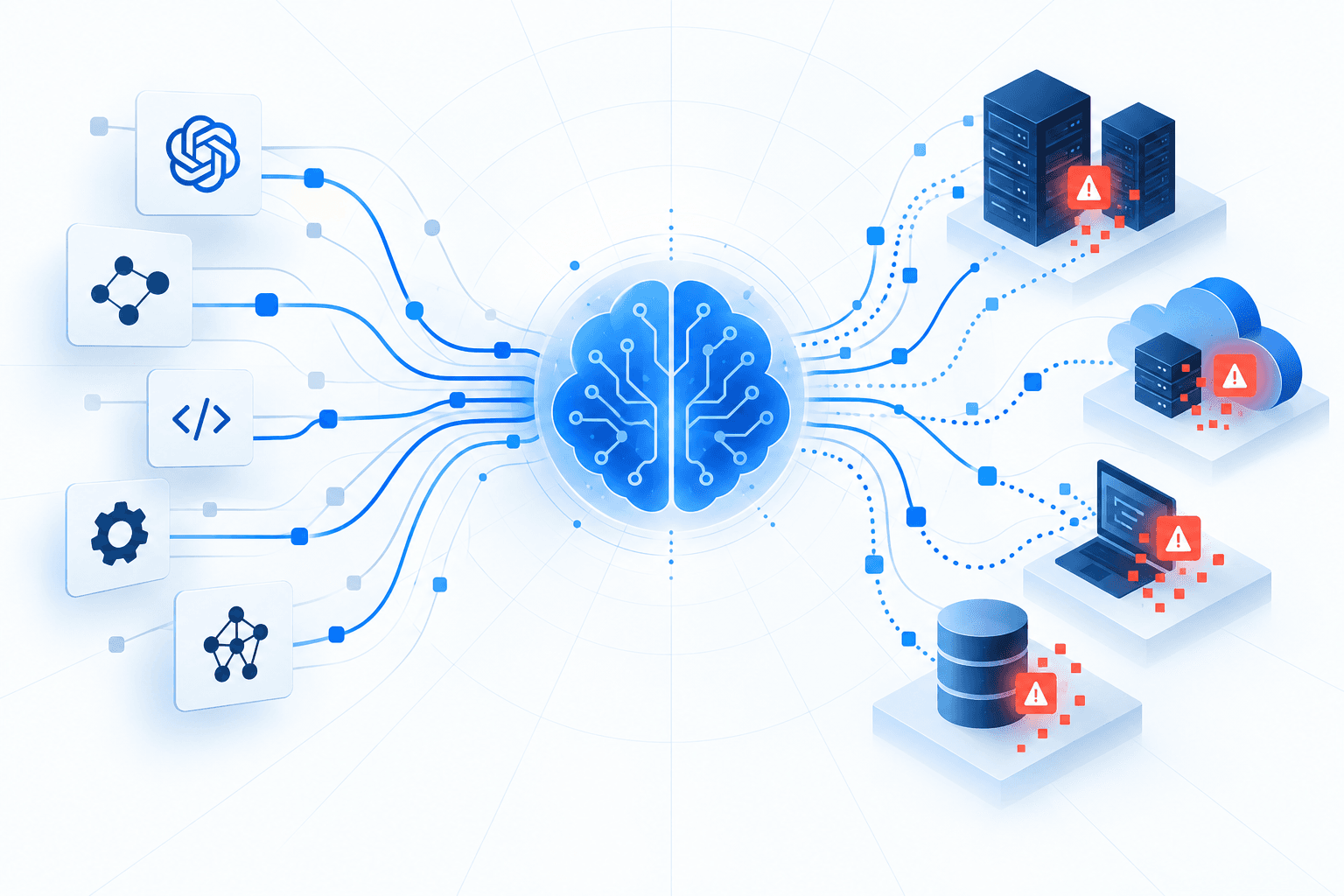
Threat actors are using autonomous AI penetration-testing frameworks, including ARTEX, Cairn and PentAGI, to accelerate reconnaissance, exploitation and credential theft. FINRA warned that groups believed to be aligned with the Chinese government used ARTEX against financial and technology organizations, including two FINRA member firms. Originally released for authorized testing, ARTEX remains widely available despite its author removing the repository. Shadowserver found thousands of publicly exposed deployments across its scans for 15 frameworks; more than 80 IP addresses running these tools generated over 10,000 honeypot events between November 9 and 23, including credential searches and exploitation attempts. Those observations do not establish that AI generated every request. Separately, SC Media reported Google Threat Intelligence Group findings of a PaperCut campaign that developed a working exploit against a victim in under four hours and obtained Domain Admin privileges at 12 of 395 organizations.
The principal change is attack speed and automation, not dependence on novel vulnerabilities: reported intrusions largely exploited unpatched systems, compromised credentials and exposed secrets. A Cloud Security Alliance briefing cited FBI observations of some attacks reaching privileged access in under three hours and reported AI model costs as low as $145. Defenders also described simultaneous attacks across multiple surfaces, rapid re-compromise and attempts to manipulate defensive AI. Flashpoint observed underground demand for training and unrestricted models, but no sales of cracked or hosted frameworks in the communities it monitored. Organizations should shorten internet-facing patch windows, reduce exposure, strengthen authentication and application permissions, protect secrets, and investigate unauthorized framework deployments. Continuous behavioral monitoring, decoys and pre-approved containment can help counter compressed response times; high-impact actions should retain human oversight. Current frameworks can be conspicuous and poorly coordinated, but researchers expect their capabilities to improve.