Windows Remote Access API Flaw Lets Local Attackers Escalate to SYSTEM
Vulnerability Disclosure · 2 sources · Updated 13h ago · First seen Nov 24, 2026
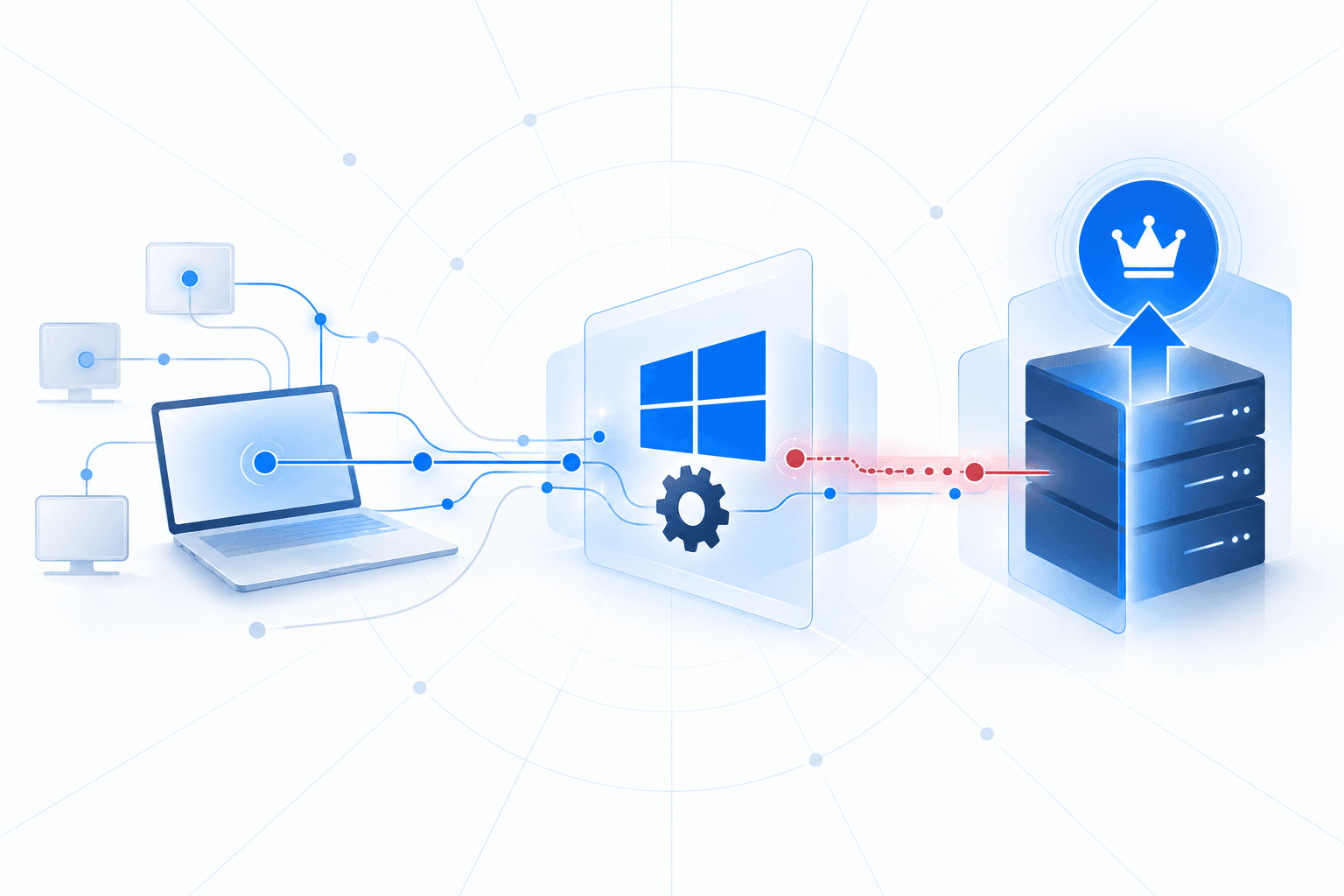
A local privilege-escalation vulnerability in the Windows Remote Access API, CVE-2026-119853, allows attackers already able to execute code as a standard user to gain SYSTEM privileges. Microsoft rated the flaw Important, assigned it a CVSS score of 7.8, and released fixes for affected Windows 10, Windows 11, and Windows Server releases on November 10, 2026. Microsoft reported no observed exploitation when it initially published its advisory, but assessed exploitation as “More Likely.”
Core Security demonstrated the untrusted search path vulnerability on Windows 11 Pro 25H2, showing a Windows service host loading a researcher-controlled DLL as SYSTEM without an active VPN or internet connection. Despite affecting a remote-access component, the reported attack requires local code execution rather than unauthenticated remote access. Administrators should prioritize the applicable security updates and investigate privileged service hosts loading unexpected DLLs from user-writable locations.