Global Cyber Agencies Urge OT Operators to Map Networks for Enhanced Security
7 sources · Updated 5mo ago · First seen Sep 30, 2025

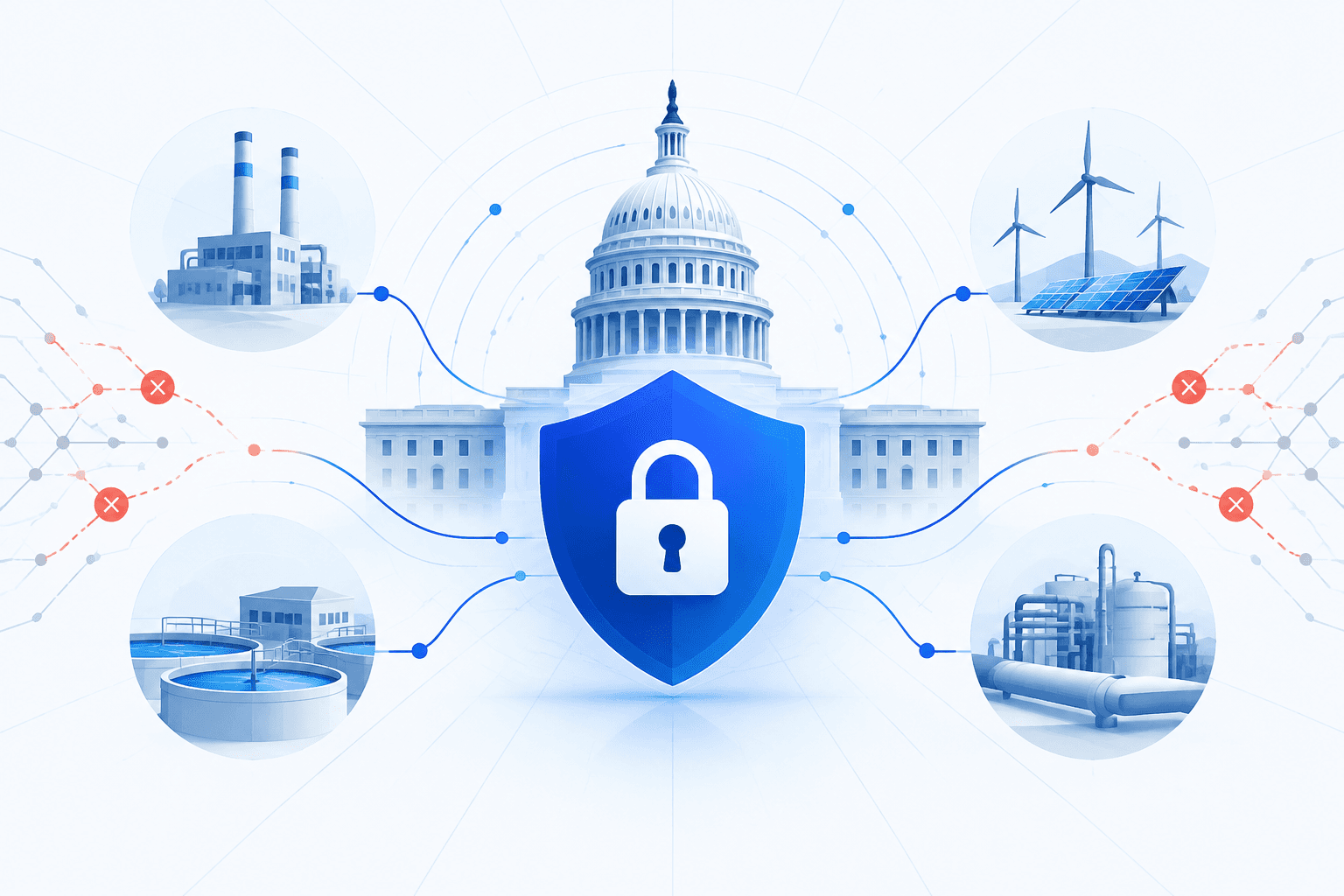
Global cybersecurity agencies have issued a joint call for critical infrastructure operators to conduct comprehensive mapping of their operational technology (OT) environments. The guidance, supported by the United Kingdom's National Cyber Security Centre, the U.S. Cybersecurity and Infrastructure Security Agency, and other allied partners, emphasizes the urgent need for exhaustive OT inventories to combat evolving cyber-physical threats. Operators of essential services such as power grids, water systems, and manufacturing plants are being instructed to catalogue all assets by their criticality, ensuring that every component of their OT environment is accounted for. The framework outlined by these agencies includes documenting system connectivity, validating and maintaining records through structured change management, and rigorously managing third-party access and contractual risks. Security experts highlight that while creating a definitive record of OT assets is both feasible and necessary, it presents significant challenges, particularly for organizations with sprawling, decades-old networks. Legacy systems often lack the real-time visibility required for effective inventory, making the process complex and resource-intensive. Despite these obstacles, the increasing sophistication of cyber-physical threats means that organizations can no longer afford to operate with blind spots in their OT environments. The guidance stresses the importance of asset visibility as a foundational element of OT security, enabling organizations to identify vulnerabilities and respond more effectively to incidents. Agencies recommend that operators implement structured change management processes to ensure that asset records remain accurate and up to date. The guidance also calls for robust management of third-party access, recognizing that supply chain and contractor relationships can introduce additional risks. By following the principles-based framework, critical infrastructure operators can reduce the likelihood of undetected vulnerabilities and improve their overall security posture. The agencies warn that failure to maintain comprehensive OT inventories could leave organizations exposed to major cyber incidents. The call to action reflects a growing consensus among global cyber authorities that asset management is a critical defense against increasingly complex threats targeting industrial control systems. The guidance is intended to drive a cultural shift in how OT operators approach security, moving from reactive measures to proactive risk management. Experts agree that while the task is daunting, the benefits of improved visibility and control far outweigh the challenges. The initiative underscores the need for ongoing collaboration between government agencies, industry stakeholders, and security professionals to protect critical infrastructure from cyber threats. Ultimately, the guidance aims to ensure that operators are not caught off guard by attacks that exploit unknown or unmanaged assets within their OT environments.
Why it matters
Impact Assessment
- Affected organizations: Critical infrastructure and industrial operators, especially power, water, manufacturing, and other essential services running operational technology (OT), industrial control systems (ICS), and legacy plant networks.
- Primary risk: Incomplete OT asset inventories create security blind spots that prevent defenders from identifying exposed systems, unmanaged devices, insecure remote access paths, and unsupported legacy assets.
- Business impact: Poor OT visibility increases the likelihood of:
- Operational disruption from attacks affecting industrial processes
- Safety consequences in cyber-physical environments
- Extended incident response and recovery times due to unknown dependencies and undocumented connectivity
- Regulatory, financial, and reputational damage for operators of essential services
- Scope of exposure: This is a broad, systemic exposure issue, not a single-product flaw. Risk is highest in organizations with large, aging, decentralized OT estates and heavy reliance on contractors or third-party maintainers.
- Exploitation in the wild: The story does not identify a specific active campaign, CVE, or named threat actor, but the joint government warning reflects sustained concern over evolving cyber-physical threats and the defensive gap created by unmanaged OT assets.
- Strategic significance: The guidance signals that asset visibility is now treated as a foundational OT security control, necessary for vulnerability management, segmentation, incident response, and third-party risk reduction.