
Loading story…
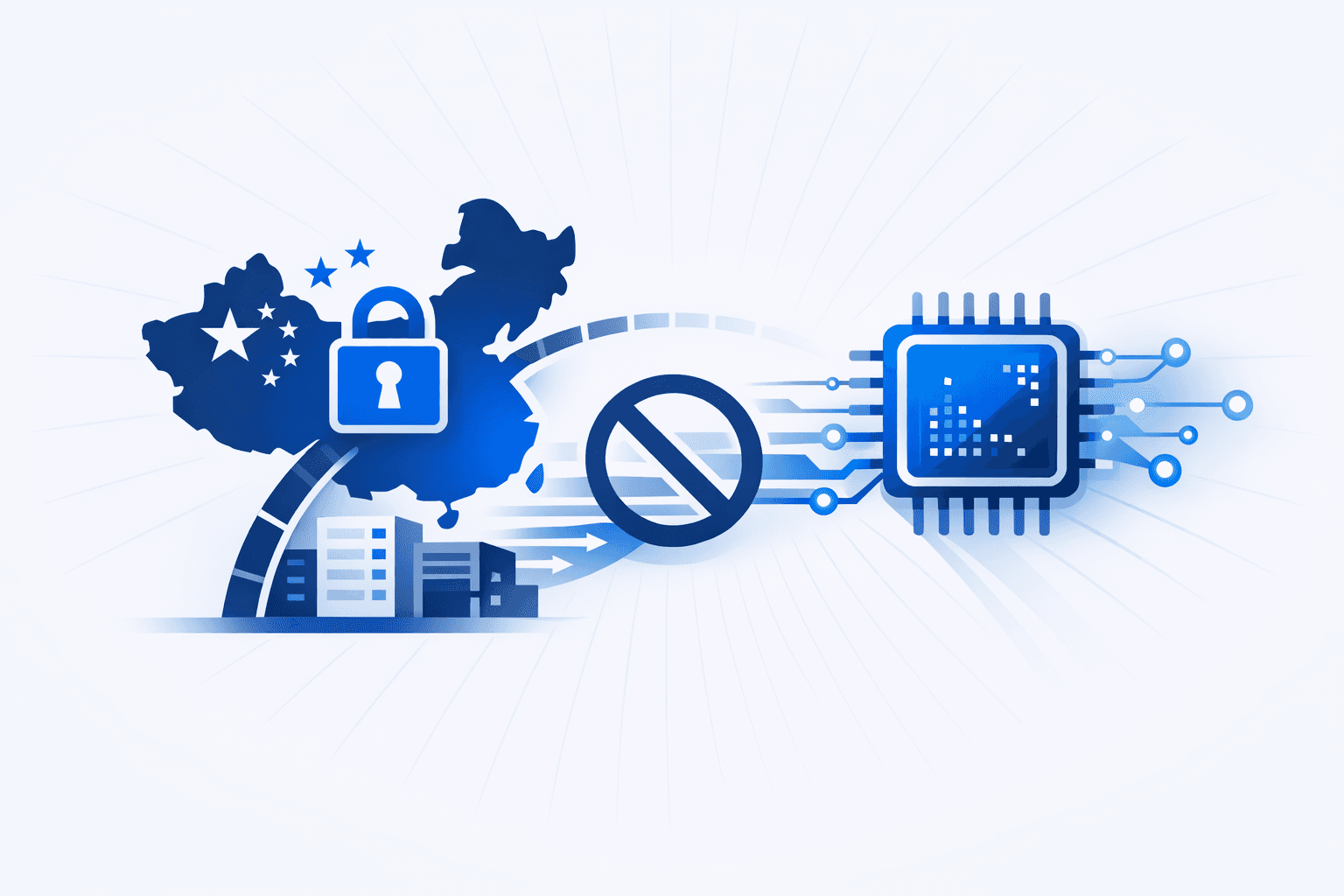
China has implemented a comprehensive ban on the use of foreign AI chips, including those from Nvidia, AMD, and Intel, in any data center projects funded by the government. The directive, which reportedly applies retroactively to projects still in early stages, requires the removal or replacement of foreign accelerators even if they have already been installed. Chinese regulators have instructed that only domestically produced silicon, such as chips from Huawei, Cambricon, and Enflame, may be used in these environments. This move marks a significant escalation from previous policies that merely discouraged foreign chip purchases, and it effectively eliminates the prospects for foreign chipmakers in China's state-backed AI infrastructure.
To support this transition and further reduce reliance on foreign technology, local Chinese governments are offering substantial power incentives and subsidies to domestic tech companies like ByteDance, Alibaba, and Tencent. These measures are designed to offset the higher energy costs and lower efficiency of Chinese-made AI chips compared to leading foreign alternatives, particularly Nvidia GPUs. Despite the technological gap, China is accelerating the development and deployment of homegrown AI hardware, with the government leveraging both regulatory and economic tools to promote domestic innovation and self-sufficiency in the semiconductor sector.
See the reporting duties and controls this puts on the clock.
2 events from the most recent confirmed update back to the earliest known activity.
Reports said China had begun an early-stage crackdown on the use of foreign AI chips in state-funded data centers, including plans affecting Nvidia, AMD, and Intel hardware. The move would require these facilities to remove or avoid foreign accelerators in favor of domestic alternatives.
Chinese policy support tied to electricity pricing and energy subsidies was reported as encouraging data centers to adopt homegrown AI accelerators amid power constraints and rising AI infrastructure demand. The measure was framed as part of China's broader effort to reduce reliance on foreign compute hardware.
See what this changes for your reporting obligations and which controls it puts on the clock.
2 references tracked. Mallory keeps watching after this page renders.
tomshardware.com
Open sourcetomshardware.com
Open sourceMap indicators from this story to your assets and identify affected systems in minutes.
Every observed campaign, victim, and pivot linked to actors named in this story.
Malware, exploits, and IOCs connected to the activity described here.
YARA, Sigma, and Snort rules deployed to your SIEM as soon as they’re published.
Get matching new stories delivered to your team as they break — not the next morning.
Ask questions about this story and take action on the answers.
Other stories Mallory is tracking that overlap on entities, sources, or topic labels.
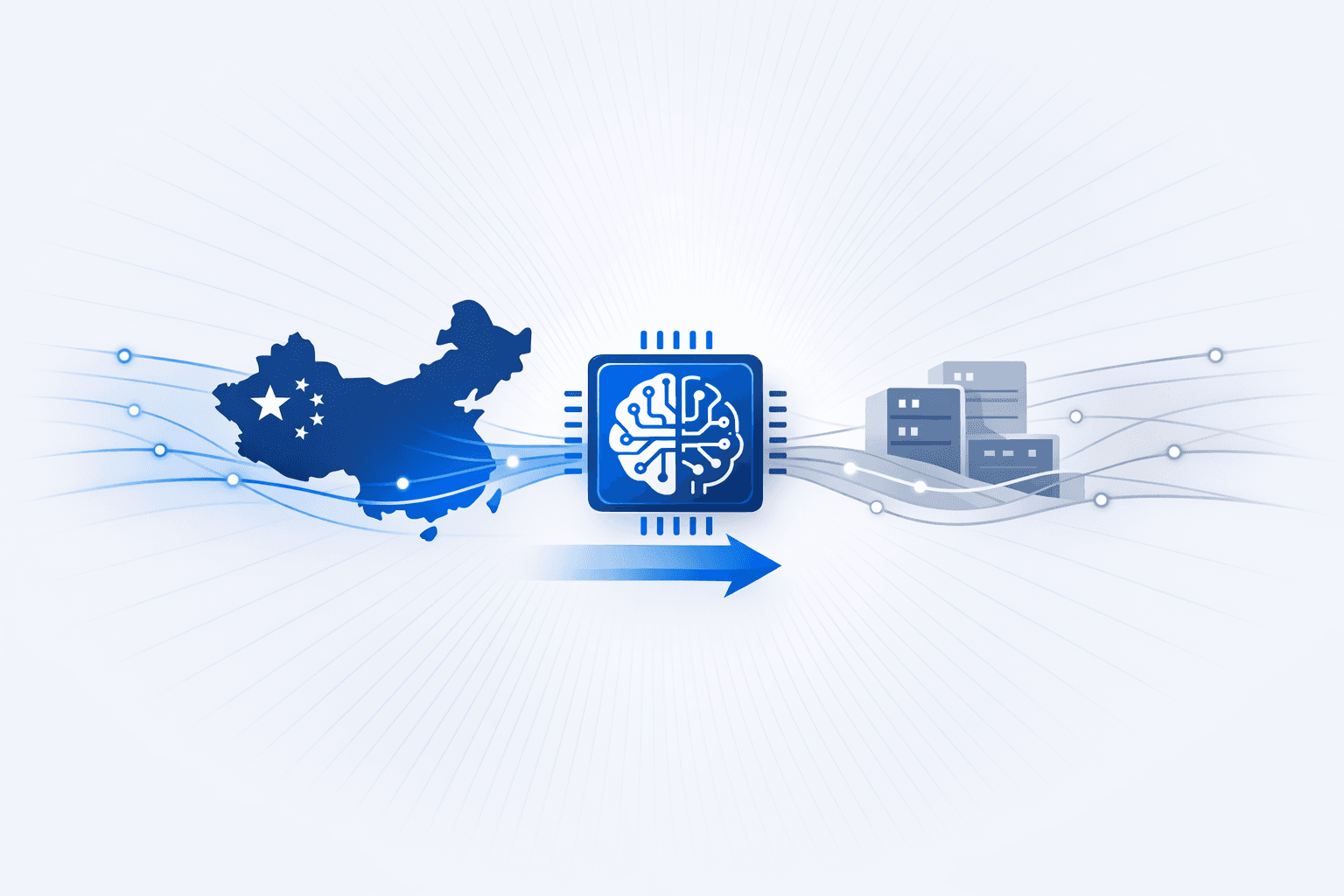
China has initiated a policy shift to promote domestic AI hardware suppliers, officially assembling a government-approved list that includes only Cambricon and Huawei, while excluding foreign companies such as Nvidia and AMD. This move is designed to encourage public sector organizations to prioritize locally developed AI processors, with the updated Information Technology Innovation List (Xinchuang) now encompassing domestic AI accelerators alongside other homegrown technologies. The policy aims to accelerate the displacement of U.S.-designed AI hardware within the state sector, directing billions of dollars in government procurement toward Chinese suppliers and reducing reliance on foreign technology. Cambricon Technologies is responding to this policy environment by planning a significant production ramp-up, targeting the delivery of 500,000 AI accelerators in 2026—more than triple its 2025 output. The company’s Siyuan 590 and 690 processors are central to this effort, with major customers like ByteDance and anticipated expansion to Alibaba. However, Cambricon faces challenges due to manufacturing constraints, as it relies on SMIC’s N+2 (7nm) process, which uses DUV lithography and has lower yields compared to leading global foundries. The government’s push for domestic hardware is expected to further shape the competitive landscape and drive rapid development of China’s AI ecosystem, despite technical and supply chain hurdles.
Jun 29, 2026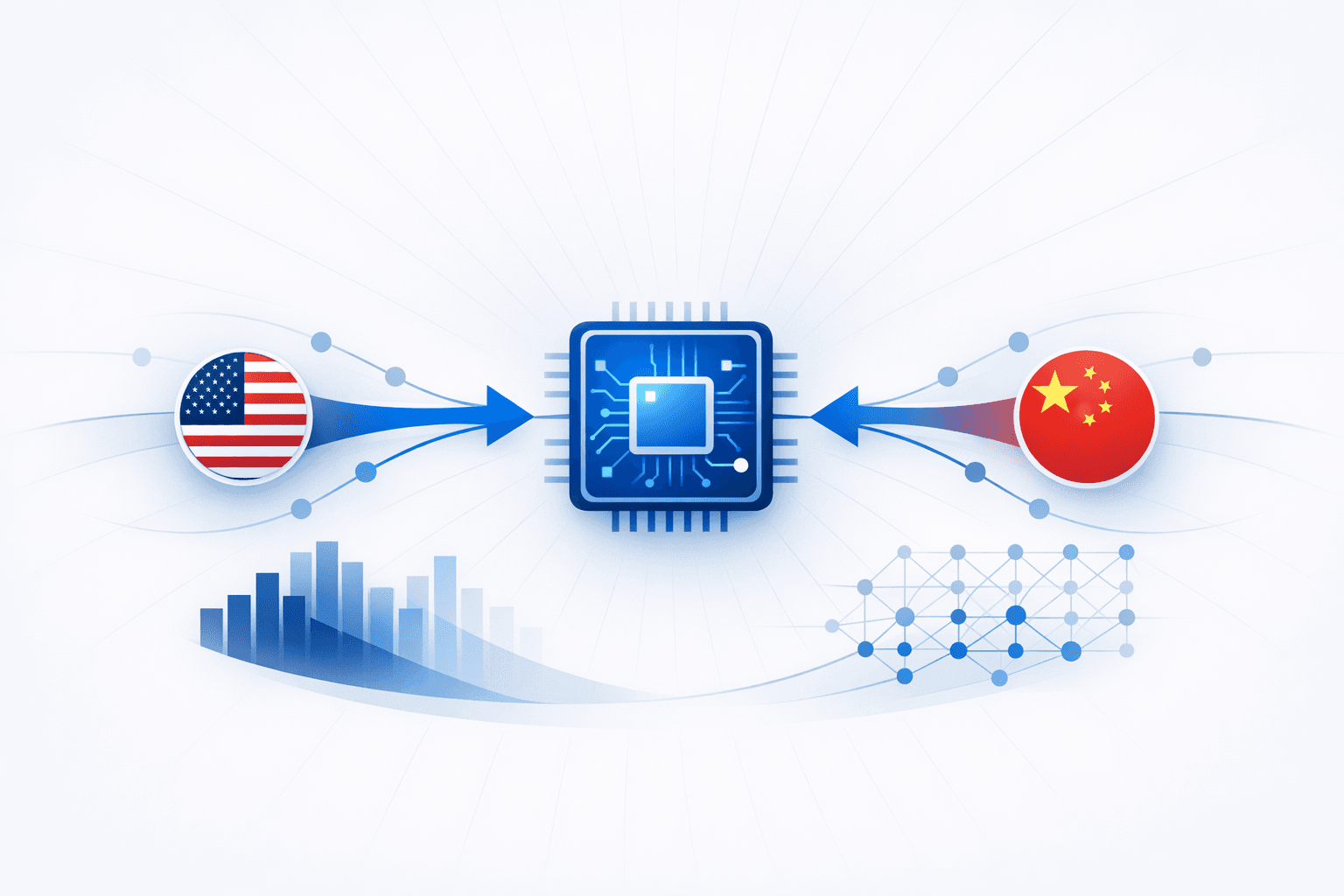
The United States government has authorized Nvidia to export its H200 AI accelerator chips to select Chinese customers, reversing previous restrictions that had barred such sales. The decision, announced by President Donald Trump, requires each chip to be routed through US territory for inspection and imposes a 25% import duty. The move is intended to maintain US technological superiority while allowing controlled access to advanced AI hardware, as the H200 is significantly more powerful than the previously permitted H20 model but still less advanced than Nvidia's latest Blackwell chips, which remain restricted. The policy shift follows concerns that strict export bans were accelerating the development of domestic Chinese alternatives, particularly from companies like Huawei, whose Ascend 910C and CloudMatrix 384 chips are approaching parity with Nvidia's offerings. Chinese regulators have responded by convening emergency meetings with major technology firms such as Alibaba, ByteDance, and Tencent to assess demand for the H200 and consider potential import limits. The Chinese government is weighing whether to permit purchases and how to structure access, with discussions reportedly focusing on restricting public sector use and requiring justification for why domestic chips cannot meet company needs. The US administration's strategy aims to keep Chinese industry reliant on American technology and secure revenue for Nvidia, which has seen its China market share plummet due to earlier restrictions. The decision is seen as a calculated effort to balance national security concerns with economic interests and the ongoing competition in AI hardware development between the US and China.
Jun 29, 2026
Nvidia is preparing to resume shipments of its H200 data center GPUs to China following the U.S. government's decision to allow limited exports under strict licensing and a 25% tax. CEO Jensen Huang confirmed that demand for the H200 in China is extremely high, but actual deliveries are pending final regulatory approvals. The move comes amid ongoing U.S. export controls that have restricted Chinese access to advanced AI accelerators, prompting Nvidia to restart its supply chain and prepare for significant orders once licenses are finalized. As a result of these export restrictions, China's AI infrastructure market is rapidly consolidating around domestic champions such as Baidu and Huawei, who now control over 70% of the country's "GPU cloud" market using homegrown AI chips. This shift is supported by substantial investment in domestic silicon development and a strategic move by Chinese tech giants to vertically integrate hardware, software, and cloud services. Meanwhile, the global surge in AI data center construction is straining electricity grids, with companies like Meta and Microsoft exploring alternative power sources, including small modular nuclear reactors, to meet the growing energy demands of AI workloads.
Jun 29, 2026