
Loading story…
Organizations are increasingly recognizing the complexity and interconnectedness of modern supply chains, which span multiple tiers of suppliers and involve both cyber and physical risks. Traditional threat modeling frameworks often fall short in addressing the cascading risks that can arise from disruptions at any point in the supply chain, prompting the need for more comprehensive approaches. Experts emphasize the importance of visibility beyond direct (Tier 1) suppliers and advocate for strategies that account for dependencies across all levels of the supply chain ecosystem.
Security leaders recommend integrating cyber and physical risk management into a unified supply chain resilience strategy. This involves embedding security controls throughout the procurement and logistics process, leveraging advanced technologies for real-time visibility, and adopting zero trust principles. Continuous monitoring, adaptive response plans, and contingency planning for both digital and physical disruptions are essential to safeguard against evolving threats and ensure operational continuity.

See the reporting duties and controls this puts on the clock.
1 event from the most recent confirmed update back to the earliest known activity.
Initial story creation
See what this changes for your reporting obligations and which controls it puts on the clock.
2 references tracked. Mallory keeps watching after this page renders.
Map indicators from this story to your assets and identify affected systems in minutes.
Every observed campaign, victim, and pivot linked to actors named in this story.
Malware, exploits, and IOCs connected to the activity described here.
YARA, Sigma, and Snort rules deployed to your SIEM as soon as they’re published.
Get matching new stories delivered to your team as they break — not the next morning.
Ask questions about this story and take action on the answers.
Other stories Mallory is tracking that overlap on entities, sources, or topic labels.
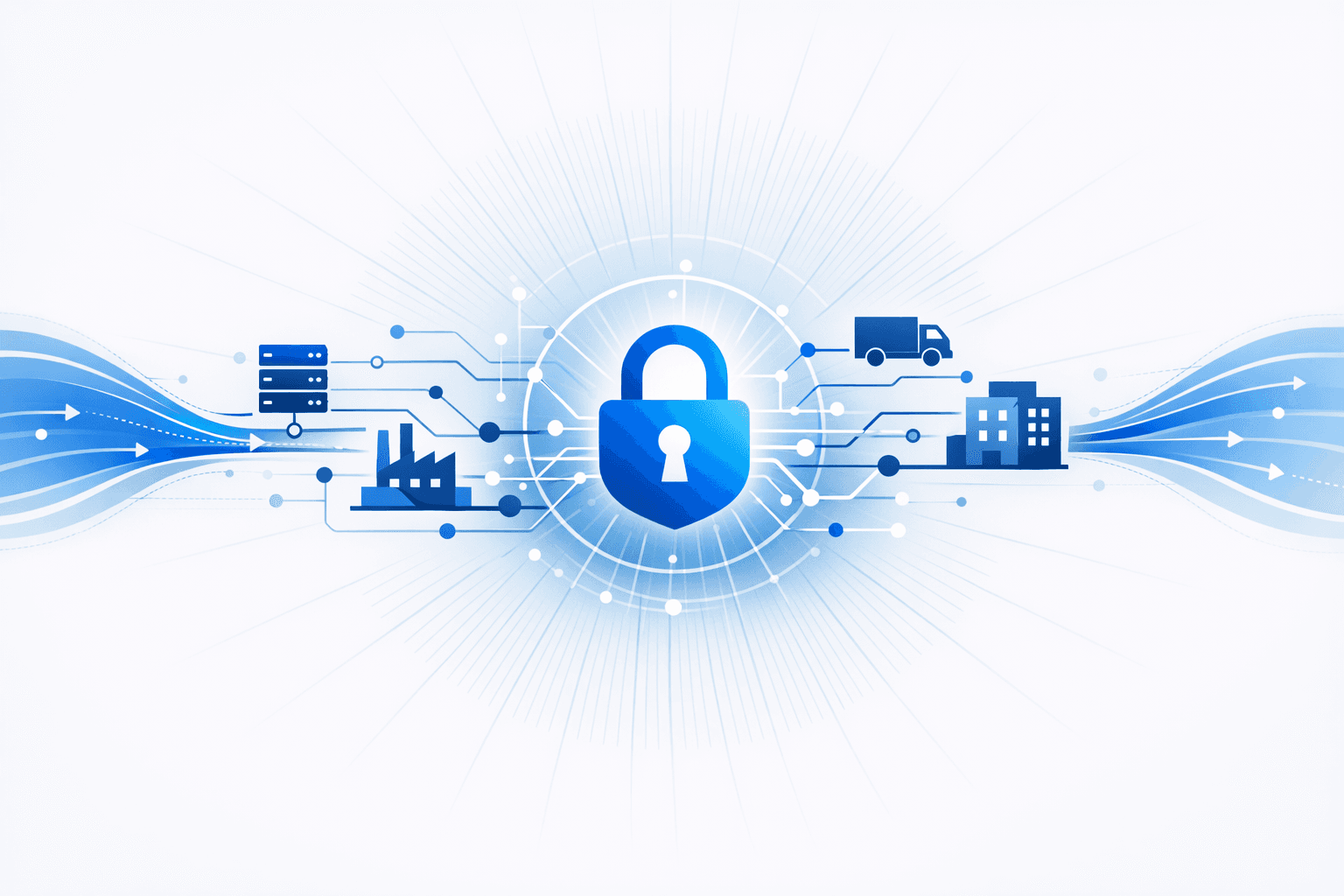
Organizations are facing a rapidly evolving cyber risk landscape as the boundaries between IT, operational technology (OT), Internet of Things (IoT), and supply chain systems blur. The proliferation of connected devices, such as cameras, badge readers, HVAC systems, and factory controllers, has significantly increased the attack surface for enterprises. Business demands have driven the integration of IT, OT, and IoT, enabling telemetry to inform analytics and automation, but also concentrating dependencies on critical control planes like cloud consoles and APIs. This interconnectedness means that a single compromised identity provider, software updater, or remote management tool can serve as a single point of failure, potentially impacting thousands of endpoints and critical business processes. Security leaders emphasize the importance of maintaining a living inventory of assets, applying least privilege principles, and segmenting networks by function and criticality to mitigate these risks. Unknown or unmanaged devices should be treated as unsafe until proven otherwise, and where devices lack robust security features, organizations are advised to broker connections through secure gateways. The challenge is compounded by resource constraints and the long lifecycles of many IoT and OT devices, which often cannot be easily updated or replaced. The expansion of cyber risk also extends to the supply chain, where third-party vendors, contractors, and service providers can become entry points for attackers. Recent high-profile breaches have demonstrated that adversaries exploit trusted relationships to infiltrate organizations, with the fallout often affecting the victim company regardless of where the breach originated. This complexity is frequently invisible to the public and regulators, leading to reputational damage and loss of narrative control for affected organizations. Effective cyber readiness now requires extensive preparation, including scenario exercises, communication planning, and training to operate under pressure. The shift from endpoint-centric to control plane-centric risk management reflects the need to address the realities of modern, interconnected business environments. Organizations must adopt an "assume breach" mindset and focus on resilience and recovery planning, not just prevention. The evolving threat landscape demands that security strategies account for the full spectrum of connected assets and the intricate web of dependencies that define today's enterprises. As the definition of cyber risk continues to expand, so too must the approaches to visibility, segmentation, and incident response. Ultimately, the ability to manage and recover from cyber incidents hinges on preparation, visibility, and the recognition that every connected asset and relationship represents a potential risk vector.
Jul 12, 2026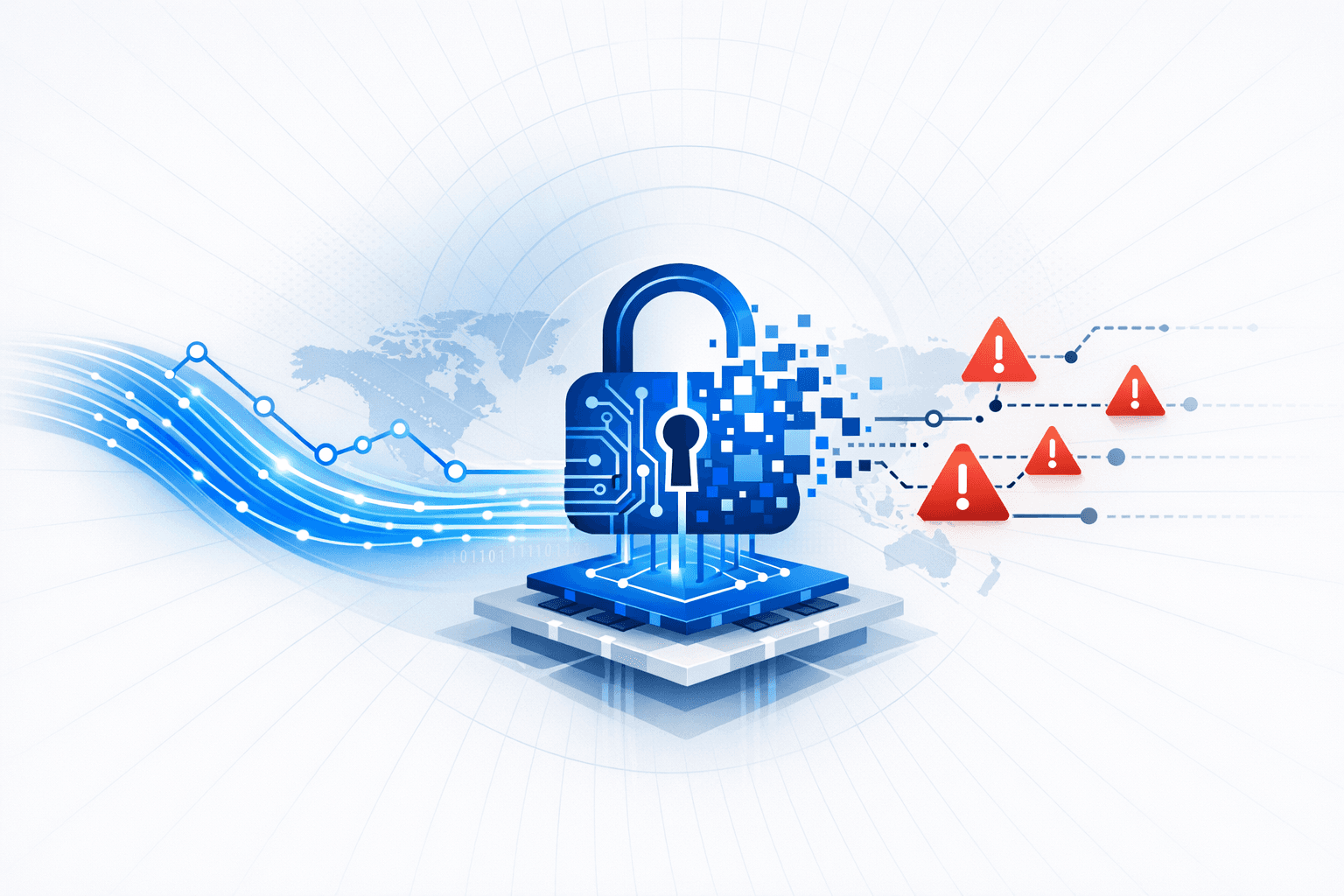
Recent high-profile incidents such as the SolarWinds, MOVEit, and Log4Shell breaches have underscored the critical vulnerabilities present in the software supply chain, prompting organizations to prioritize third-party risk management and supply chain security at the executive level. Security leaders now recognize that every external dependency, from open-source libraries to SaaS platforms, represents a potential attack vector, with 69% of organizations reportedly impacted by a supply chain security event in the past year. The MOVEit and SolarWinds attacks, in particular, demonstrated how a single compromised vendor can trigger widespread data breaches and operational disruptions across thousands of downstream organizations. In response to these threats, companies are increasingly adopting third-party risk management tools and modern application security practices to monitor and secure their extended digital ecosystems. Industry reports highlight a gap between awareness and implementation of foundational security controls, with many organizations failing to mandate essential protections despite acknowledging the risks. Regulatory bodies such as CISA have also identified supply chain attacks as one of the most persistent and damaging threats, emphasizing the need for proactive, holistic risk management strategies that extend beyond internal systems to encompass the entire vendor ecosystem.
Jul 12, 2026
Organizations are increasingly recognizing that true resilience in cybersecurity and IT infrastructure goes beyond simply having redundant hardware or choosing the lowest-cost vendors. Modern networks span complex environments, including hybrid clouds and edge nodes, where redundancy must account for not only physical failures but also misconfigurations, supply chain risks, and sophisticated cyber threats. Effective resilience requires disciplined planning, robust policies, automation, and regular testing to ensure that failover systems work as intended and that business operations can continue seamlessly during disruptions. Procurement strategies that focus solely on cost savings can undermine an organization's ability to withstand cyber incidents or supply chain disruptions. When resilience is not factored into procurement decisions, organizations may find that the short-term financial gains are quickly erased by the costs of a breach or outage. Boards and executives are urged to prioritize resilience alongside cost, ensuring that vendor selection and contract negotiations support long-term operational stability and security, rather than exposing the organization to avoidable risks.
Jun 29, 2026