
Loading story…
The Akira ransomware group has been exploiting vulnerabilities in SonicWall SSL VPN appliances, particularly those inherited by large enterprises through mergers and acquisitions (M&A) of small- and medium-sized businesses. Attackers have leveraged legacy admin credentials, weak hostnames, and inadequate endpoint defenses to gain rapid access to sensitive systems, with lateral movement to domain controllers occurring in under 10 hours on average. Security researchers note that these attacks are not necessarily targeting M&A activity directly, but the inherited, often misconfigured SonicWall devices present a lucrative entry point for ransomware operations.
Experts warn that the integration of overlooked or poorly secured network devices during M&A processes significantly increases the risk of compromise for acquiring organizations. The Akira campaign highlights the broader challenge of managing legacy security appliances, as attackers continue to exploit such devices for initial access and rapid ransomware deployment. Organizations are urged to conduct thorough asset inventories and strengthen security controls around inherited IT infrastructure, especially network edge devices like SSL VPNs.
TTPs, infrastructure, and targeting history in one profile.
4 events from the most recent confirmed update back to the earliest known activity.
On November 26, 2025, reporting based on ReliaQuest research highlighted that Akira had been compromising inherited SonicWall SSL VPN appliances in post-acquisition environments. The findings emphasized that many acquiring companies were unaware the devices still existed and that stale admin credentials were enabling ransomware deployment.
SonicWall released updated firmware and additional security guidance to address exploitation of SSL VPN devices, including issues tied to CVE-2024-40766. Despite the availability of patches, many organizations remained exposed because of end-of-life devices and poor credential hygiene.
During the 2025 intrusion wave, investigators found Akira could move laterally from compromised SonicWall SSL VPN access to domain controller compromise in as little as five to 10 hours. The activity affected multiple industries and was assessed as opportunistic rather than specifically aimed at M&A targets.
Between June and October 2025, ReliaQuest observed a series of Akira ransomware intrusions targeting organizations running SonicWall SSL VPN appliances. Initial access commonly involved legacy SonicWall devices and inherited administrator credentials left behind after mergers and acquisitions.
Vulnerabilities, threat actors, malware, products, organizations, and breaches Mallory has linked to this story.
See this adversary's TTPs, infrastructure, and targeting history, correlated against your exposure.
4 references tracked. Mallory keeps watching after this page renders.
scworld.com
Open sourcebankinfosecurity.com
Open sourcegovinfosecurity.com
Open sourcecsoonline.com
Open sourceMap indicators from this story to your assets and identify affected systems in minutes.
Every observed campaign, victim, and pivot linked to actors named in this story.
Malware, exploits, and IOCs connected to the activity described here.
YARA, Sigma, and Snort rules deployed to your SIEM as soon as they’re published.
Get matching new stories delivered to your team as they break — not the next morning.
Ask questions about this story and take action on the answers.
Other stories Mallory is tracking that overlap on entities, sources, or topic labels.
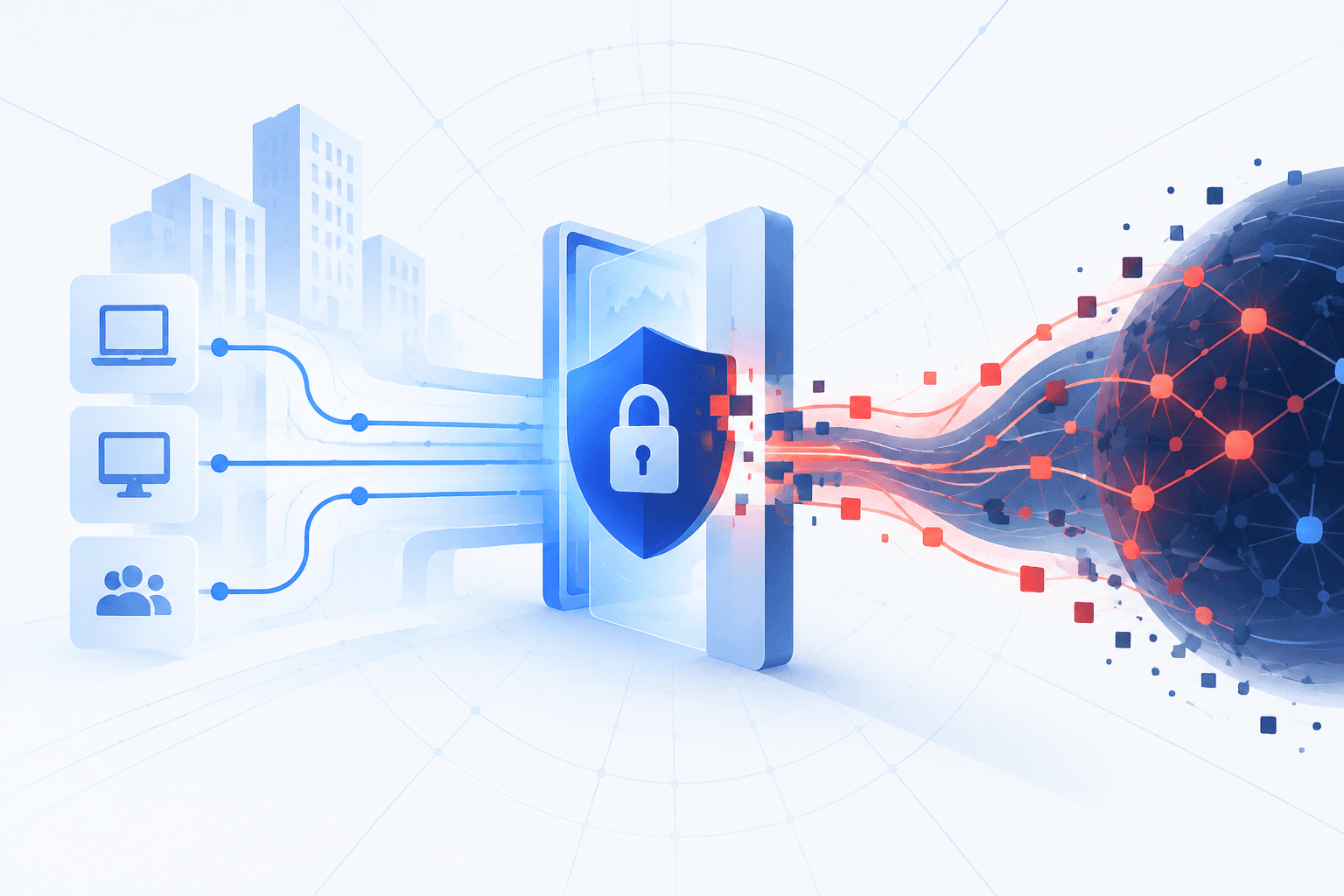
Akira ransomware operators are compromising SonicWall Gen 7 SSL VPN accounts protected by OTP-based MFA, using credentials—and potentially OTP seeds—harvested through the previously disclosed improper-access-control flaw `CVE-2024-40766`. SonicWall assessed the activity as exploitation of that known vulnerability rather than a new zero-day; some incidents were associated with legacy credentials retained during Gen 6-to-Gen 7 migrations. Intrusions have continued against patched appliances, including systems running SonicOS 7.3.0, because firmware updates do not invalidate previously stolen authentication material. After authenticating to VPN services, affiliates rapidly conduct network reconnaissance, escalate privileges, target backup infrastructure, deploy remote-management and tunneling tools, exfiltrate data, and encrypt systems—often within hours. Researchers observed security-control evasion, including bring-your-own-vulnerable-driver attacks to disable endpoint defenses, and attributed portions of the activity to the financially motivated cluster UNC6148. Organizations operating SonicWall SSL VPNs should update firmware, reset all SSL VPN and Active Directory credentials rather than relying on patching alone, remove legacy accounts and migration artifacts, and investigate anomalous VPN logins and rapid post-login reconnaissance.
Sep 26, 2026The Akira ransomware group is actively exploiting the year-old SonicWall vulnerability CVE-2024-40766, along with SSLVPN misconfigurations and exposed Virtual Office Portals, to gain unauthorized access and deploy ransomware. Despite patches being available since August 2024, many organizations failed to reset local user passwords or address configuration weaknesses, leaving them vulnerable. Security advisories from SonicWall, Rapid7, and the Australian Cyber Security Centre urge immediate patching, password resets, MFA enforcement, and network access restrictions to mitigate ongoing attacks.
Jun 29, 2026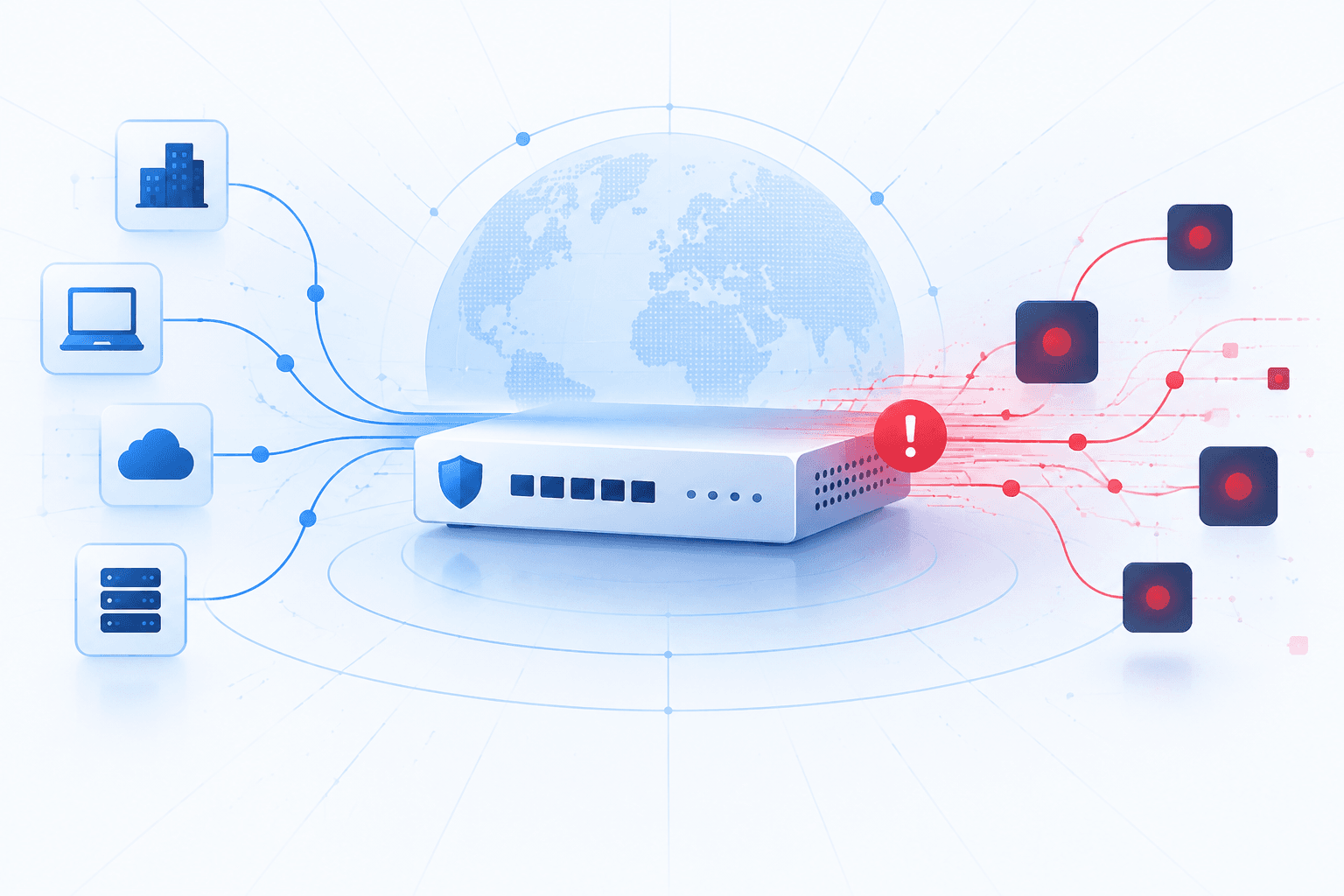
Akira ransomware activity continues to be linked to **CVE-2024-40766**, a critical improper access control vulnerability affecting SonicWall Gen5, Gen6, and Gen7 firewalls that was patched in August 2024. Rapid7 reported increasing exploitation, while ThreatDown’s MDR team associated recent incidents with the vulnerability without confirming exploitation in every case. Arctic Wolf previously reported increased Akira and Fog activity linked to SonicWall SSL VPN. Macnica’s historical research found that more than 100 of 218 organizations listed as Akira or Fog victims operated SonicWall devices—approximately 46%, compared with 5% or less among other ransomware groups’ victims—but characterized the exploitation evidence as circumstantial. The continuing risk includes both unpatched devices and compromised credentials retained after patching. SonicWall investigations found attacks against patched appliances involving credentials carried over from older, vulnerable configurations without password resets. An August 2026 search identified **213,896 publicly reachable SonicWall VPN and management interfaces**, but reachability alone does not establish vulnerability. Separately, Macnica estimated at least 48,933 exposed devices remained vulnerable in December 2024; that historical figure does not establish current exposure. Organizations should install the applicable SonicOS updates, reset local account passwords, remove inactive accounts, enforce SSL VPN multifactor authentication, limit privileges, and restrict and monitor management and Virtual Office Portal access. Patching alone may not address access enabled by previously compromised credentials.
Oct 9, 2026