
Loading story…
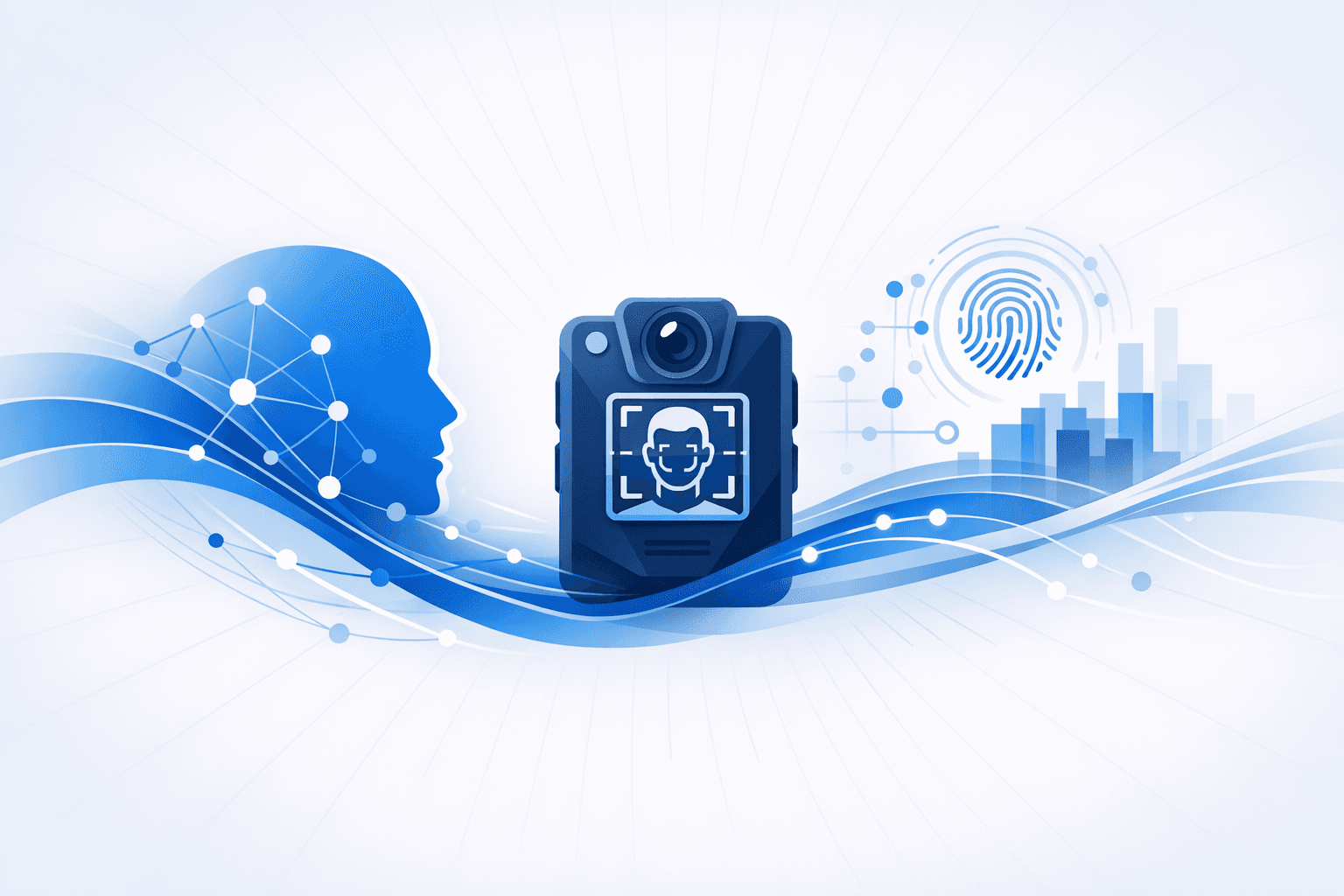
The Edmonton Police Service in Canada has begun a trial of facial recognition-enabled body cameras, utilizing technology from US-based Axon. Up to 50 officers are participating in the pilot, with the cameras only activated during active investigations or enforcement. When in use, the cameras capture images within a four-foot radius and send them to a cloud service for comparison against a database of 6,341 flagged individuals. Images not matching the list are deleted, and the database remains under police control, with Axon not having access. This marks a significant shift for Axon, which previously refrained from commercializing facial recognition on bodycams due to ethical and technical concerns. The move has sparked debate, with experts warning that the technology could shift bodycams from tools of accountability to instruments of mass surveillance.
The trial comes after previous controversy involving Axon's ethics board, which saw resignations over the company's pursuit of other surveillance technologies. The deployment of facial recognition in Edmonton is being closely watched for its privacy implications and the potential for broader adoption in law enforcement. Civil liberties advocates and academics have raised concerns about the balance between public safety and individual privacy, emphasizing the need for transparency and oversight in the use of such technologies.
See the reporting duties and controls this puts on the clock.
3 events from the most recent confirmed update back to the earliest known activity.
After the trial, the Edmonton Police Service said it will review the results and decide in 2026 whether to expand use of the facial-recognition-enabled body cameras.
The Edmonton Police Service began piloting Axon body cameras with facial recognition, with up to 50 officers participating. During investigations or enforcement, the cameras capture faces within about four feet and compare them against a police watchlist of 6,341 flagged individuals, deleting non-matches.
In 2019, Axon said facial recognition was not reliable enough for body cameras and raised serious ethical concerns, declining to commercialize the capability at that time.
Vulnerabilities, threat actors, malware, products, organizations, and breaches Mallory has linked to this story.
See what this changes for your reporting obligations and which controls it puts on the clock.
2 references tracked. Mallory keeps watching after this page renders.
Map indicators from this story to your assets and identify affected systems in minutes.
Every observed campaign, victim, and pivot linked to actors named in this story.
Malware, exploits, and IOCs connected to the activity described here.
YARA, Sigma, and Snort rules deployed to your SIEM as soon as they’re published.
Get matching new stories delivered to your team as they break — not the next morning.
Ask questions about this story and take action on the answers.
Other stories Mallory is tracking that overlap on entities, sources, or topic labels.

Immigration and Customs Enforcement (ICE) and Customs and Border Protection (CBP) officers have been documented using facial recognition technology on US streets to verify citizenship, raising concerns among lawmakers and civil rights advocates. Social media videos show officers using an app, possibly Mobile Fortify, to scan individuals' faces and match them against a database of 200 million images, returning personal information such as name, date of birth, and deportation status. Lawmakers and advocacy groups have criticized these practices, citing the potential for racial profiling and the inaccuracy of biometric technologies, particularly for communities of color. Separately, the New York Police Department (NYPD) faces a federal civil rights lawsuit over its Domain Awareness System (DAS), a centralized surveillance platform that integrates video cameras, biometric tools, license plate readers, and other data sources to monitor and profile residents. The lawsuit, filed by the Surveillance Technology Oversight Project (STOP), alleges that DAS violates constitutional rights by enabling pervasive surveillance and data aggregation. Both cases highlight growing public and legal scrutiny of law enforcement's expanding use of advanced surveillance and biometric technologies in the United States.
Jul 12, 2026
British Transport Police have begun deploying **live facial recognition** in the London Underground, starting at Victoria station and planning to rotate the technology across other Underground and Network Rail stations through November 2026. The system scans faces in real time and compares them against a police watchlist using NEC’s **NeoFace M40** algorithm, with officers required to review any match before action is taken. The move extends a trial launched earlier at London Bridge and aligns with broader facial recognition expansion across London policing. The rollout has drawn scrutiny from civil liberties advocates over accuracy, oversight, and data handling. Critics have pointed to previous wrongful detentions and concerns that false positives may disproportionately affect ethnic minorities, while questions remain over public transparency and how long images are retained. The deployment marks a significant increase in biometric surveillance across one of the UK’s busiest public transport networks.
Aug 16, 2026
The UK government has announced plans to significantly expand the use of facial recognition and related biometric technologies by law enforcement, launching a public consultation to establish a dedicated legal framework for their deployment. The Home Office argues that the current legal landscape is insufficient for national-scale use and seeks to align facial recognition with other biometric tools such as fingerprints and DNA evidence. The consultation aims to gather public input on regulation and privacy safeguards, with officials emphasizing the technology's role in tackling serious crime and citing statistics of over 1,300 arrests linked to facial recognition in recent years. Despite mounting controversy and civil liberties concerns, including fears of turning public spaces into biometric dragnets, the government is pressing ahead with increased funding and operational deployments. The Home Office spent £12.6 million last year and has allocated an additional £6.6 million for further rollout and development of a national facial-matching service. Public opinion appears divided, with surveys indicating majority support for the technology if robust protections are implemented, while advocacy groups continue to raise issues around oversight, transparency, and potential bias.
Jun 29, 2026